British history books for children: the Victorians
This post is part of a series of recommendations for children’s books on different eras of British history. You can read the overview post here. These book suggestions are for Britain from the succession of Queen Victoria in 1837 until her death in 1901.
- General Victorian non-fiction resources
- Historic fiction set in Victorian times
- Biographies of famous Victorians
- The Industrial Revolution
This post contains affiliate links. As an Amazon Associate, I earn from qualifying purchases.
General Victorian non-fiction resources
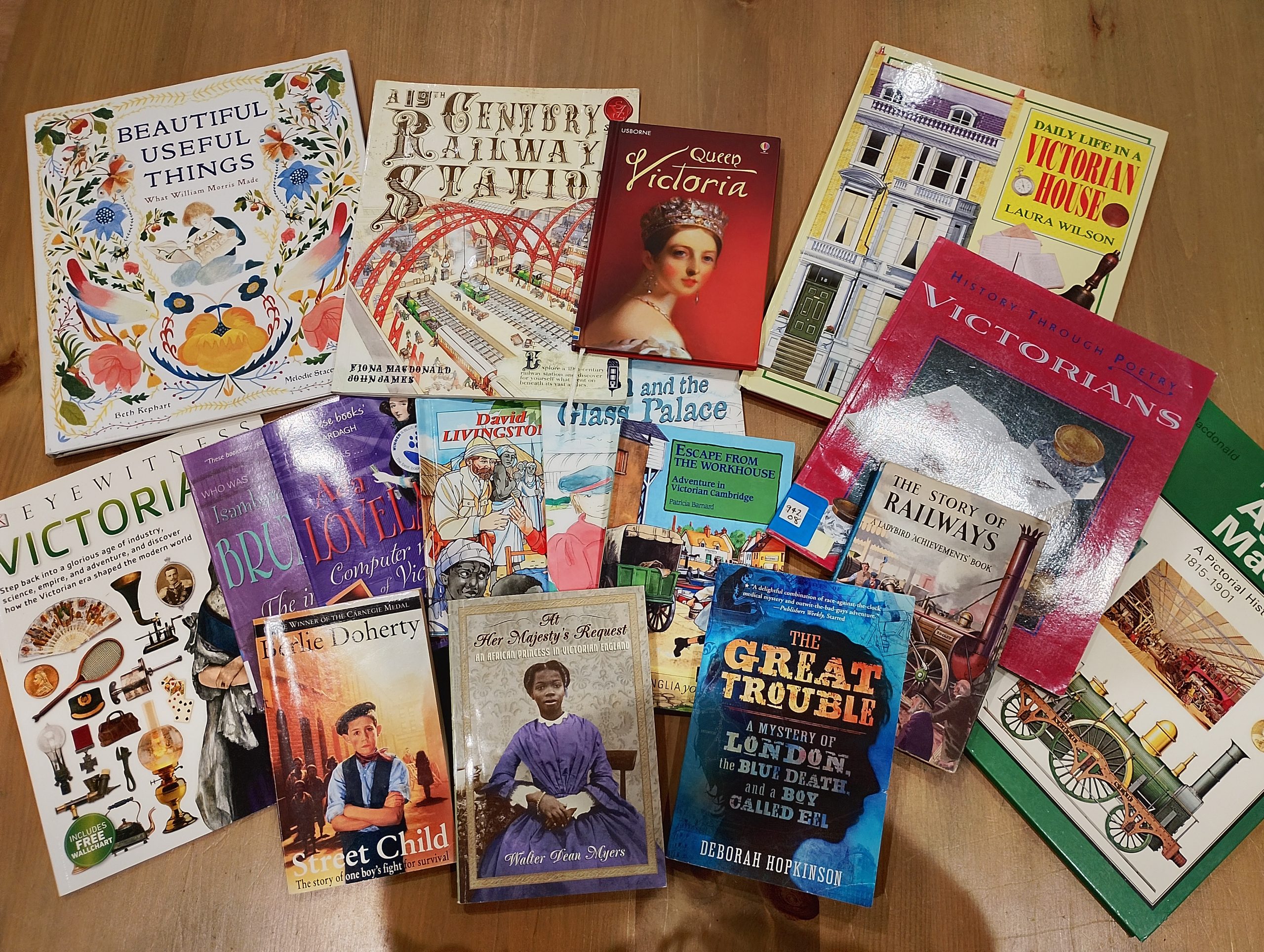
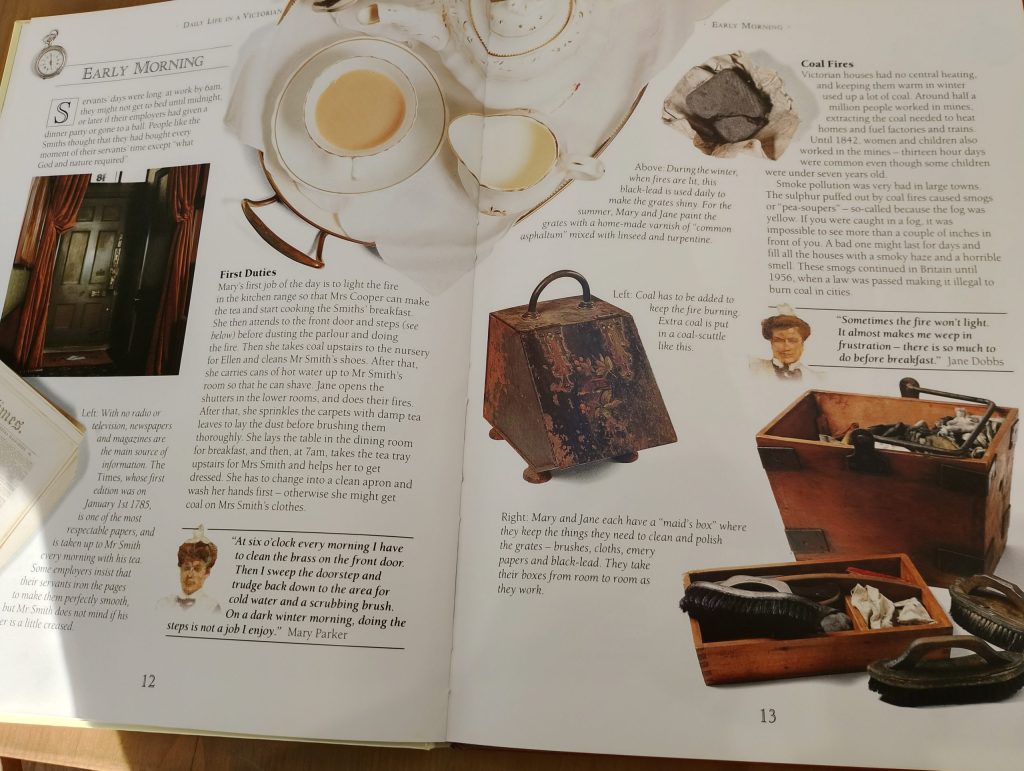
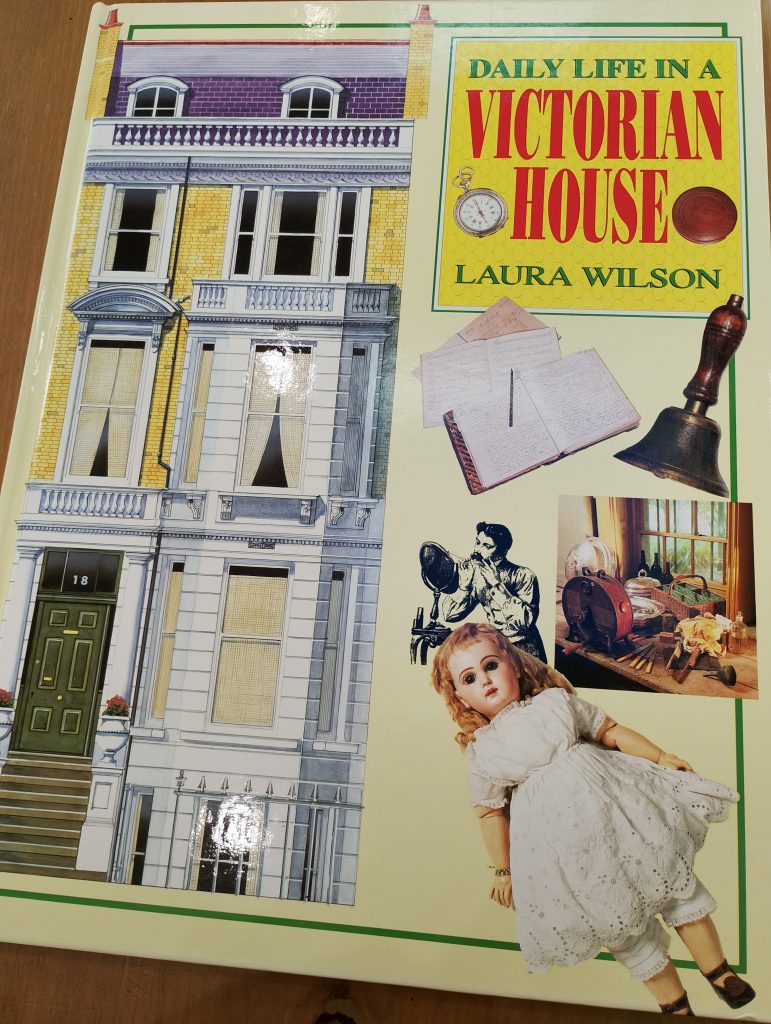
Daily Life in a Victorian House
Laura Wilson
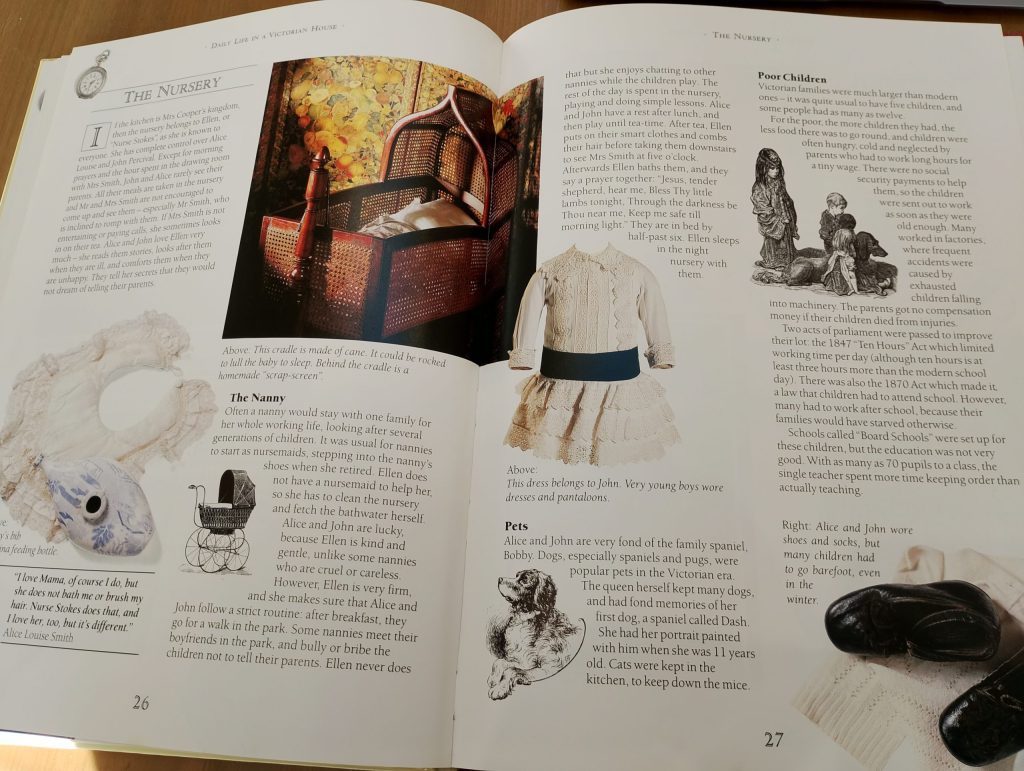
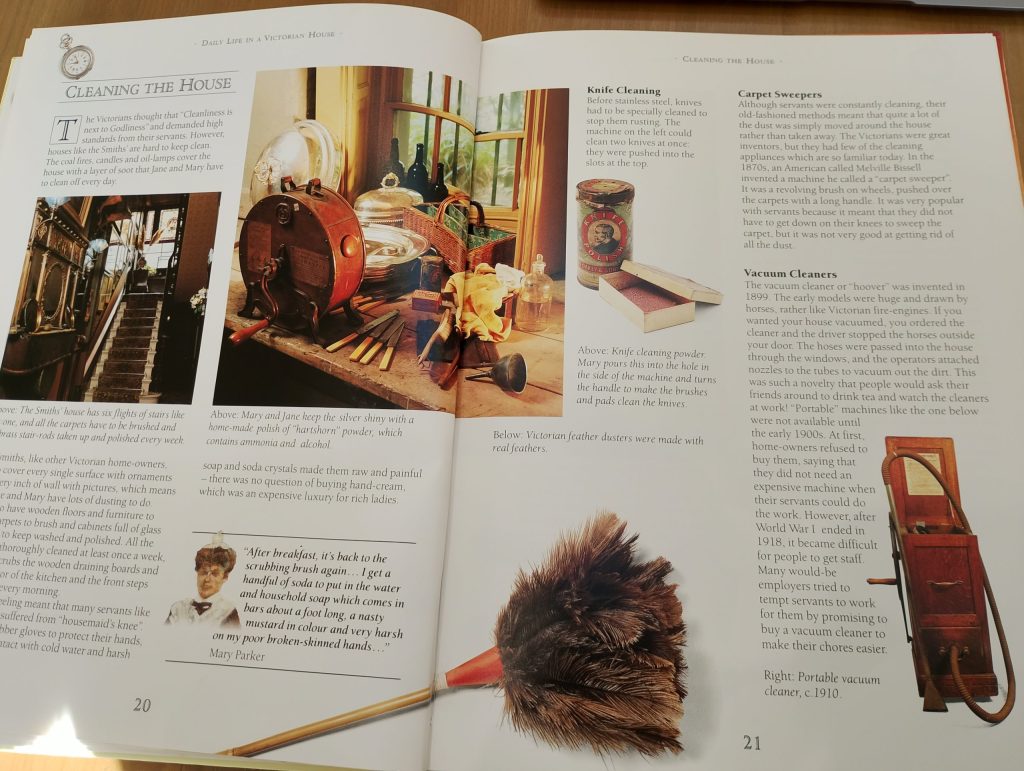
I love social history, so I really enjoyed Daily life in a Victoiran House. The book is based on the lives of an imaginary upper-middle class Victorian family, including the children and the servants. The layout of the house is described, as is the daily life of different members of the family. There are lots of photographs of Victorian artefacts throughout the book. Although the focus of this book is on the life of a wealthier family, there are also side-boxes describing what life was like for those who were less fortunate, and there is plenty of information on domestic service, which was a big feature of life in Victorian Britain.
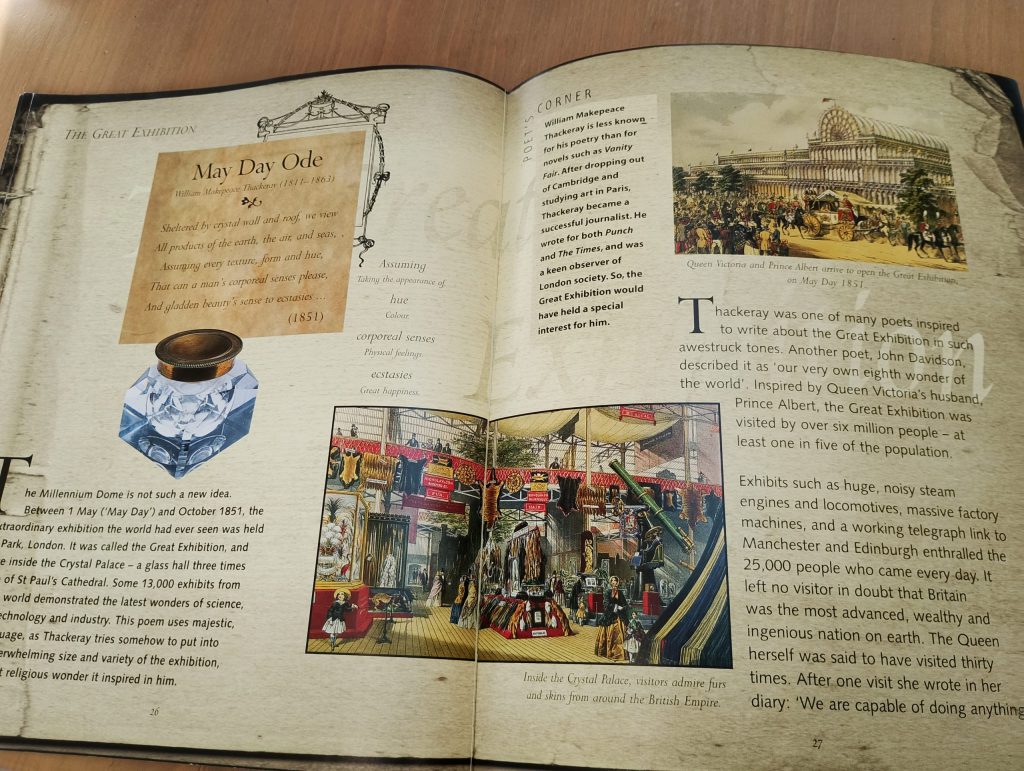
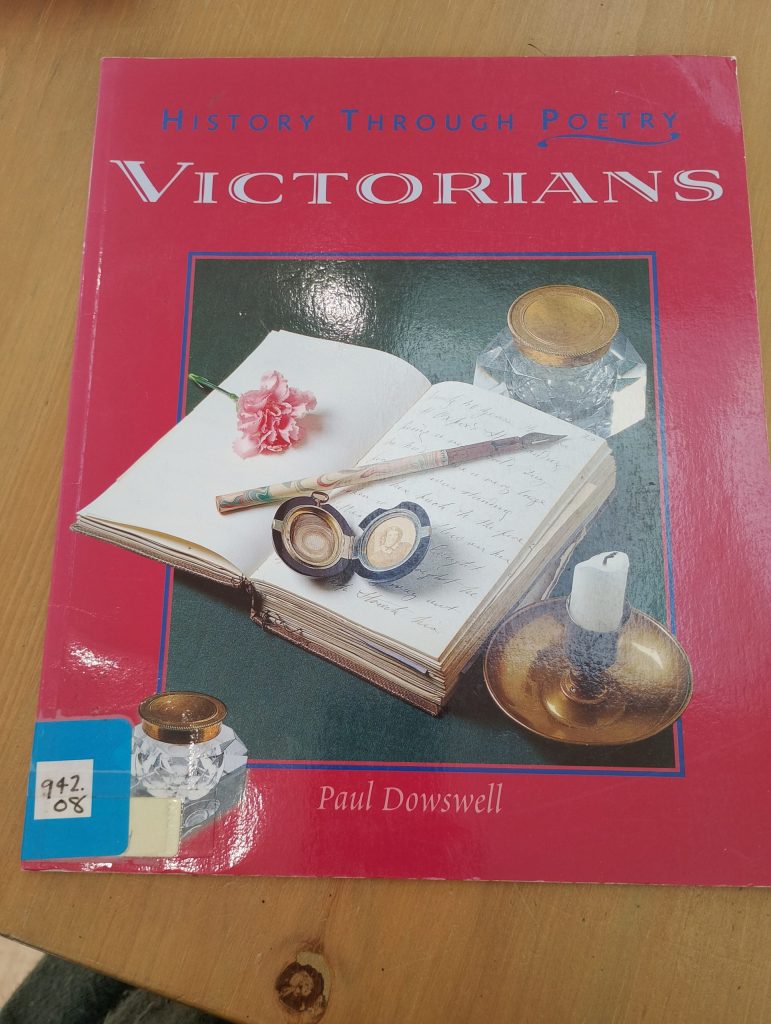
History through Poetry: Victorians
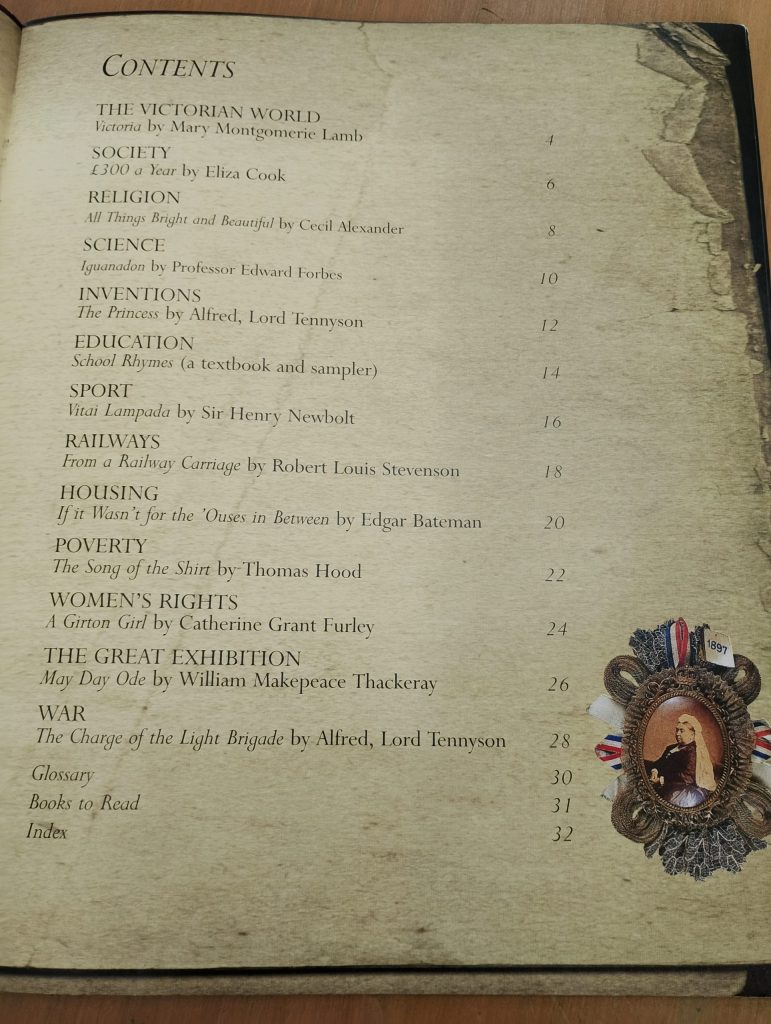
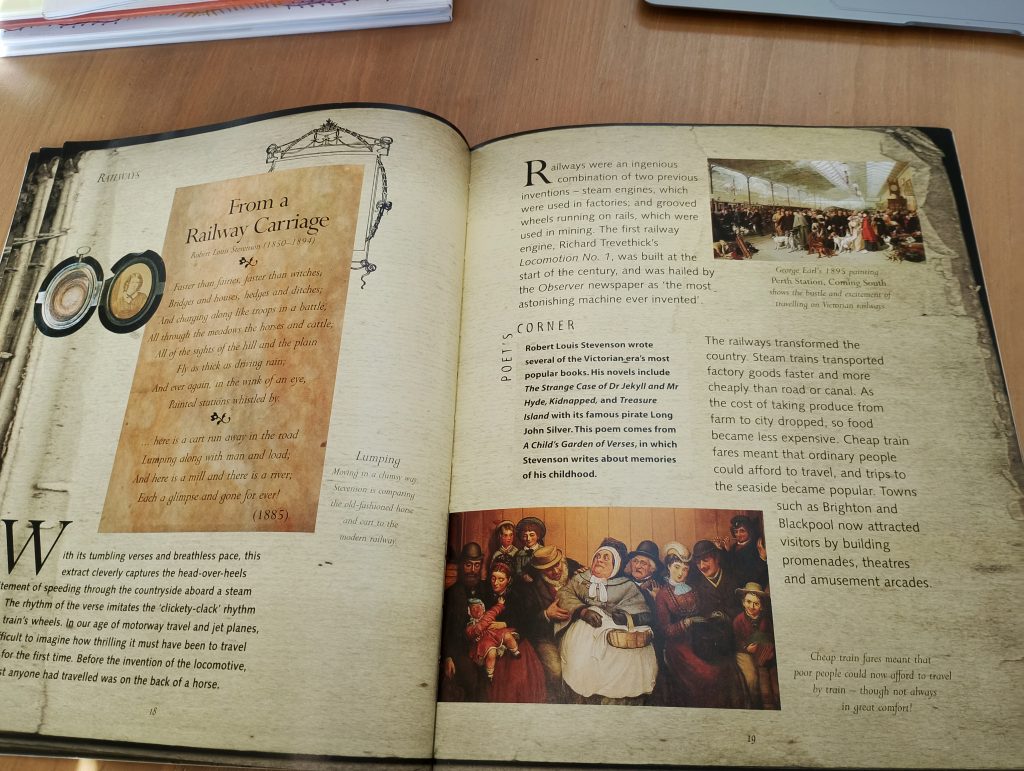
Paul Dowswell
Each double-page spread includes a poem from the time on a particular theme (e.g. railways, the Great Exhibition, Queen Victoria), and then some historic detail and pictures on that theme. I really like this series of books, and found it a good ‘top up’ to other things we were reading, something to dip into.
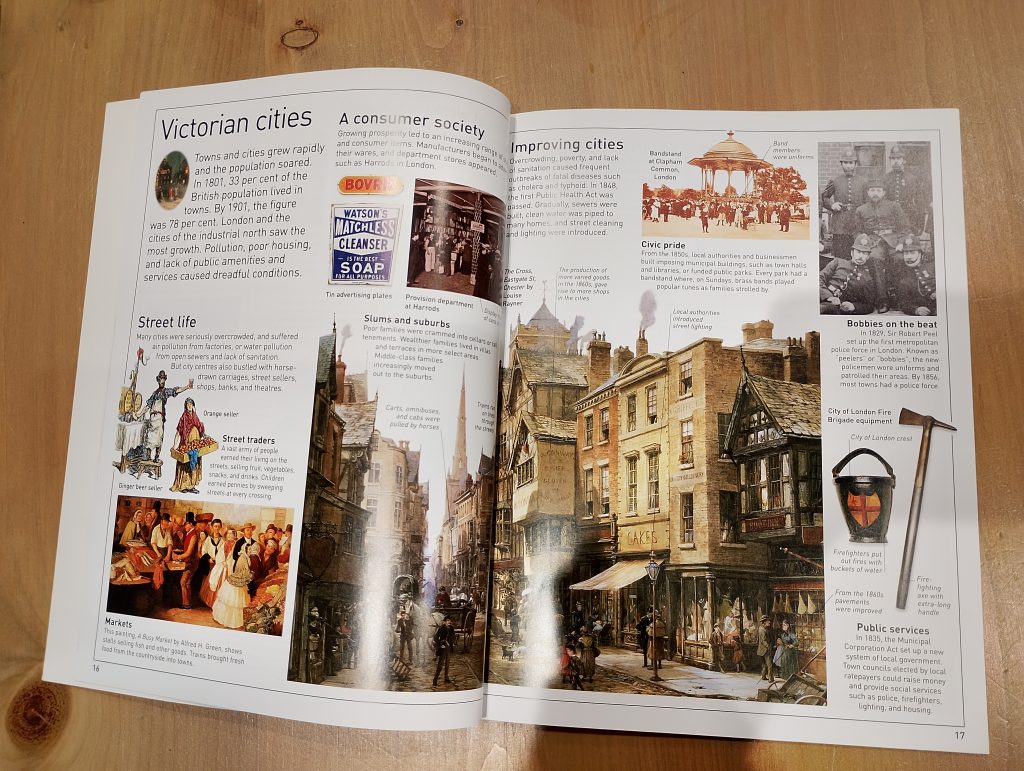
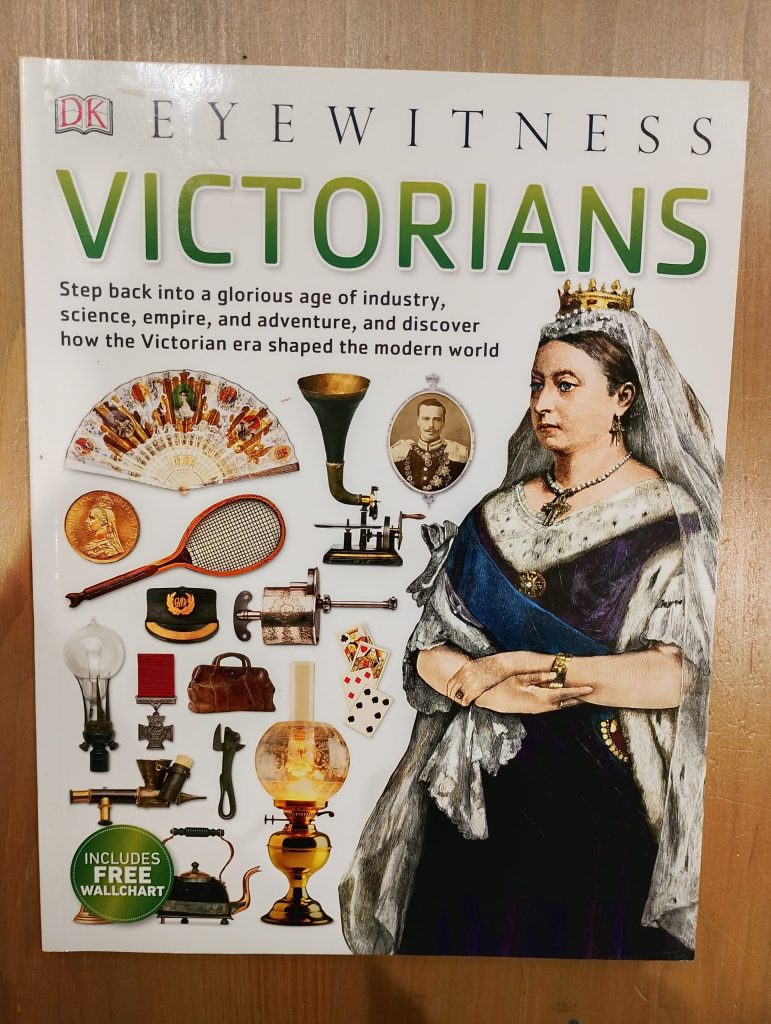
Victorians (DK Eyewitness)
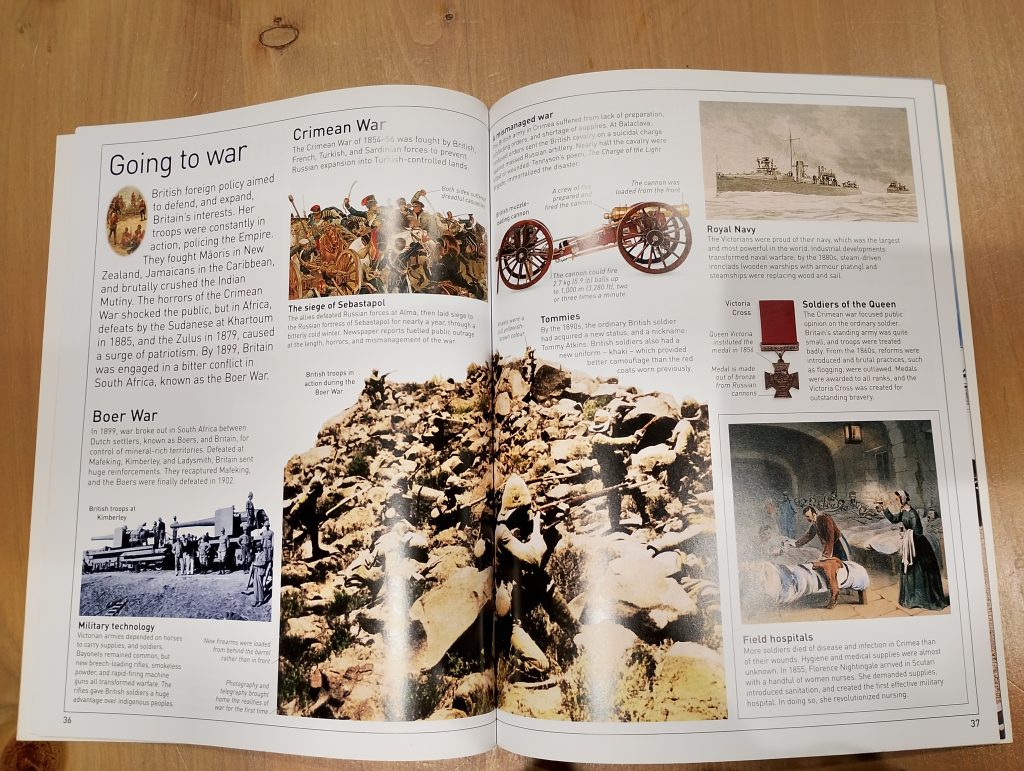
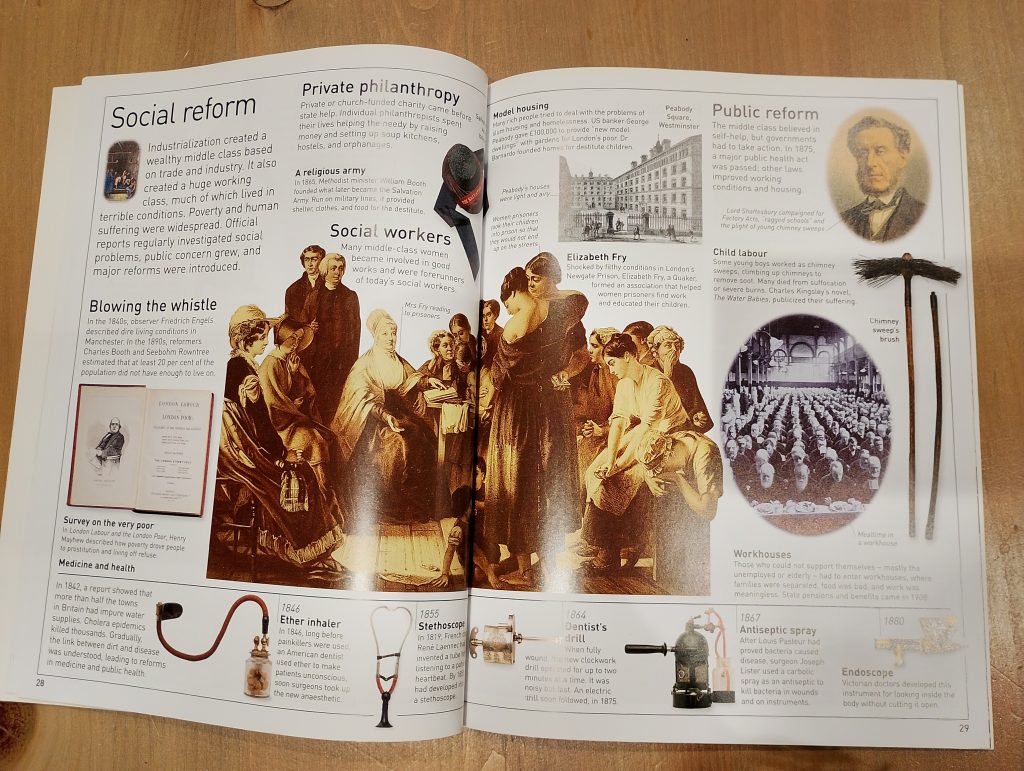
Ann Kramer
A good basic overview from the Eyewitness series, with lots of accompanying photographs. I do have a slight concern that these books can be rather ‘bitty’ with so many small blocks of text, but I did enjoy them when I was a child.
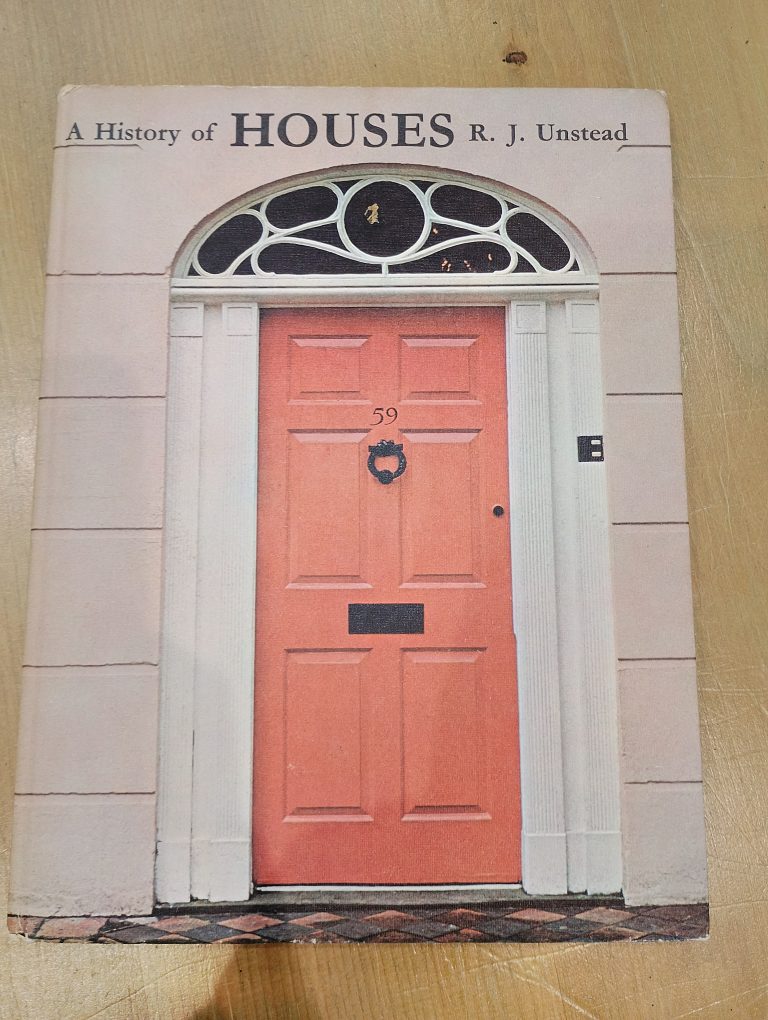
The Age of Machines: A Pictorial History 1815-1901
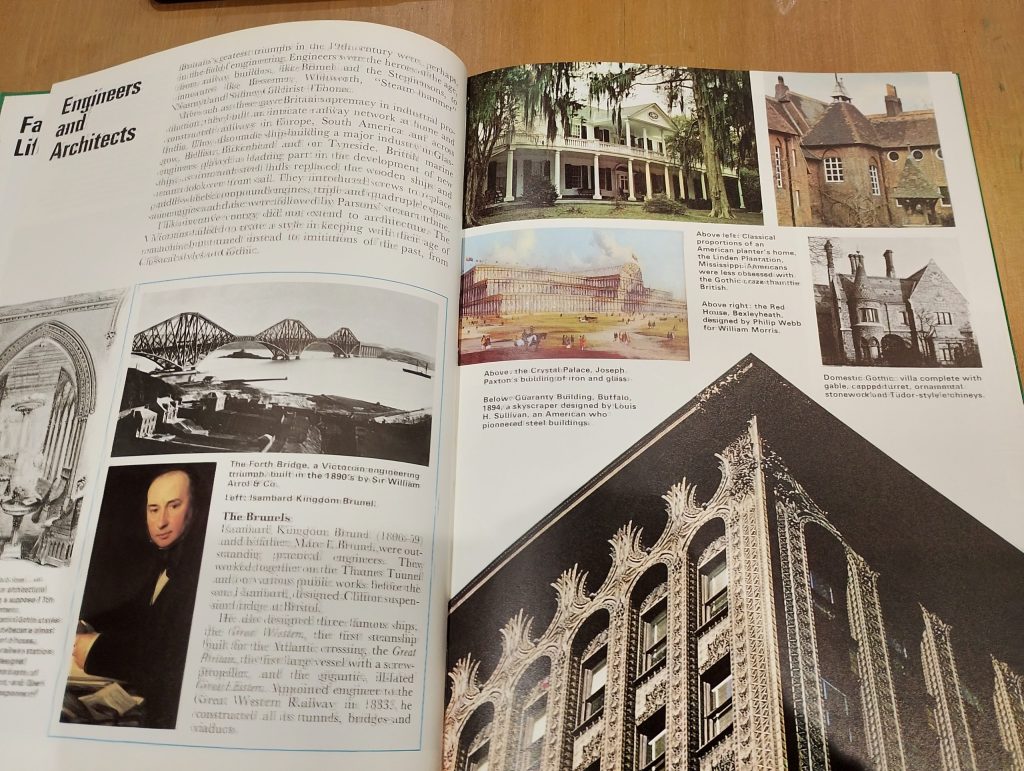
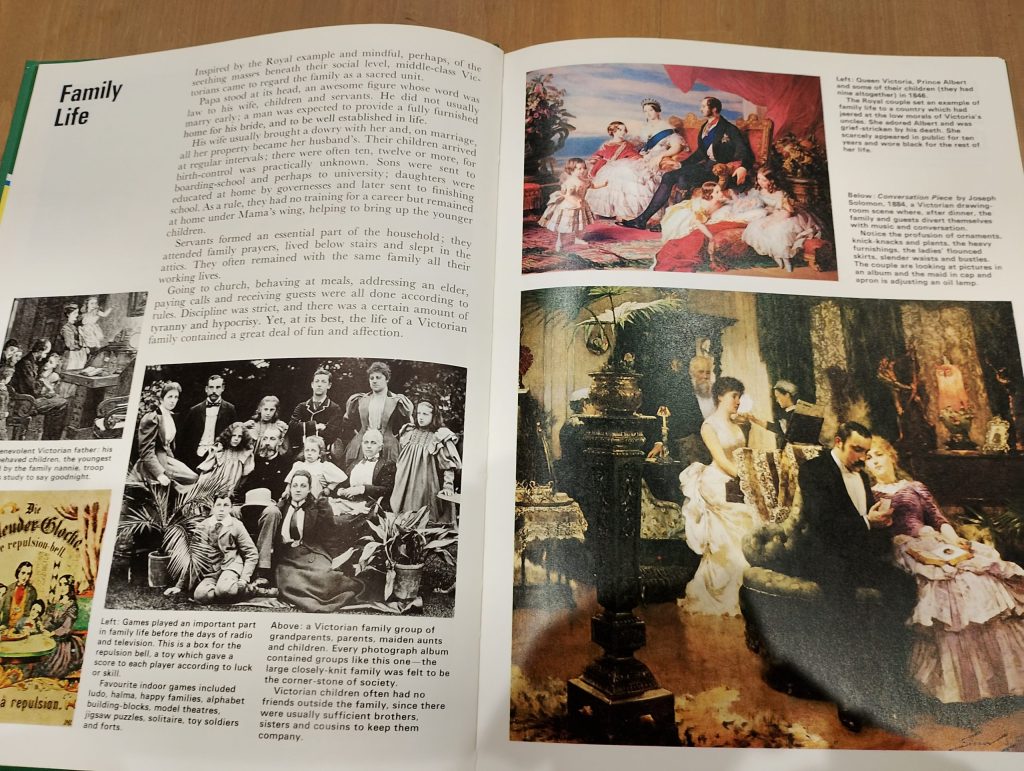
R.J. Unstead
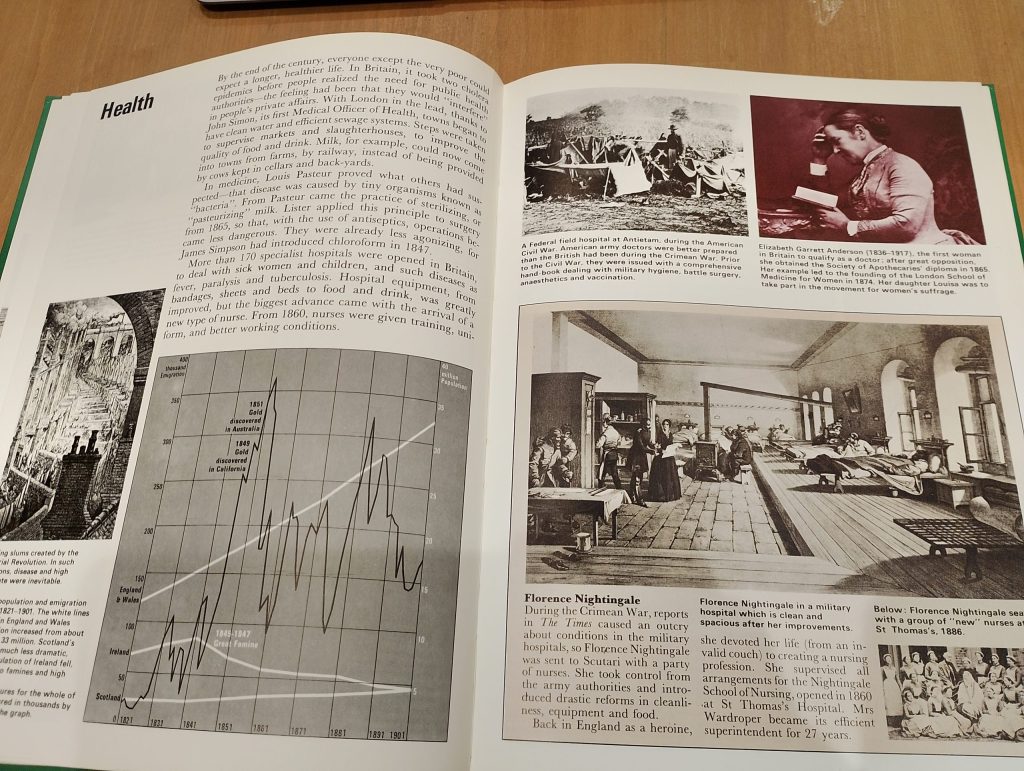
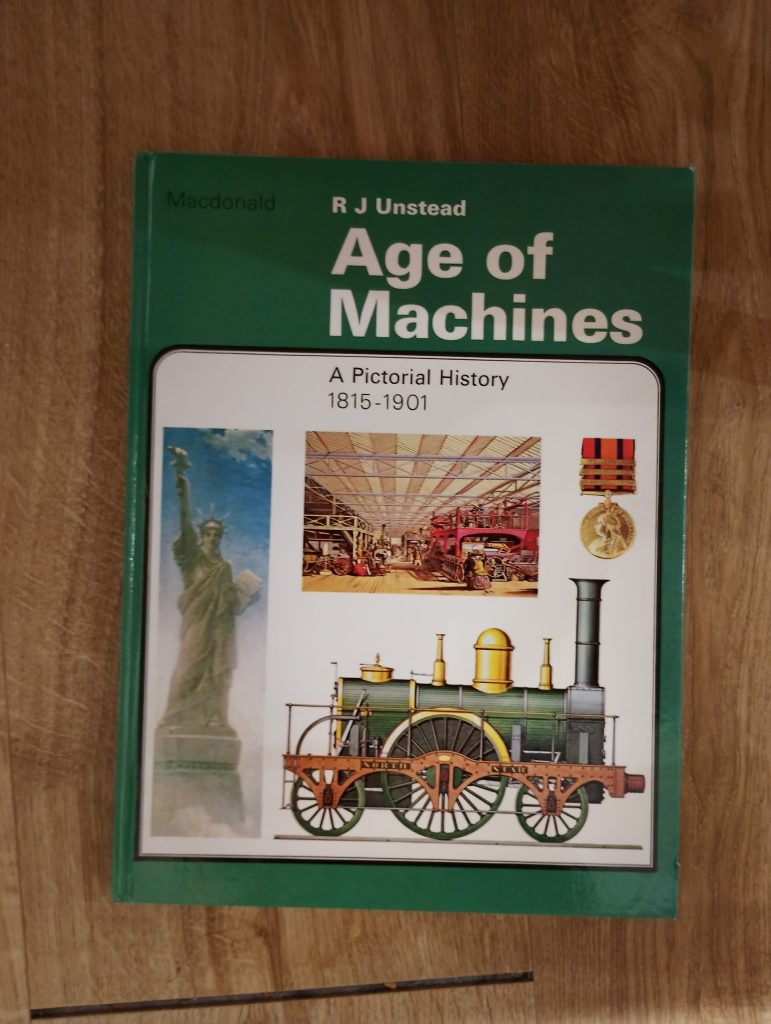
This volume of R.J. Unstead’s Pictorial Histories covers themes such as industrialisation, emigration to Australia, the development of the police, the scramble for Africa. I found that we used this book less than the earlier ones, possibly because a good chunk of the book is devoted to 19th Century American history rather than British history.
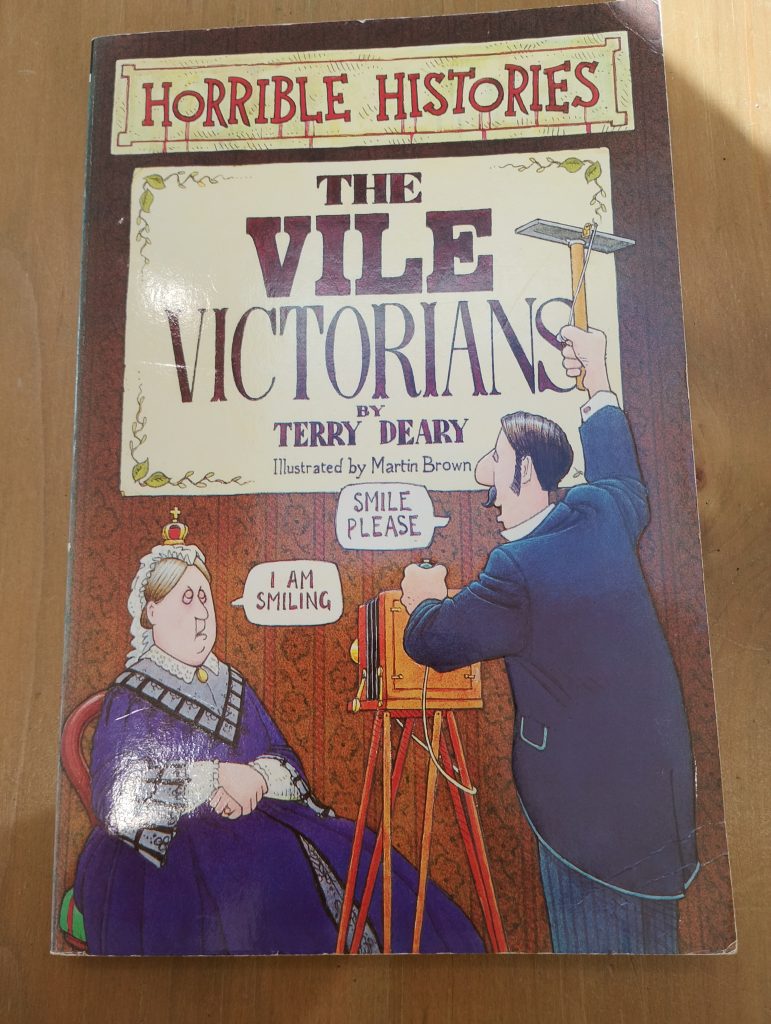
The Vile Victorians (Horrible Histories)
Terry Deary
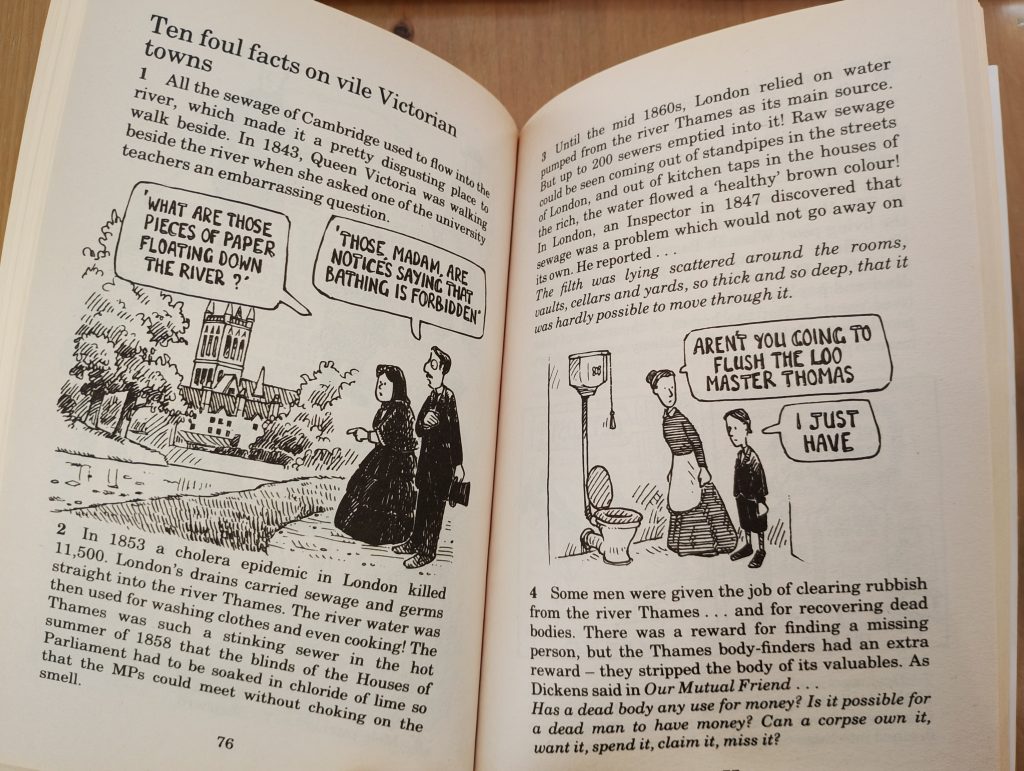
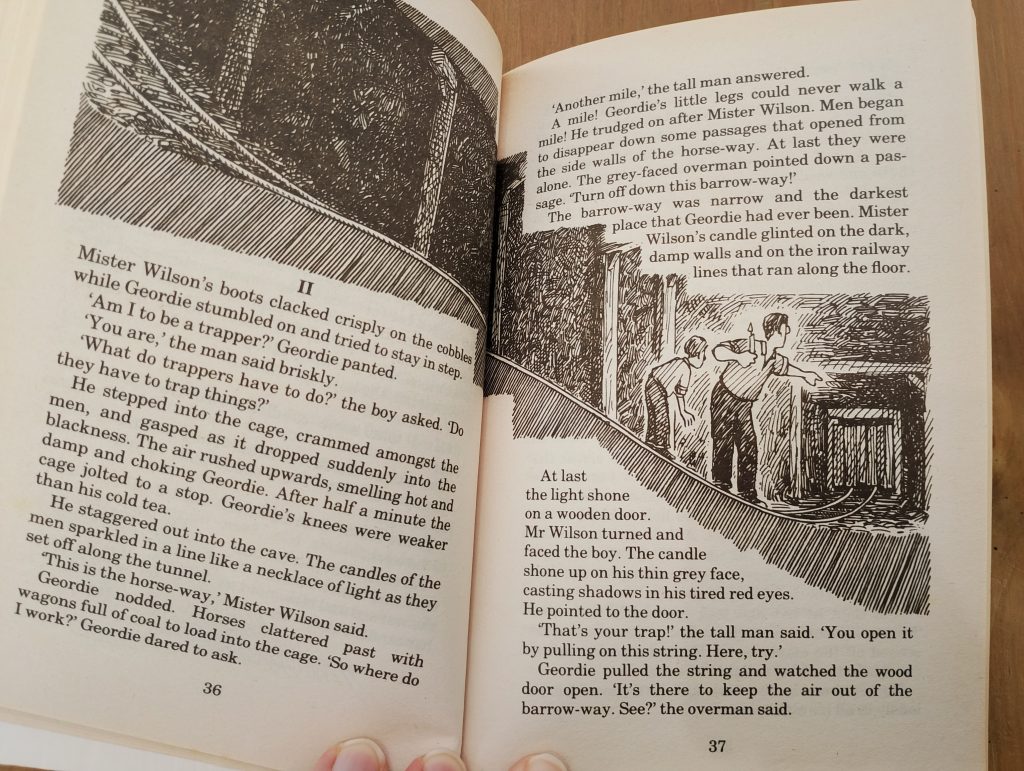
Many people will already be familiar with the Horrible Histories series, which serves up the history of a particular era with a dose of comedy on the side. They are not to everyone’s taste, but there is often a wealth of good historical content included. I still remember some of the anecdotes in this book from my own childhood, including the story of the child in the mine.
Historic fiction set in Victorian times
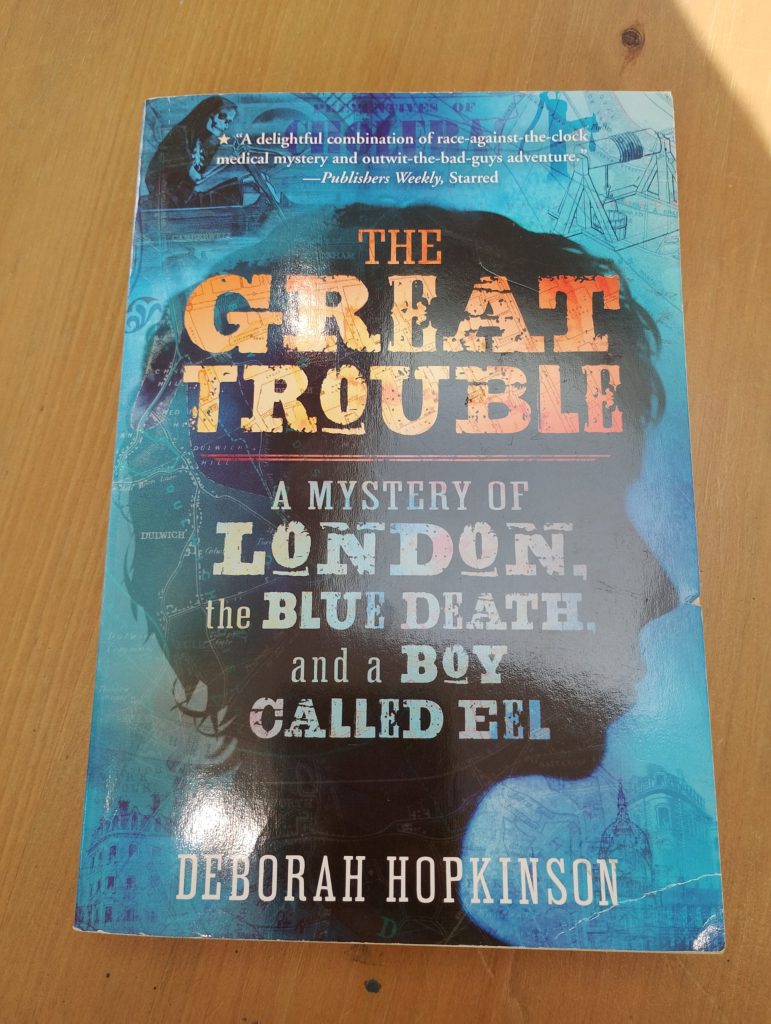
The Great Trouble: A Mystery of London, the Blue Death, and a Boy called Eeel
Deborah Hopkinson
My children have really enjoyed Deborah Hopkinson’s books, and this one is no exception. The book is historic fiction set in London in 1854, during a cholera epidemic. The children in the story help Dr John Snow to prove where the epidemic is coming from. At this time, most people thought that the disease was spread by miasma or ‘bad air’. By tracing the cases, Dr Snow was able to show that the infection was spreading from the Broad Street Well.
One for older children to read themselves, or it could be a read aloud. Bear in mind that there are many cholera-related deaths!
(An interesting side note is that Dr Snow administered chloroform to Queen Victoria during the births of her last two children. The Queen was one of the earliest advocates of anaesthesia during childbirth).
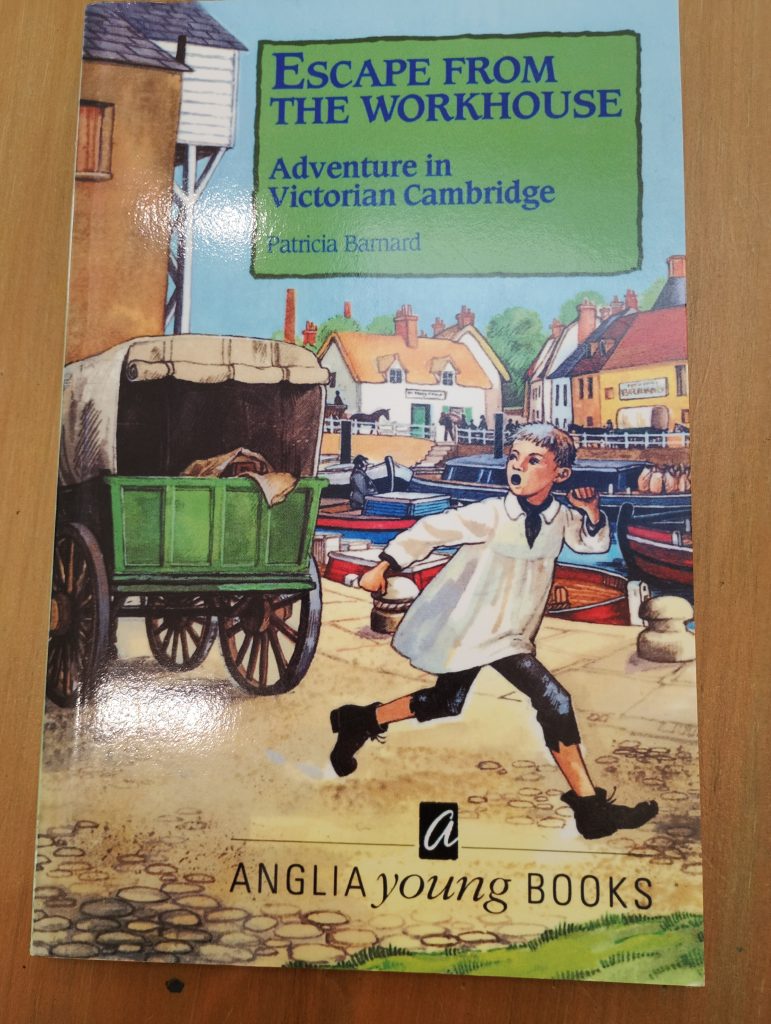
Escape from the Workhouse: Adventure in Victorian Cambridge
Patricia Barnard
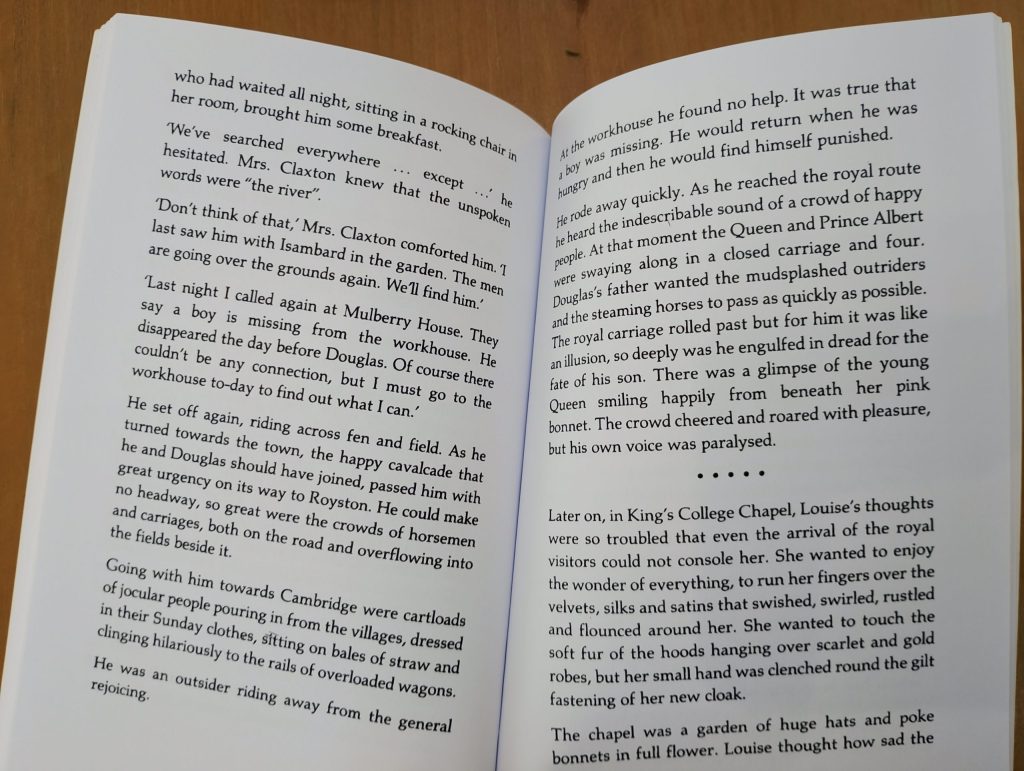
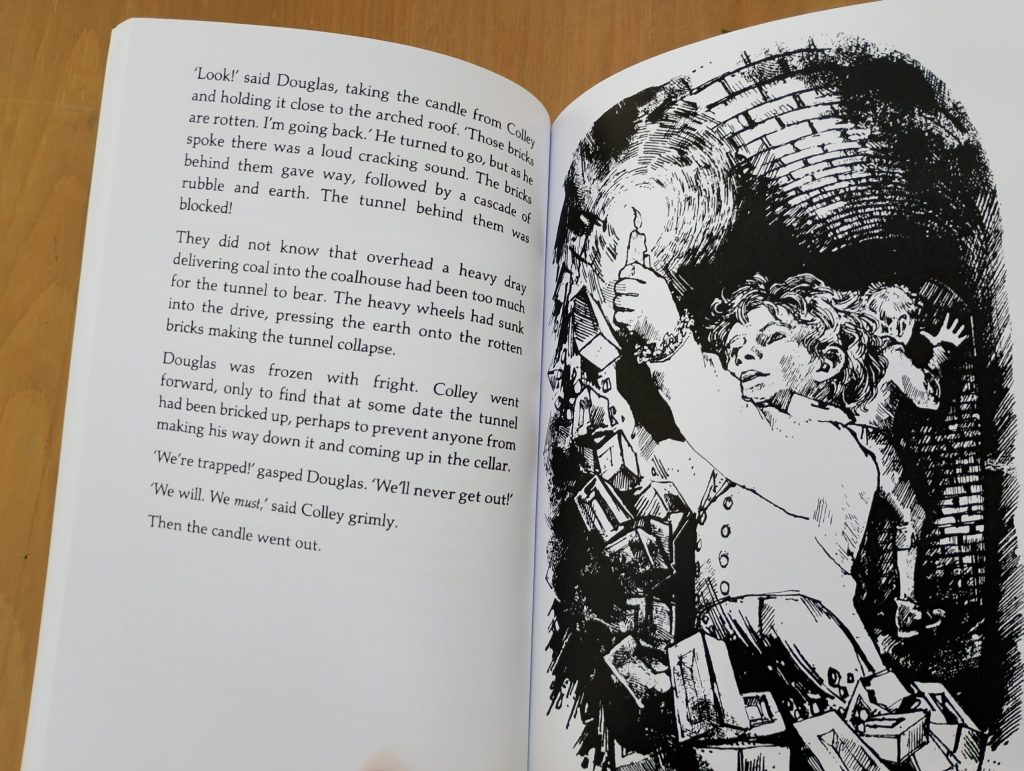
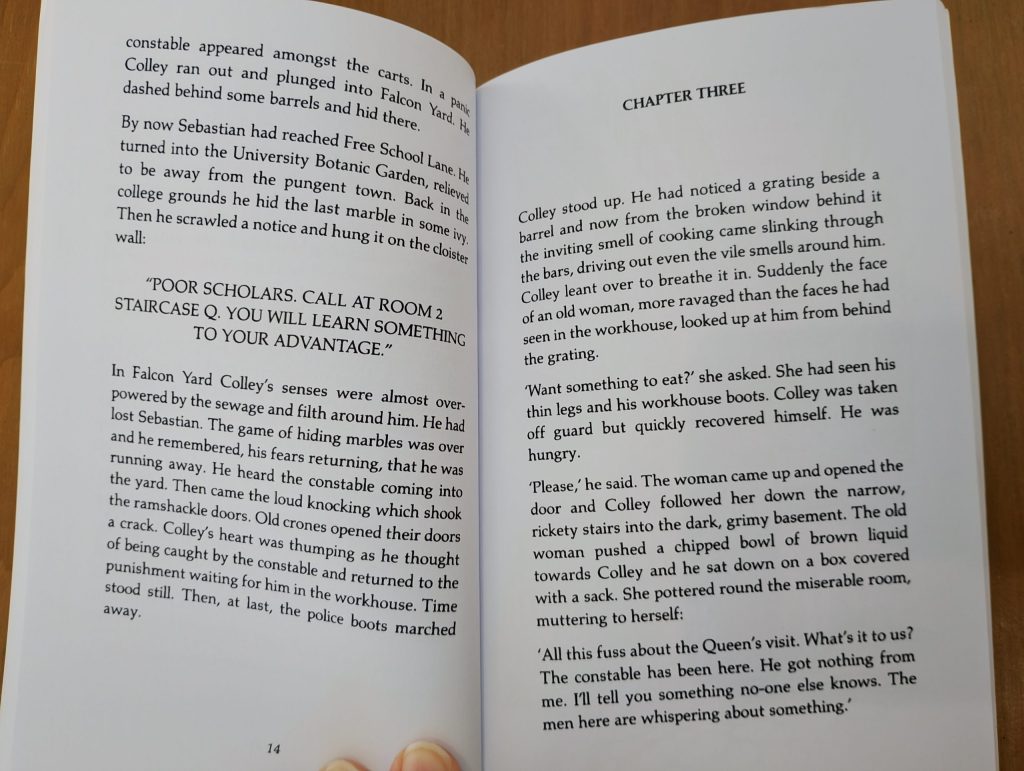
I really wanted to find some children’s resources about life in the workhouse. This book begins in the workhouse, but most of the action takes place after Colley escapes, so it is less of a focus point than I had hoped. Nonetheless, this short book is an enjoyable and fast-paced tale of life in Victorian Cambridge.
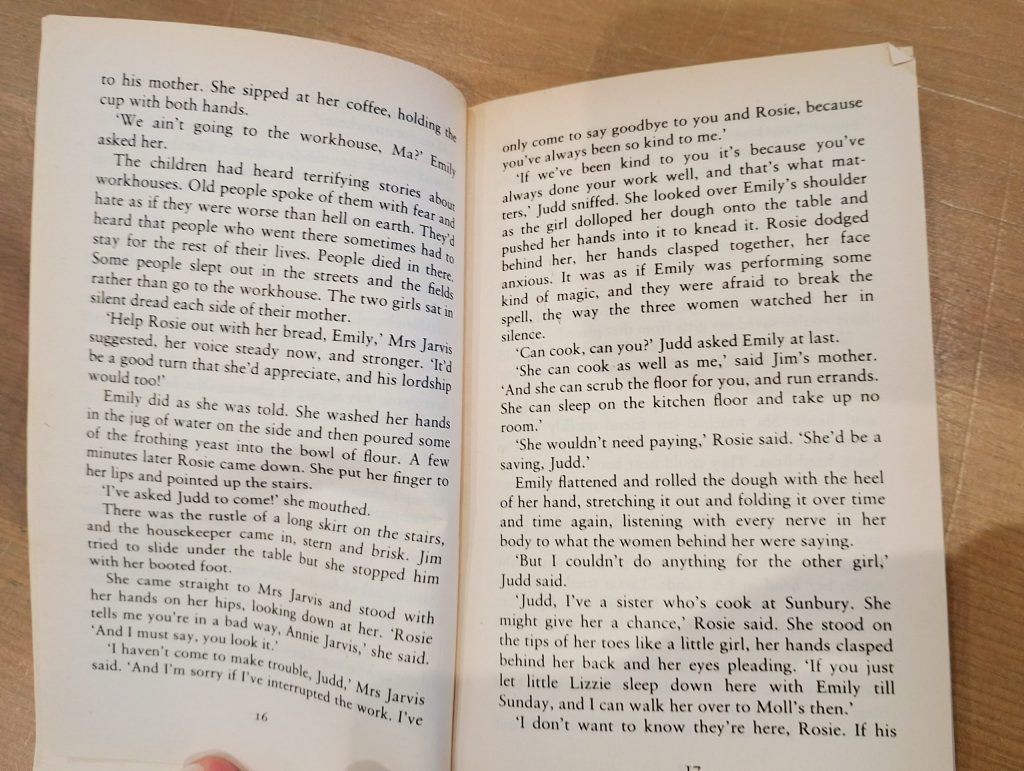
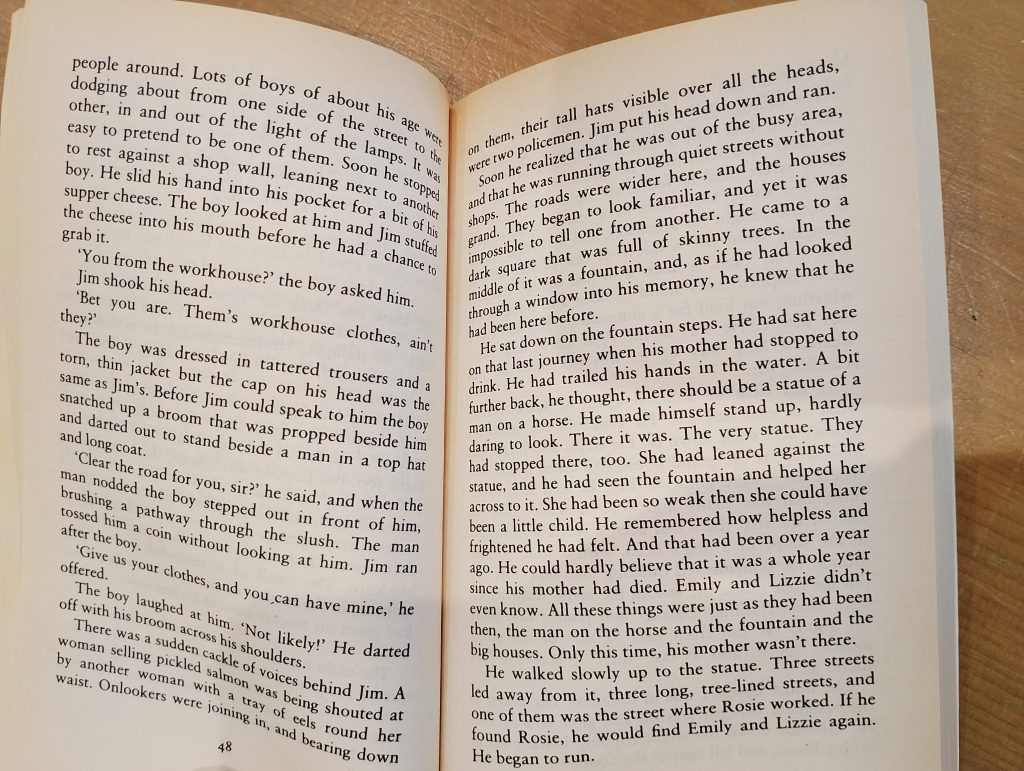
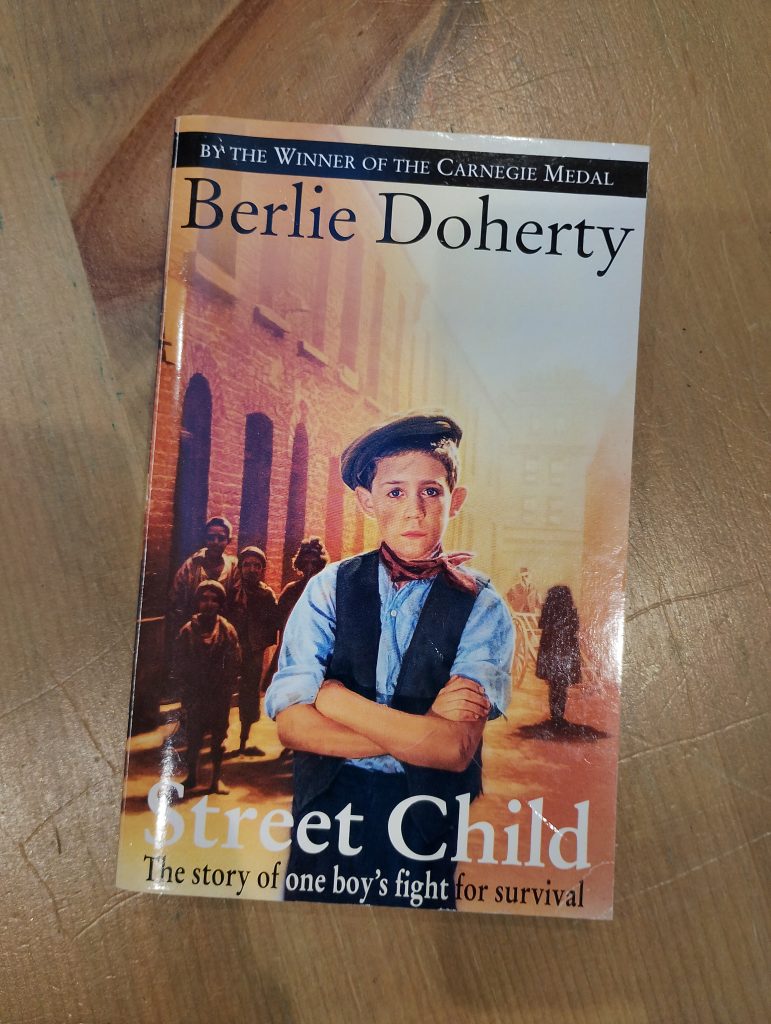
Street Child
Berlie Doherty
A very famous book, about an orphan in Victorian London. It was inspired by the true story of Jim Jarvis, an orphan who inspired Dr Barnardo to set up his first children’s home.
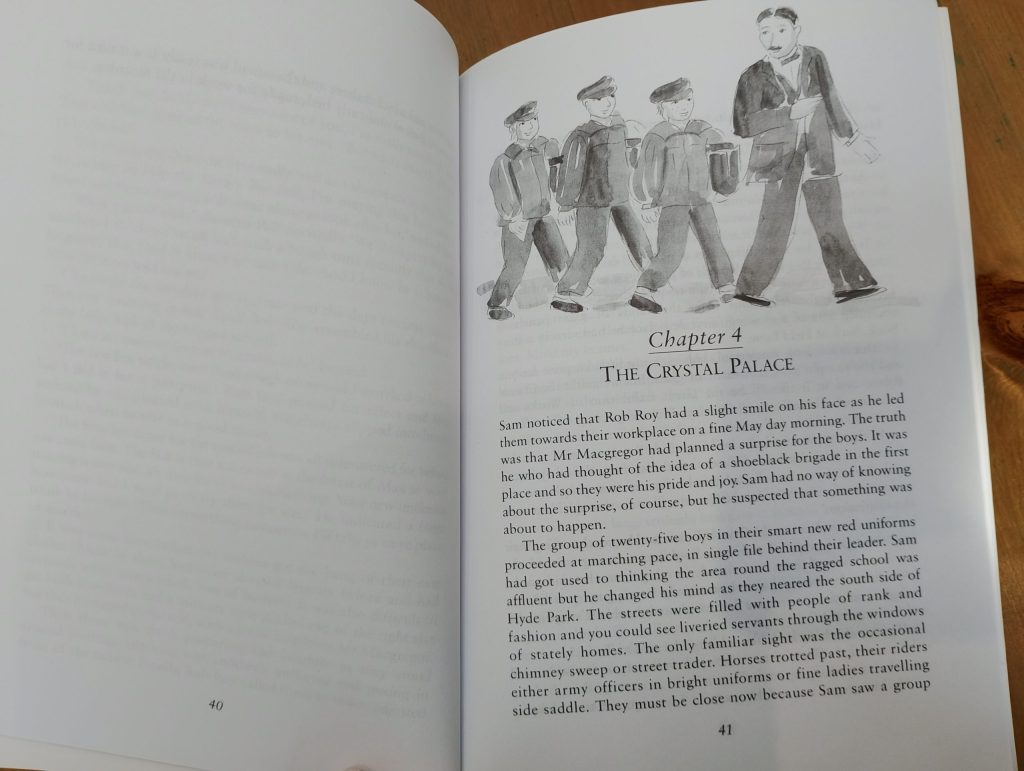
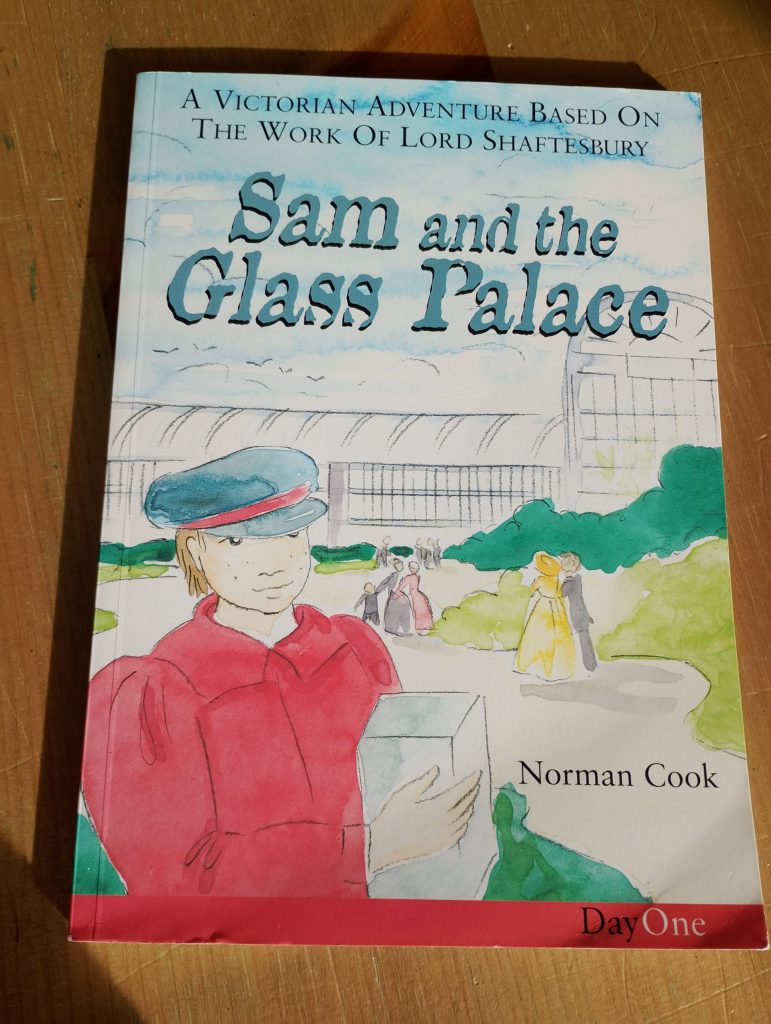
Sam and the Glass Palace
Norman Cook
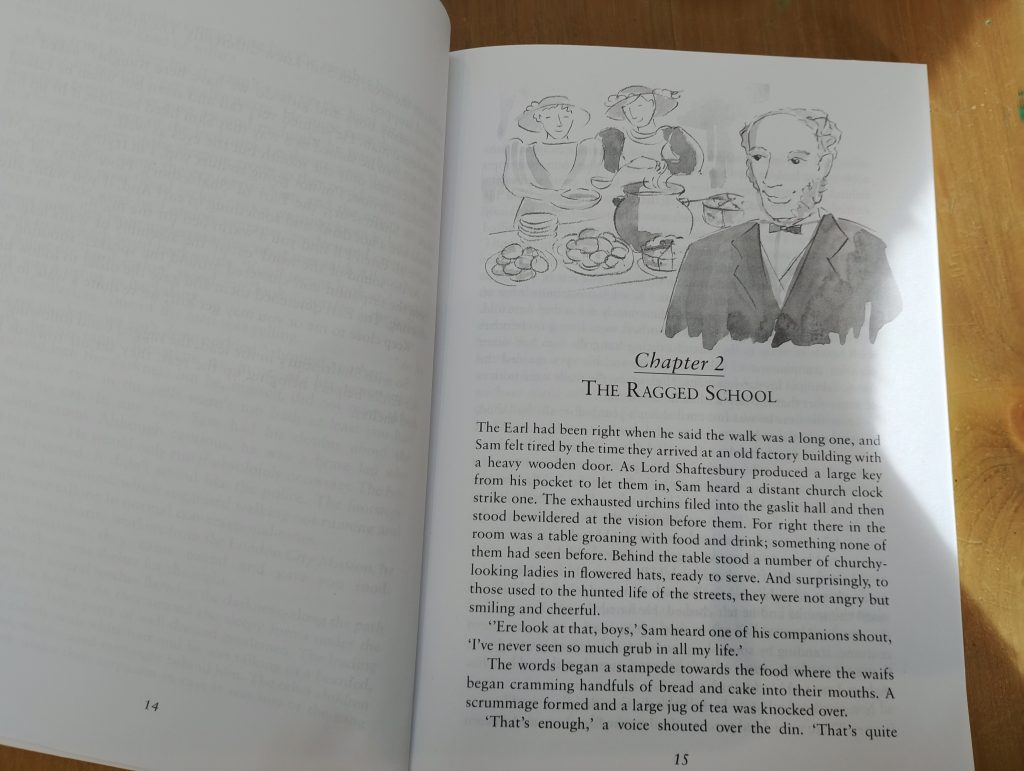
This is a Christian historic fiction book, about the life of a poor orphan in Victorian London. The title suggests that it would be all about the Great Exhibition, and whilst this does come up, the book is actually more about the work of Lord Shaftesbury the reformer. There are a few black and white illustrations, and it is not a long book, so it will be suitable for many children to read themselves.
Biographies of famous Victorians
Queen Victoria (Usborne Young Reading 3)
Susanna Davidson
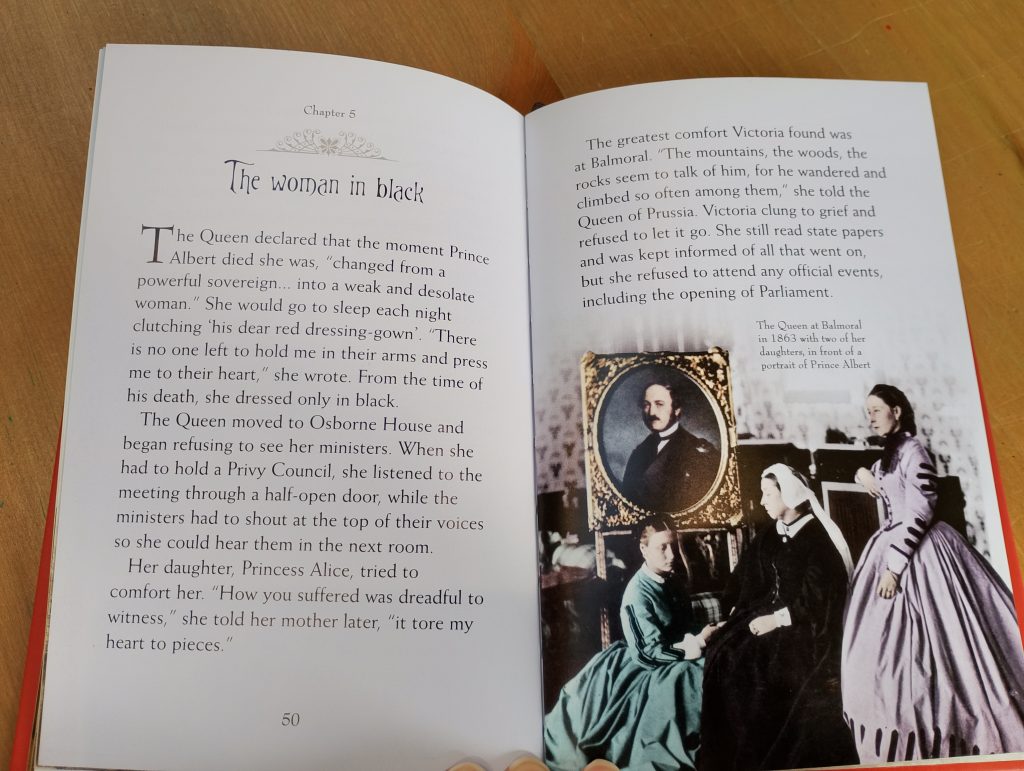
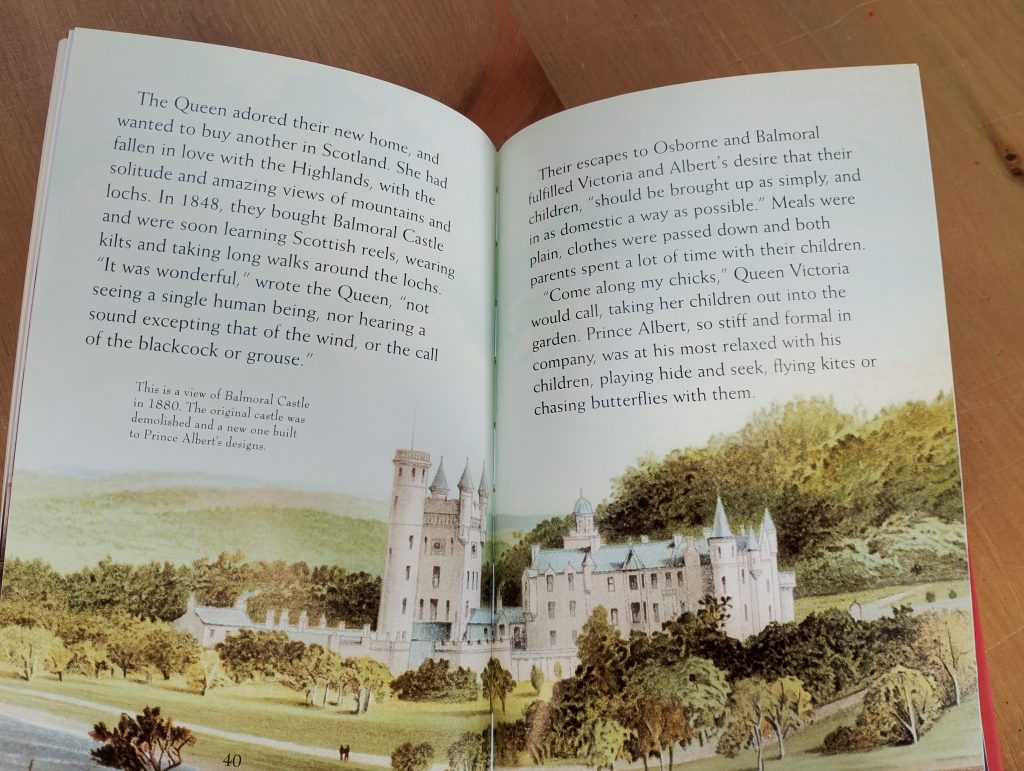
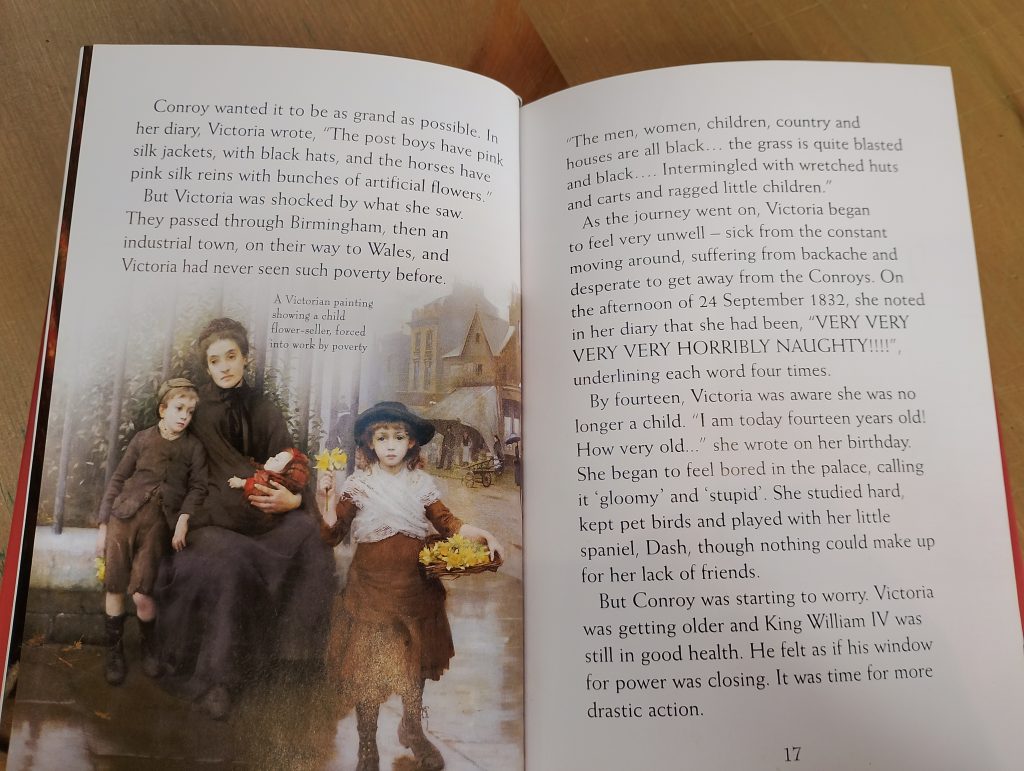
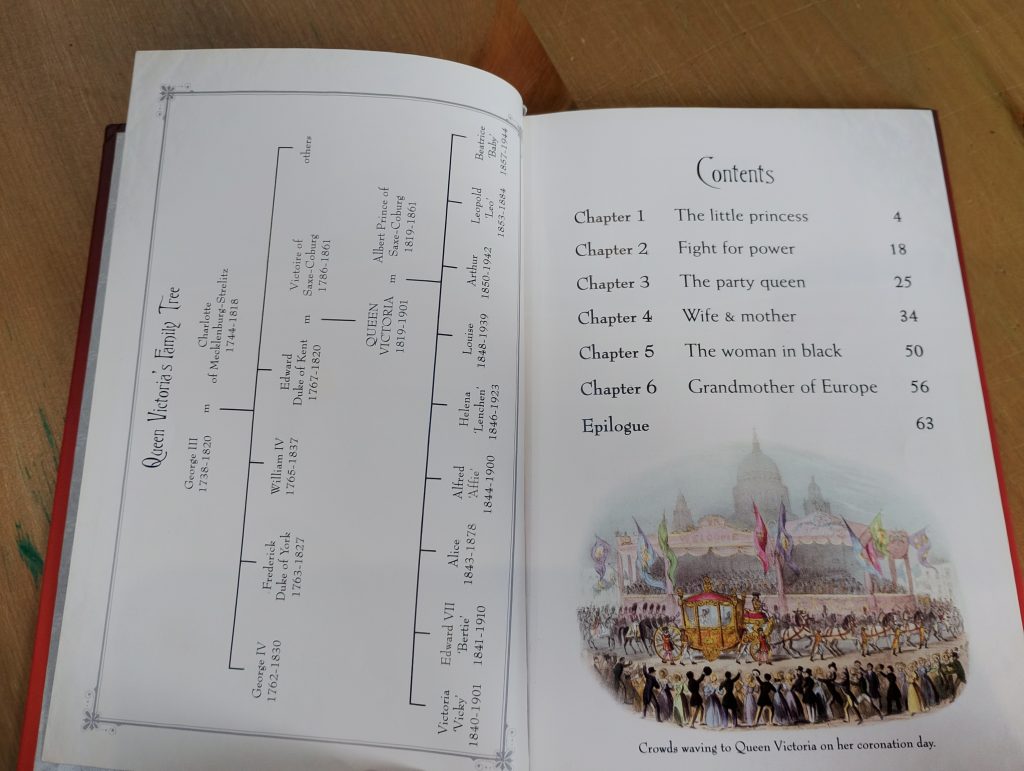
A good short biography, suitable for older children to read themselves. Queen Victoria kept a diary for most of her life, and this book includes many short extracts, so that the reader can get a sense of what the Queen herself was thinking about events around her. The biography is mostly about her personal life, with chapters devoted to her childhood, her romance with Prince Albert, and her widowhood. There are however references to her various Prime Ministers and political events at the time.
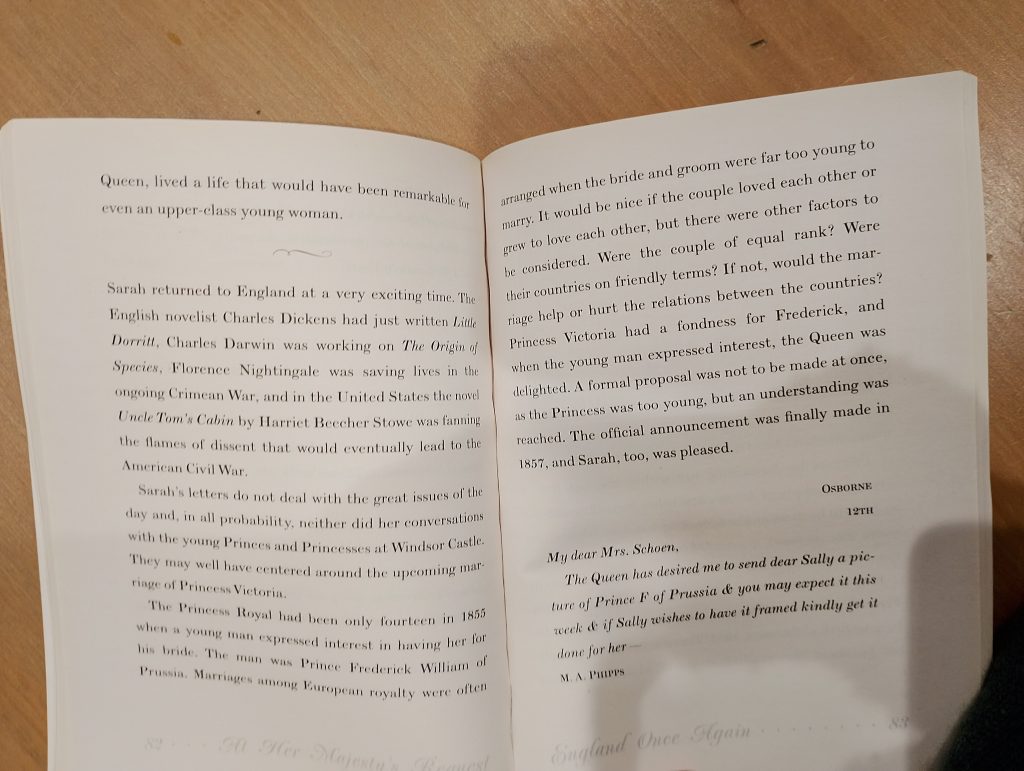
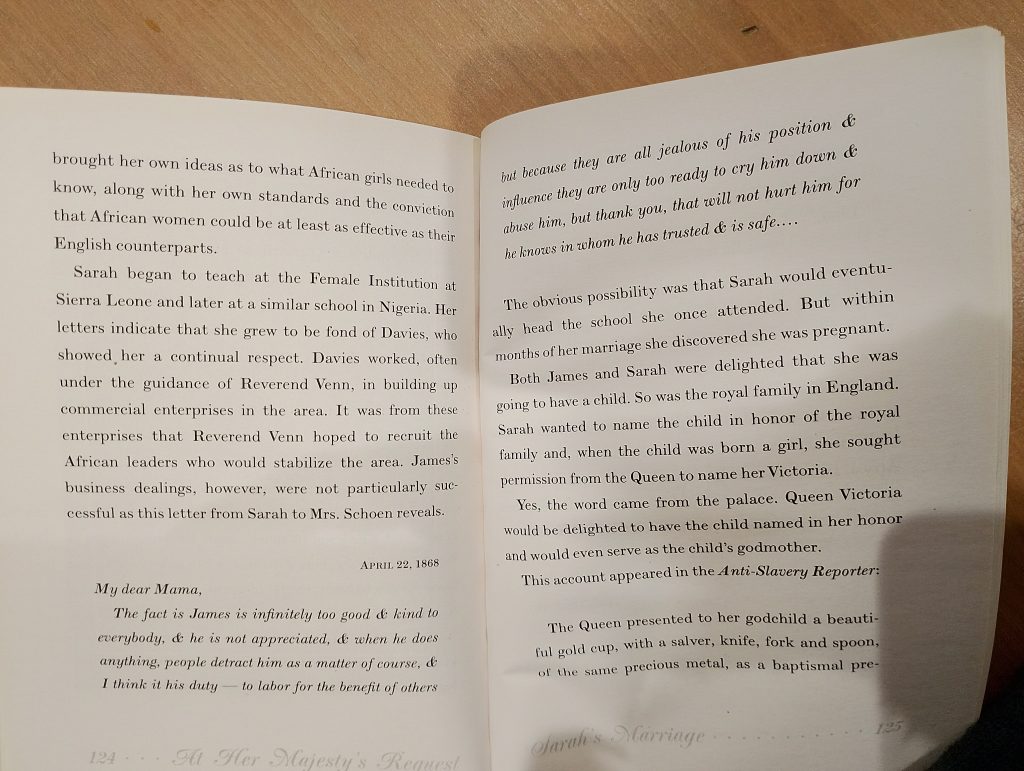
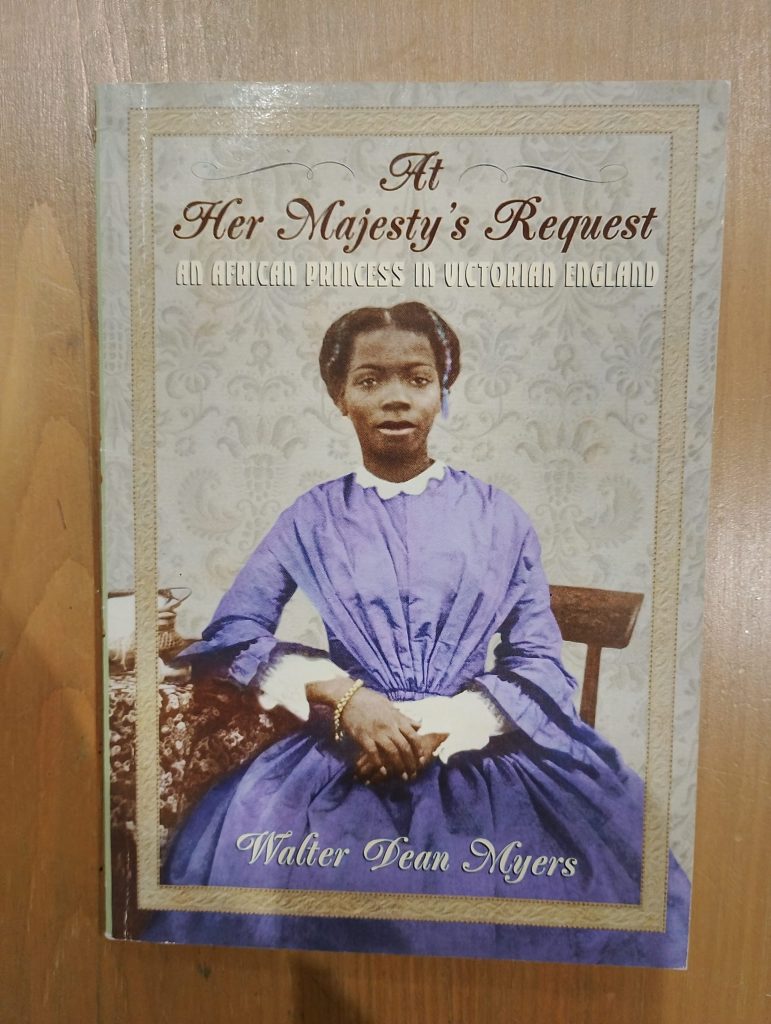
At Her Majesty’s Request: An African Princess in Victorian England
Walter Dean Myers
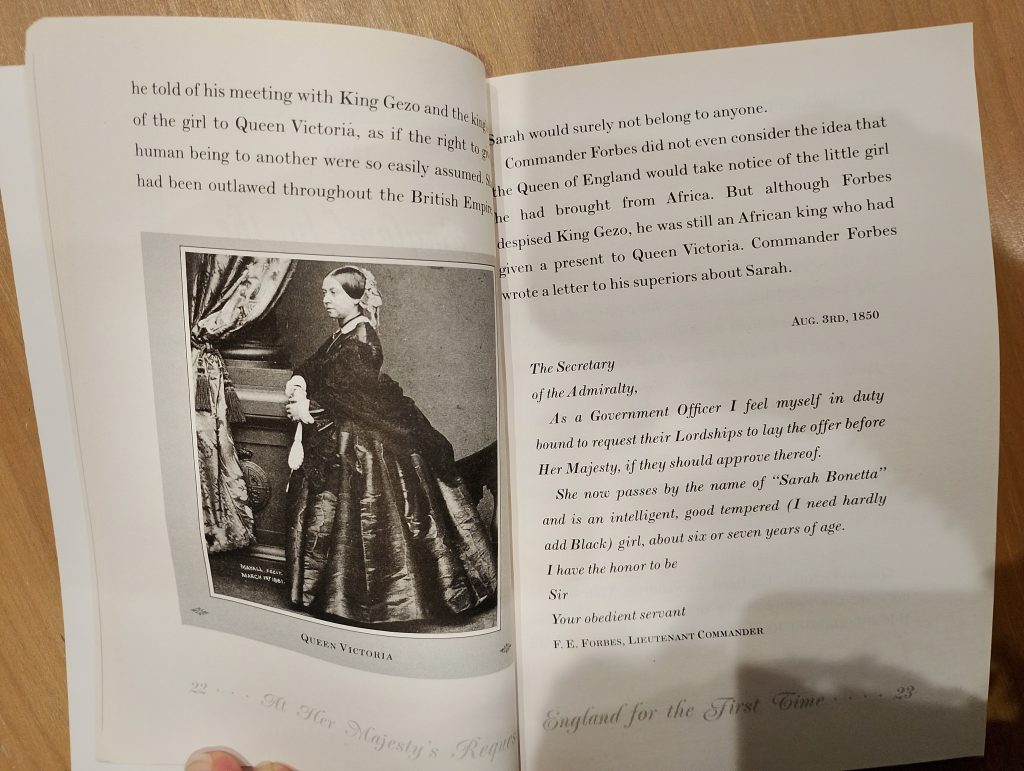
A very interesting short biography of Sarah Forbes Bonetta. Sarah was an African princess who had been captured by a rival African tribe, the Dahomians, during a raid, and was rescued by a British naval officer. The King of Dahome offered her as a present to Queen Victoria, and she was brought back to England, where the queen herself took an interest in her welfare and upbringing. The story is an unusual one, and well worth a read. The author has obtained a collection of original letters relating to the events, and there are also a number of quotations from Queen Victoria’s diary.
Who Was…Isambard Kingdom Brunel: The Iron Man
Amanda Mitchison
A very enjoyable book, particularly for a child who is interested in engineering. The Thames tunnel, the Clifton Suspension Bridge, the railways and the S.S. Great Britain are all included. There are a number of dramatic events, including the time when Brunel accidentally swallowed a coin whilst performing a magic trick for his children. The book also includes the sad story of the tunnel collapse which nearly killed Brunel, and claimed the lives of six workmen. There are a few diagrams and photographs, but not many. The density of the text is probably suited to age 8+, but there is plenty to hold the attention of a younger child with a special interest.


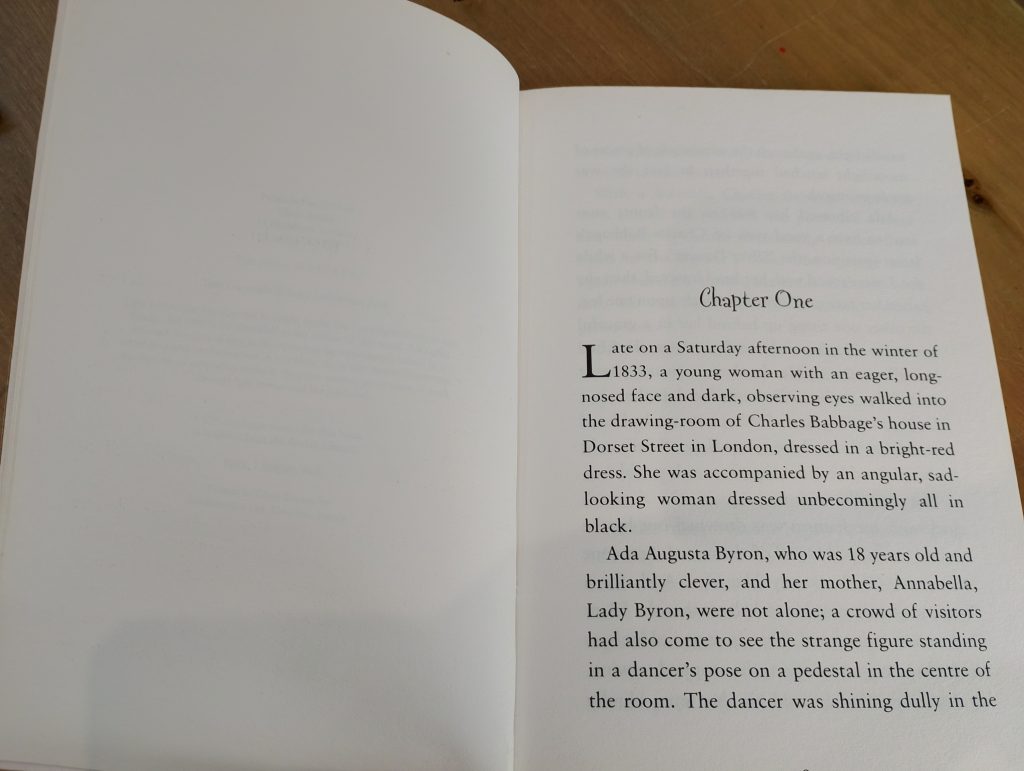
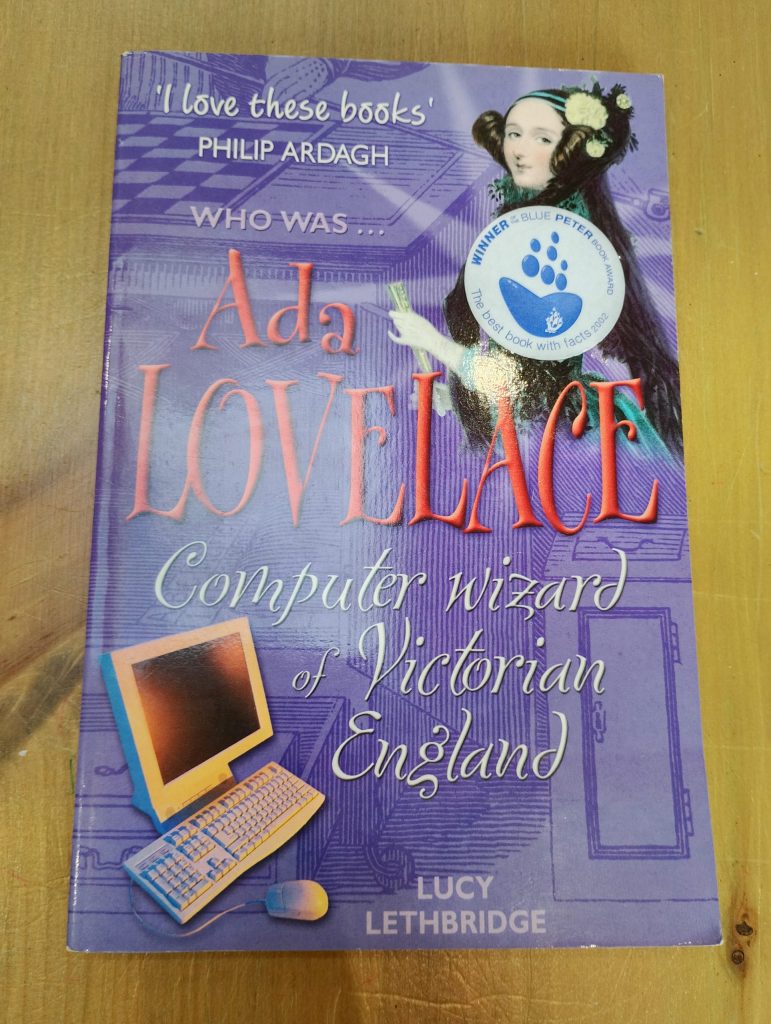
Who Was…Ada Lovelace: Computer Wizard of Victorian England
Lucy Lethbridge
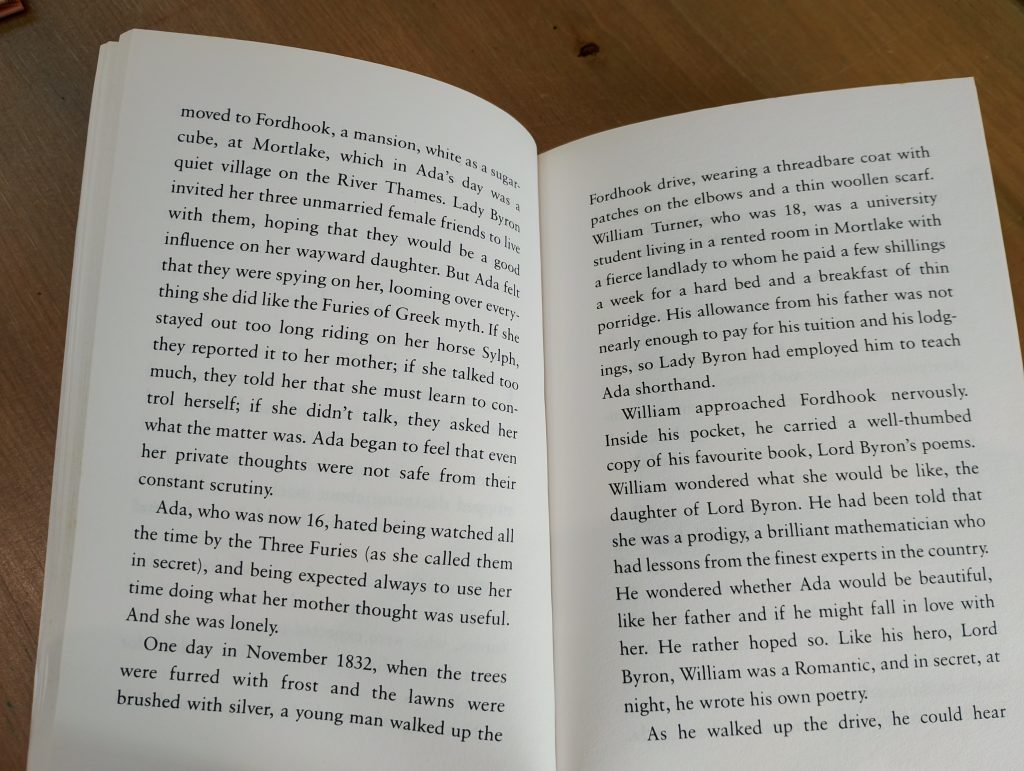
This is from the same series as the Brunel biography above. It contains lots of interesting detail about the life of Ada Lovelace, but I would have preferred more mathematics! It is an interesting and enjoyable book, and gives the reader a sense of how stifling life could be in Victorian England for a young lady, especially one of Ada’s capabilities. Betraying my ignorance, I had not realised that she was the daughter of the infamous Lord Byron. But this book will not tell you much about Ada’s work on the Analytical Machine.
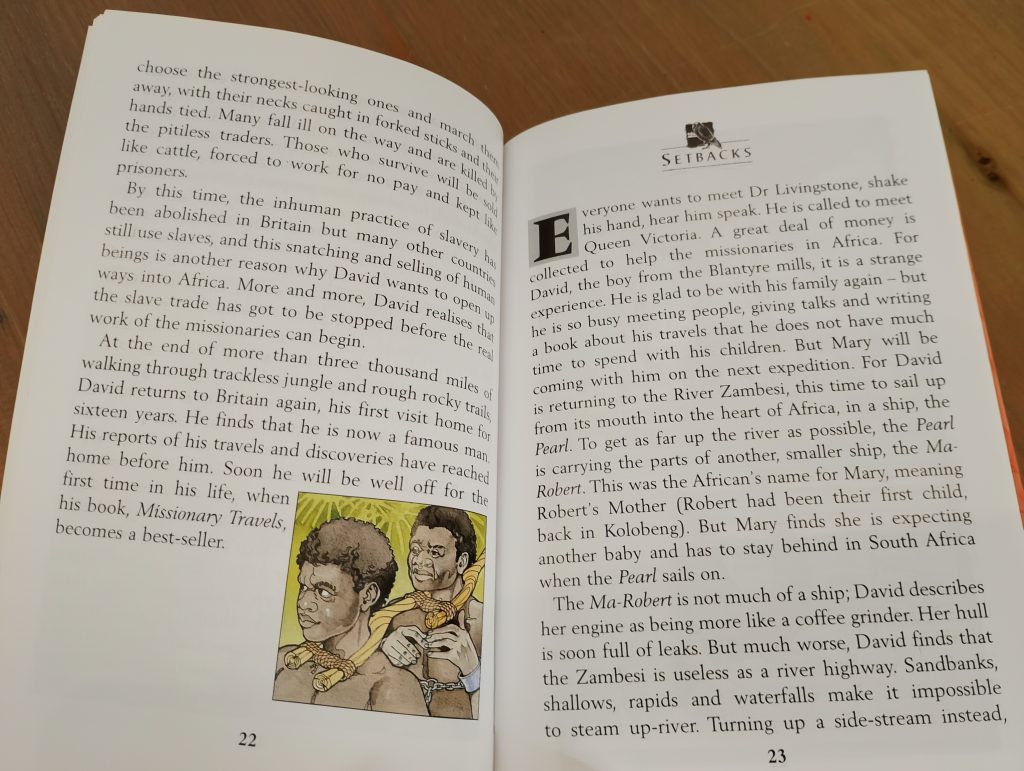
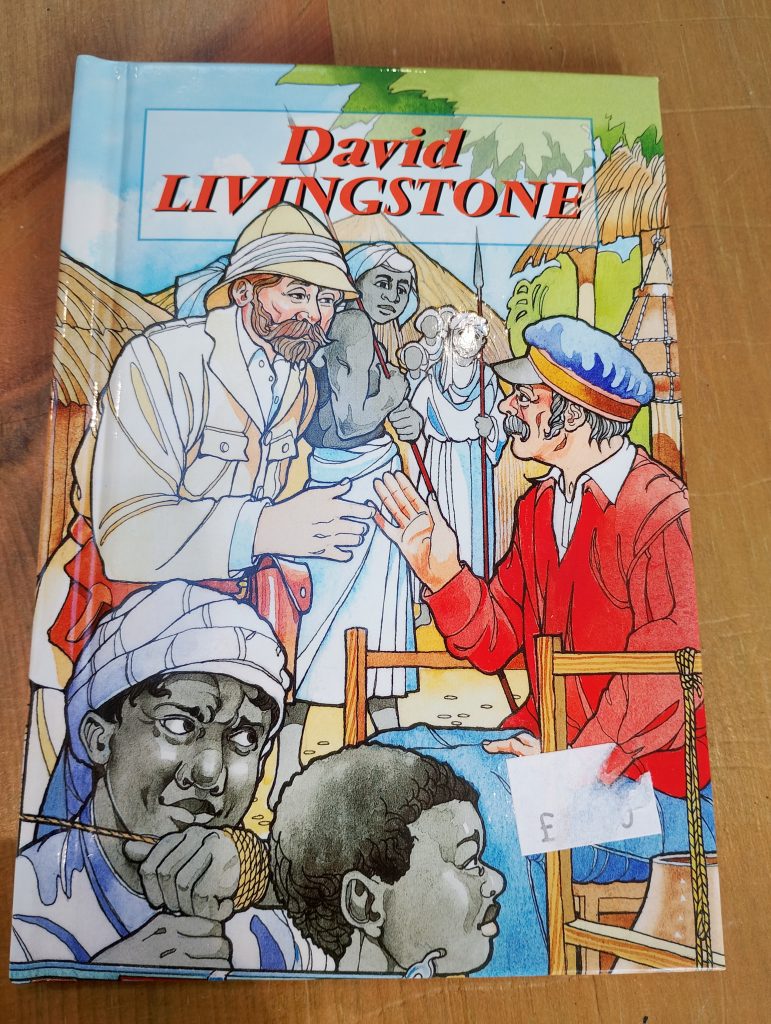
David Livingstone (Corbie Bios)
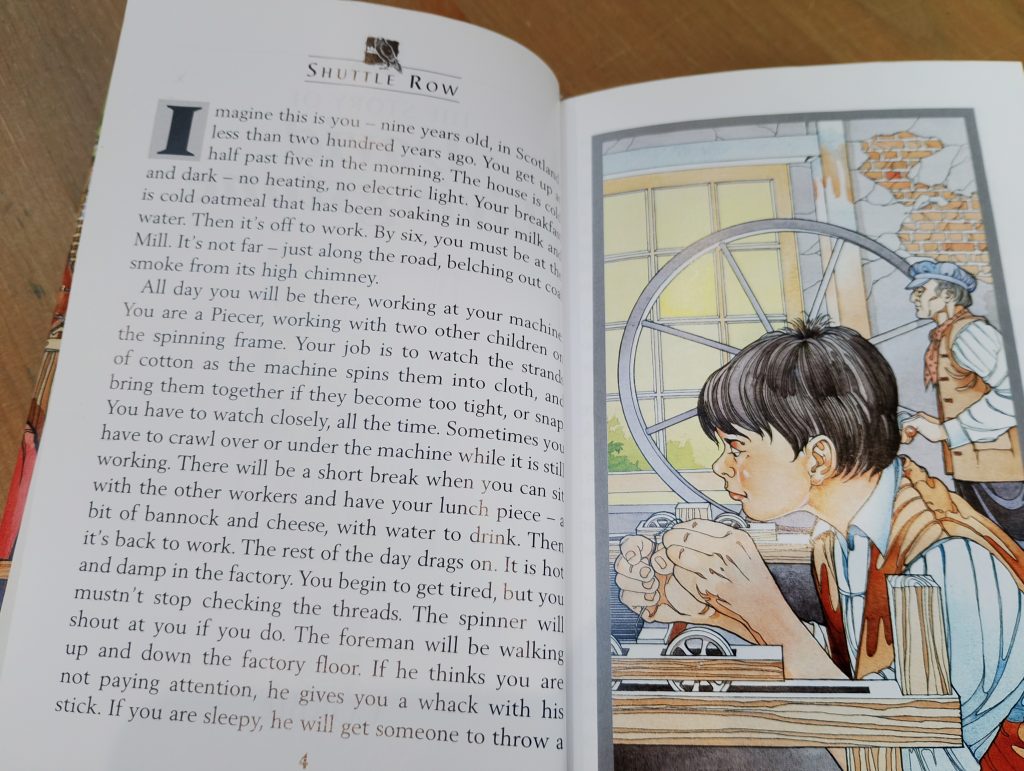
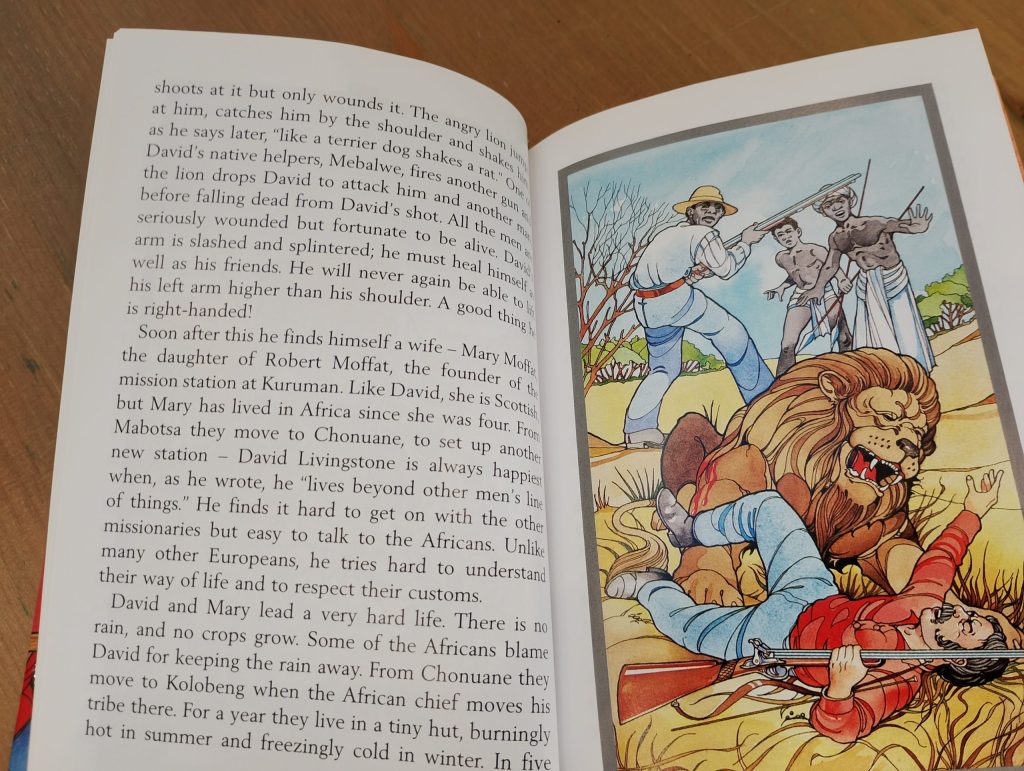
David Ross
A short biography of David Livingstone from the Scottish Corbie Bios series, which are similar to Ladybird books. This book tells you a little about Livingstone’s early life, and mostly focuses on his work as a missionary and an explorer.
The Industrial Revolution
The Story of Railways (Ladybird)
Richard Bowood
I included this book as a suggestion for the Georgian era, but it works just as well for the Victorian. A history of British railways, from Trevithick right through to electrification. We also have the Usborne Story of Railways, and I much prefer this Ladybird book for its focus on the specific details of British railways. For example, the connection between the Royal Mail and the railways, and the development of branch lines. It is a book of its time…“Boys, and their fathers too, have always admired and loved railway engines”.


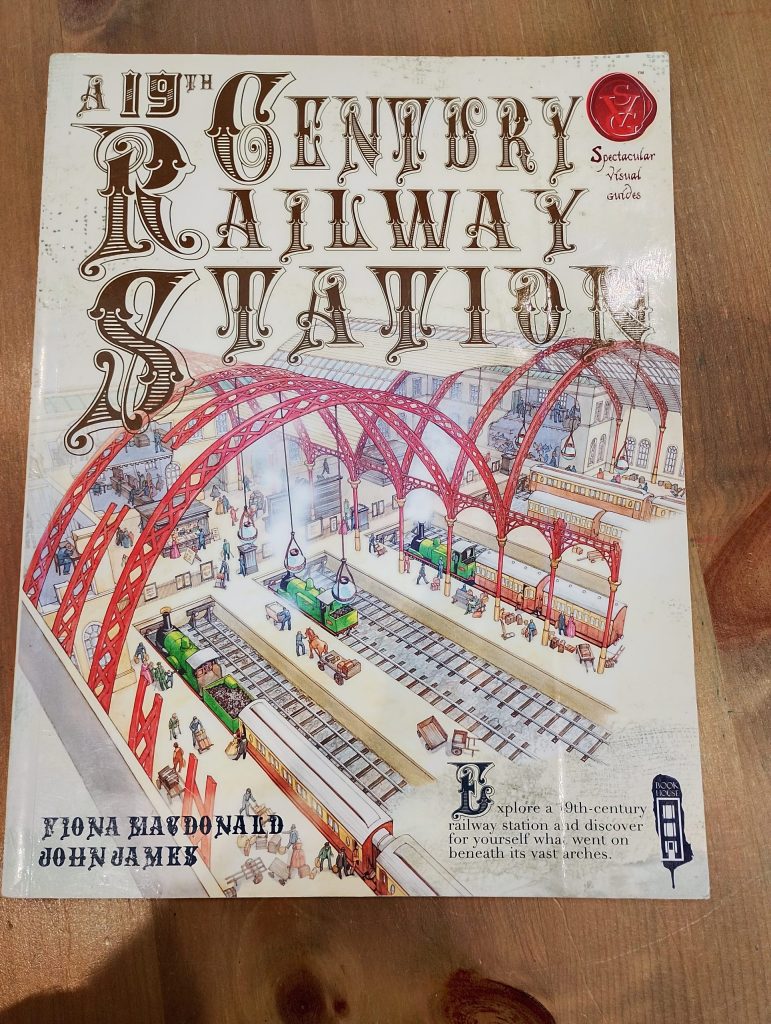
A 19th Century Railway Station
Fiona Macdonald & John James
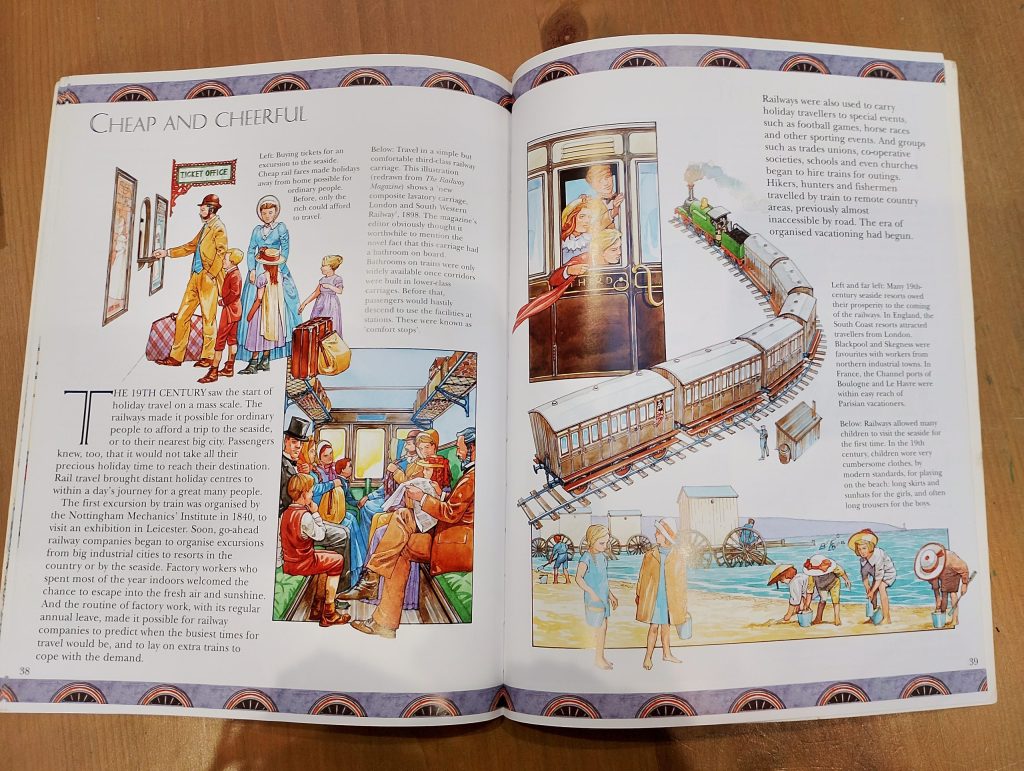
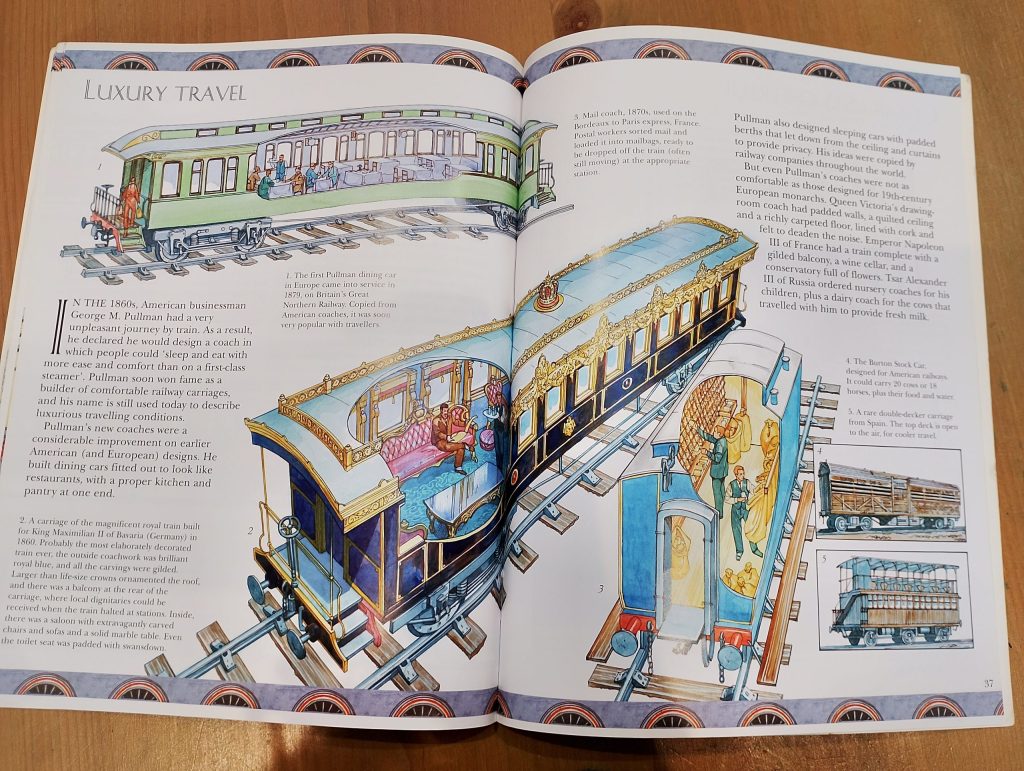
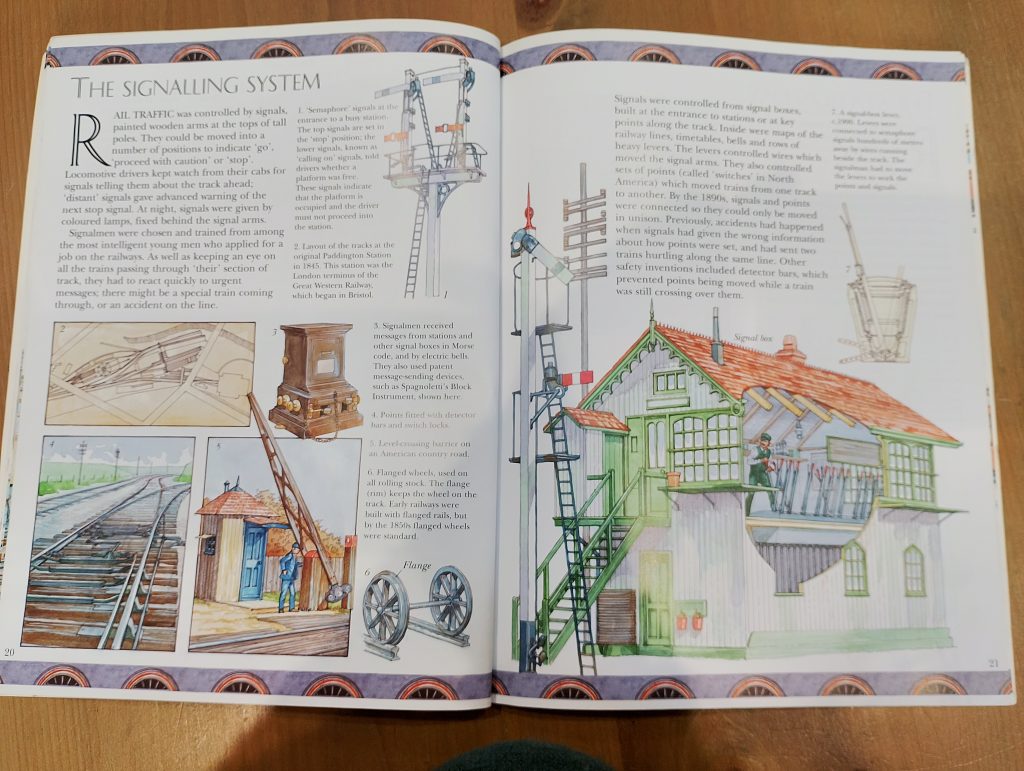
This book is from the Spectacular Visual Guides series, with lots of cutaways and diagrams explaining the development of trains and railway stations in the nineteenth century. There are pages on station building design, tunnels, signalling, staff and carriages. The focus is primarily on British and American railways, but it does mention others of note such as the Orient Express.
This is not my favourite book in the series, but I think that is more to do with the subject matter not being a particular interest of mine. It does a thorough job of explaining what railway travel was like in the Victorian period.
Beautiful Useful Things: What William Morris Made
Beth Kephart and Melodie Stacey
This is a beautiful book, about beautiful things. It is a sort of antidote to the Industrial Revolution, expressing what many people felt at the time about the loss of handicraft and beauty as factories developed, and goods became mass-produced. A good jumping off point for thinking about the Arts & Crafts movement.
There isn’t a huge amount of text content here, but the pictures are gorgeous, and very much in William Morris style. Was it worth the price tag? I am not sure. My children loved it and found it inspirational, which is surely one of the main points of studying art.