Picture Study: Children’s book suggestions for art and artists
Once a week we do ‘picture study’ as part of our morning basket, focussing on a specific artist for a block of roughly 6-8 weeks. For each artist I try to find a book or two that we can read alongside, either a biography, or something about their paintings.
Here is a list of books we have enjoyed, arranged by artist. Some artists are easier to find resources for than others, and we do use some books intended for adults, where they are well illustrated and not too wordy.
This post contains affiliate links. As an Amazon Associate, I earn from qualifying purchases.
Paul Cezanne
Paul Cezanne
Mike Venezia
From Venezia’s Getting to Know the World’s Greatest Artists series. I really appreciated this book, I thought it struck a good balance of being accessible to children, whilst also helping them to appreciate the key points of Paul Cezanne’s work, and also his struggles. There are lots of large illustrations of Cezanne’s artwork.

Great Artists Book 3 (Ladybird)
Dorothy Aitchison
A wonderful series of short artist biographies from Ladybird, this volume covers Van Gogh, Gauguin and Cezanne. Each page is illustrated with a watercolour, and several of the pictures incorporate Cezanne’s works. I do really like these Ladybird biographies, but I think for Cezanne, the Mike Venezia book (coupled with picture study!) is better for deeply understanding what was new and interesting in Cezanne’s work.

John Constable
John Constable
Edward Allhusen
This series of short (24 pages) biographies from the Medici Society are fairly accessible to children. This one on Constable in particular is quite easy to follow, and children can see how the circumstances of Constable’s life influenced his painting. You may wish to pre-read and be selective about which passages are more accessible to a young audience. We read through the whole book, but generally a couple of pages each week, incorporating a picture study on one of the works discussed on those pages.
The book has many many illustrations. Here are some of the more famous of Constable’s works that are discussed: Maria Bicknell, The Mill Stream, Boat-building near Flatford Mill, The Haywain, Salisbury Cathedral from the Bishop’s Grounds, The Leaping Horse, The Cornfield, Fording the River, Stonehenge.


Thomas Gainsborough
I found it really hard to find a suitable children’s book about Gainsborough. There is a single Gainsborough portrait (The Painters Daughters Chasing a Butterfly) in Katie and the British Artists by James Mayhew. I also spotted a relatively new publication called Tom’s Trunk by Steph Parmee on the Gainsborough’s House bookshop, but I haven’t had a chance to look at it yet.
The Great Artists Magazine No. 48 Gainsborough
Marshall Cavendish Weekly Collection
This is not a children’s book, but we have found it quite accessible, and were able to find a copy at a very reasonable price. The magazine is 32 pages long. It contains a six page biography with lots of pictures and photographs, and four pages on Gainsborough’s love of landscape painting, despite being primarily a portrait artist. The next article is a double page spread on Gainsborough’s early work Mr and Mrs Andrews explaining the significance of a number of features of the painting. I really liked this article, and would have loved more of these. There is a gallery of ten Gainsborough paintings. The end of the magazine is some articles about the context of Gainsborough’s life (e.g. Fashionable Bath) which I didn’t find as helpful. Overall, I found this a useful resource, and would buy these magazines again for artists where few books are available. I found my copy on Ebay.


L.S. Lowry
I found it hard to access free, high-quality JPEG files of Lowry’s artwork, perhaps because he is a more recent artist. The most cost-effective way to obtain a range of prints was to purchase a Lowry calendar. The 2025 calendar has a good range of his most famous works, but I recommend taking a look at few options to see what would suit you.
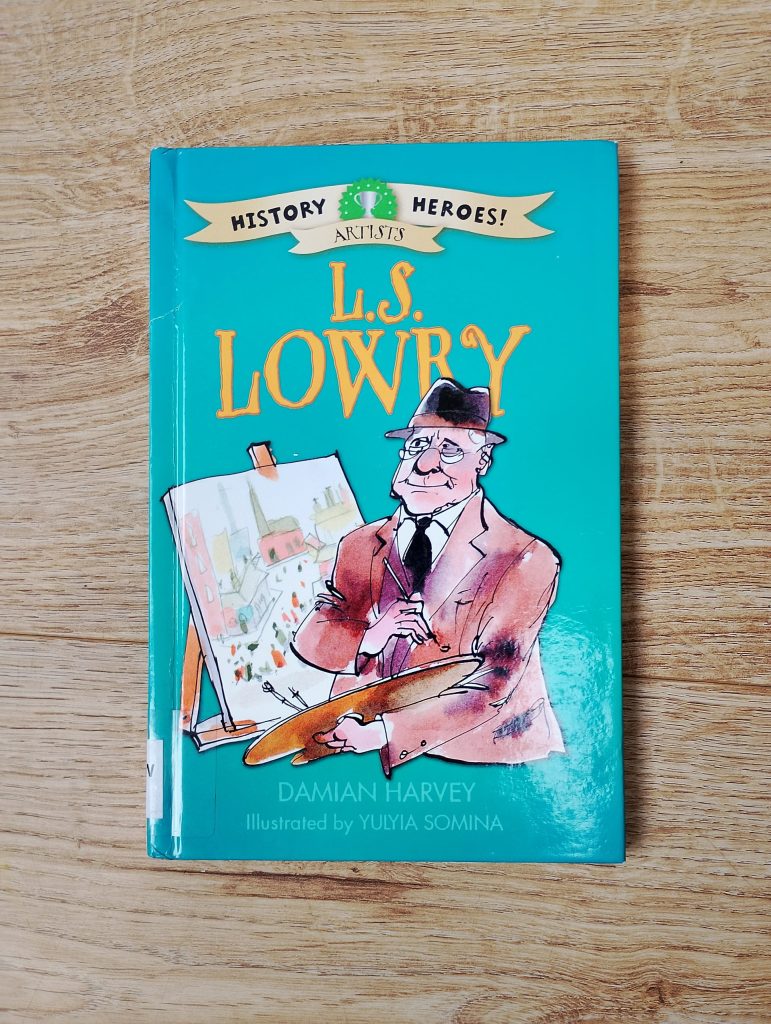
L.S. Lowry (History Heroes)
Damian Harvey
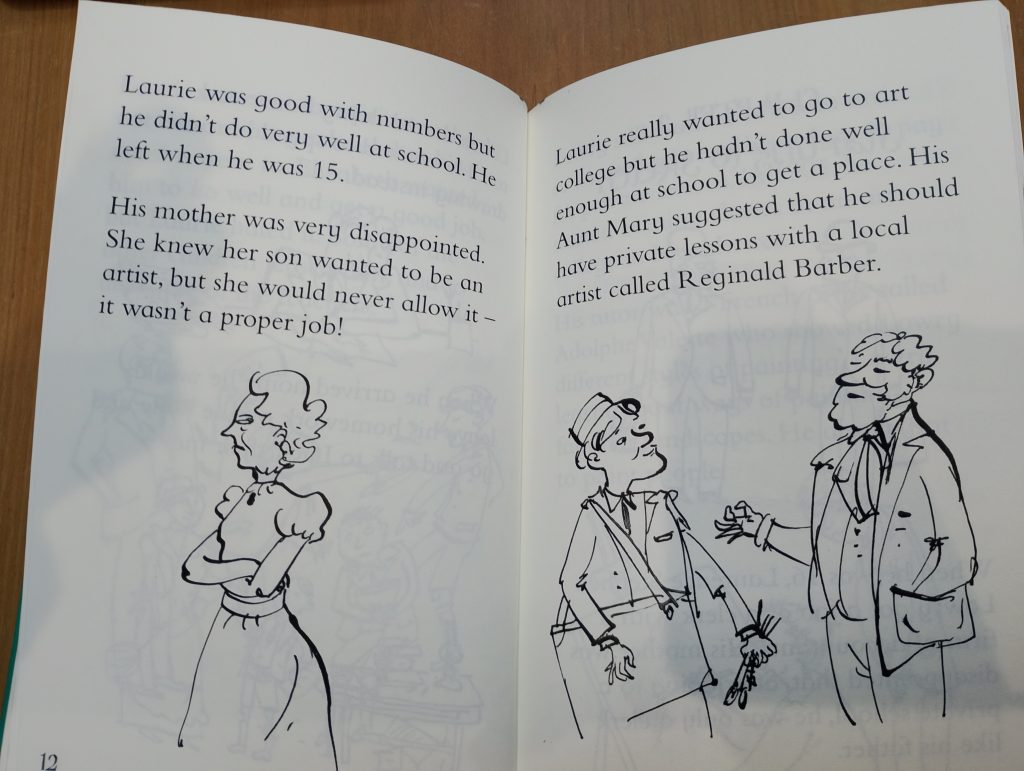
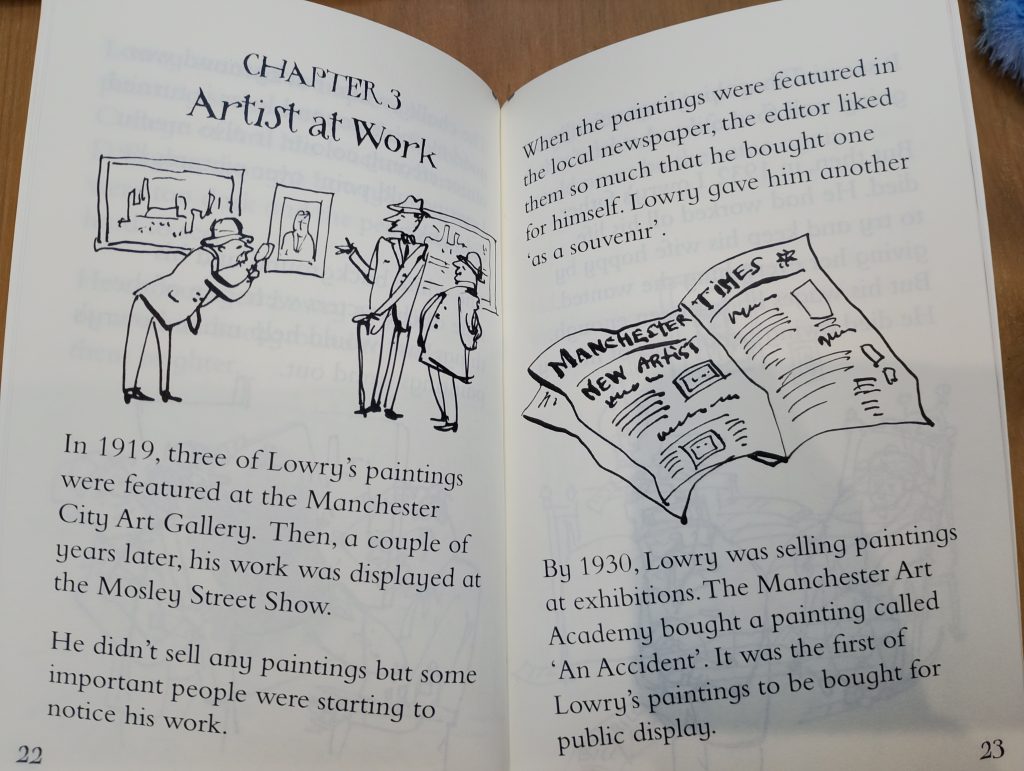
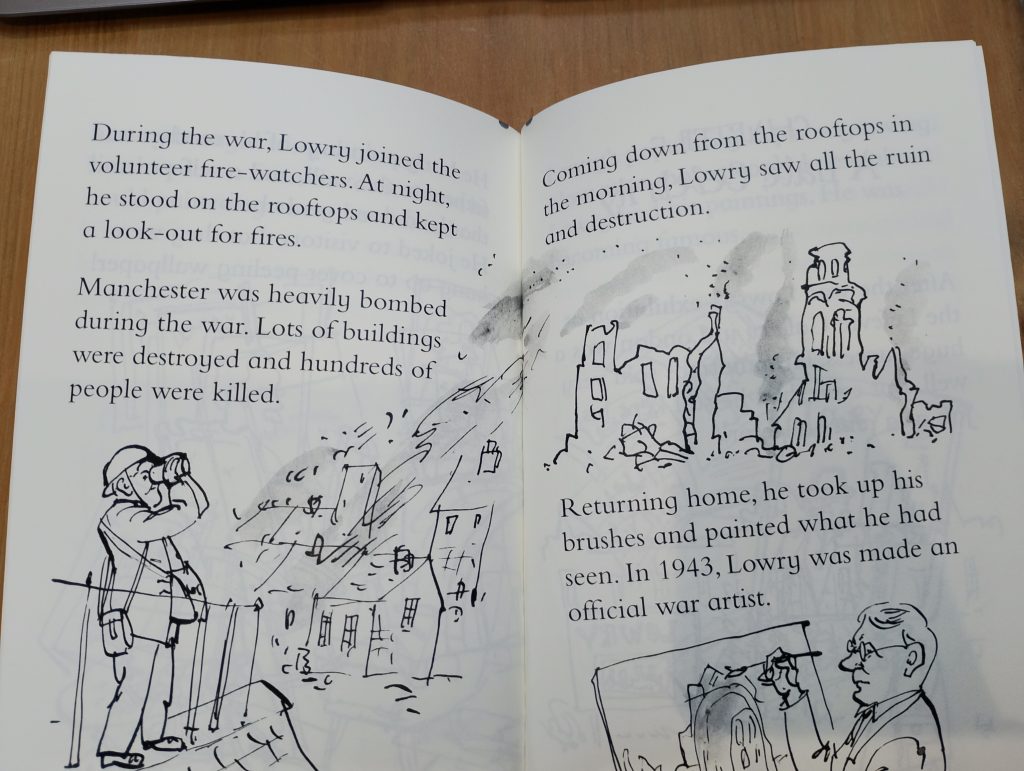
I was very pleasantly surprised by this little book, which I took at first glance to be a simplistic reading book. In fact, it was a good child-friendly biography of Lowry, with just the right amount of detail for primary-age children. The book is illustrated with black and white line drawings, so we supplemented with the Medici Society book mentioned below.
L.S. Lowry
David McLean
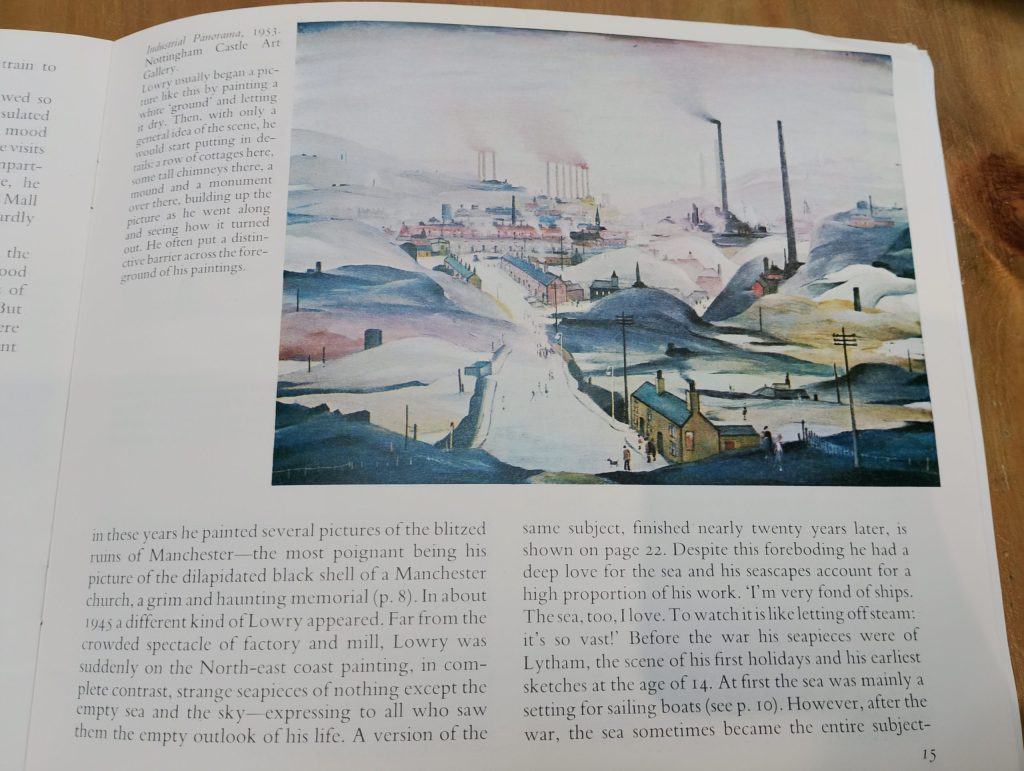
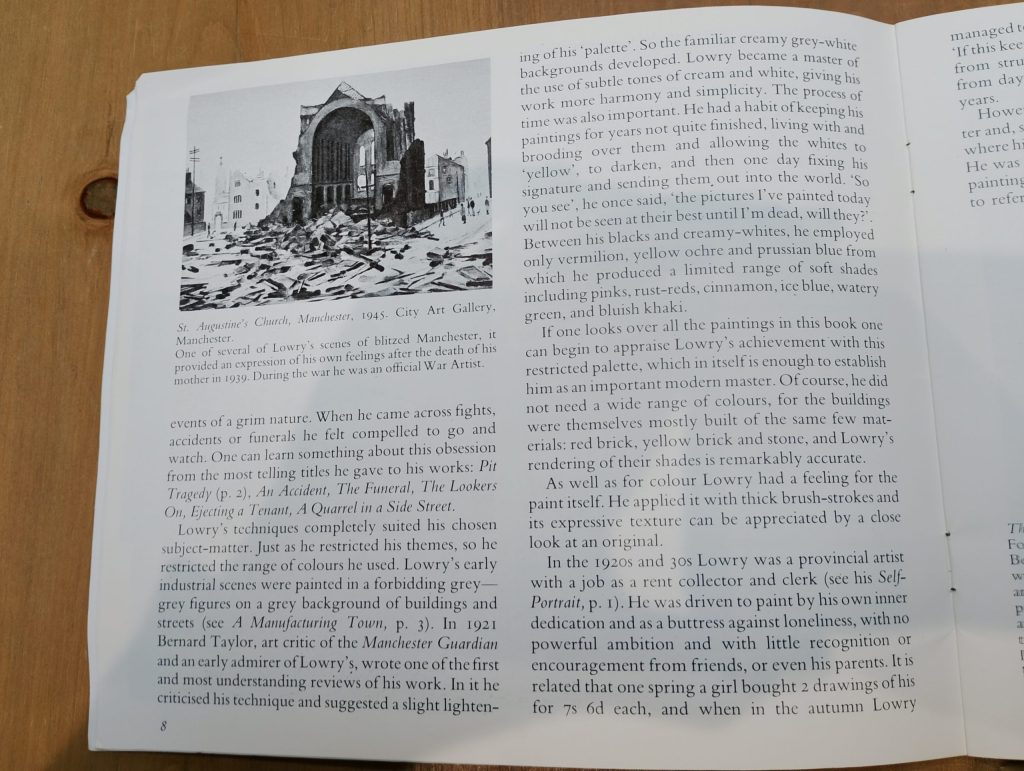
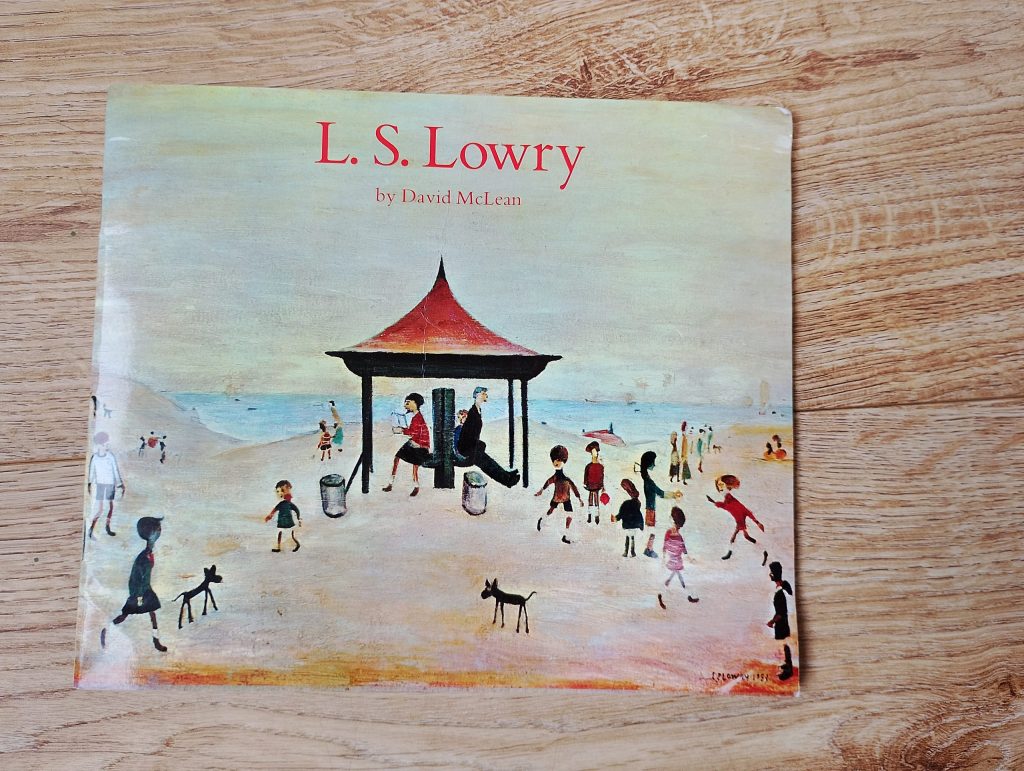
This is one of the series of short biographies from the Medici Press. It is written for adults, but is fairly acceptable to children, with plenty of colour reproductions on every page. As we had the History Heroes book mentioned above as a biography, we primarily used this book to see a larger range of Lowry’s pictures, and to read short extracts about aspects of his life which interested us.
Pablo Picasso
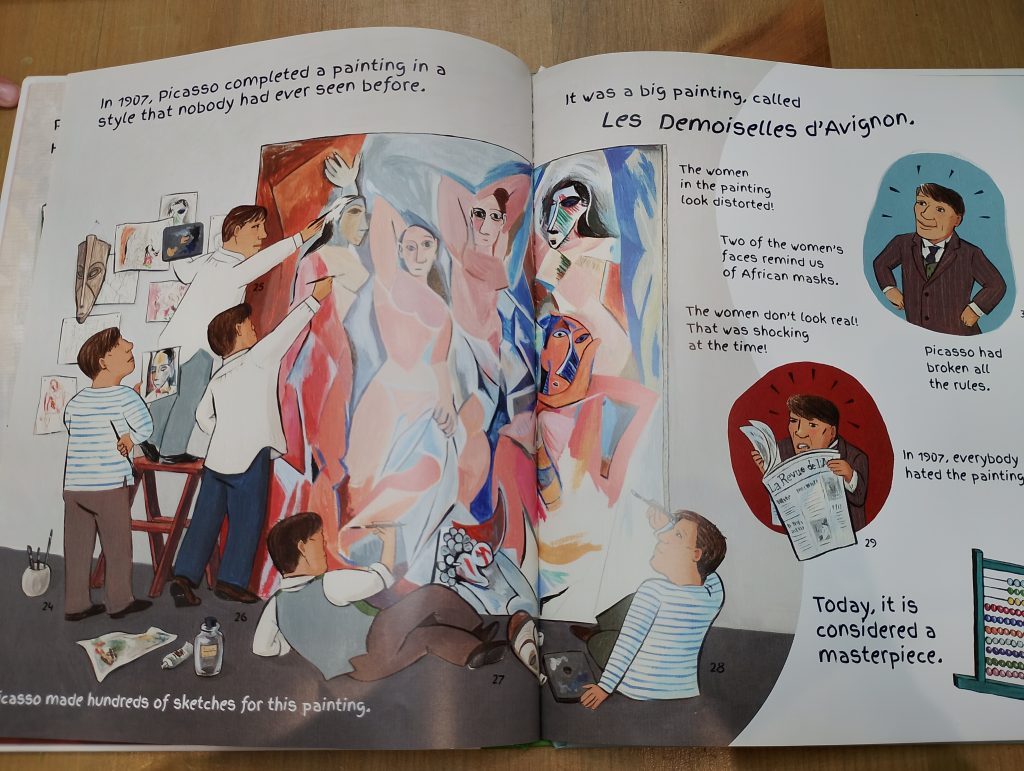
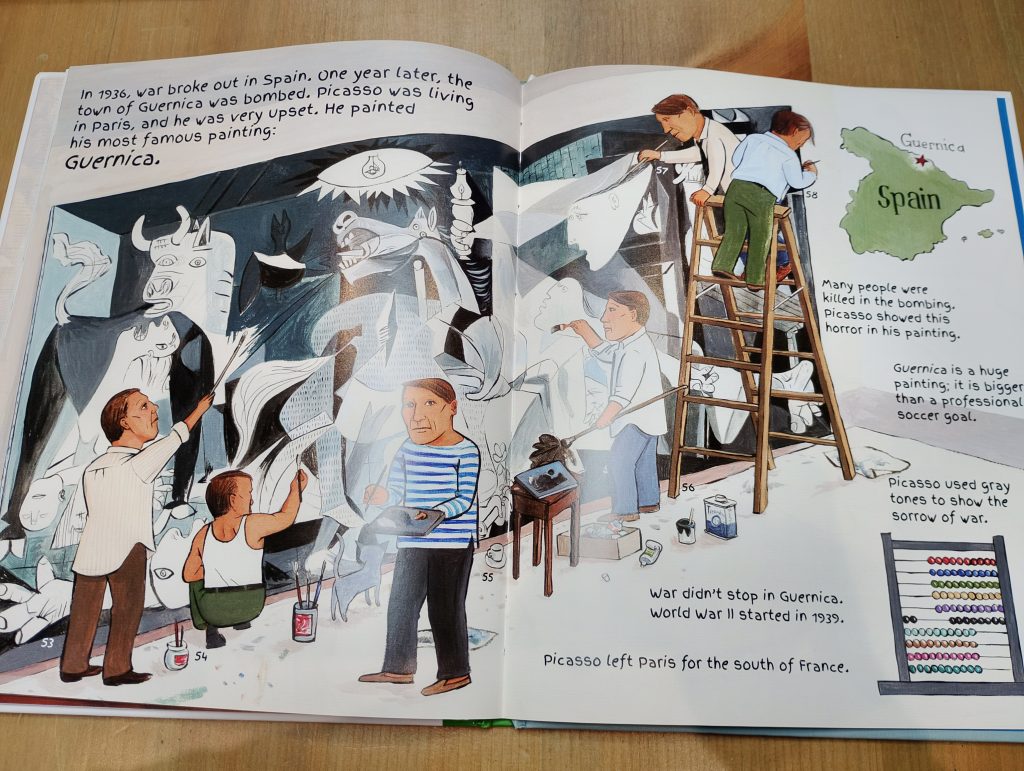
I found Picasso to be a more challenging artist to study with children. Many of his key works have a level of sensuality that I prefer to avoid in our Picture Study. Nonetheless, he did make very important contributions to the development of twentieth century art, which I wanted to cover if possible. I tried to use a selection of his paintings from different periods of Picasso’s life, but we did skip over Les Demoiselles D’Avignon and Guernica. We studied Self Portrait 1901, The Old Guitarist, Harlequin with Glass, Gertrude Stein, Still Life with Chair Caning, Three Musicians, and Dora Maar au Chat.
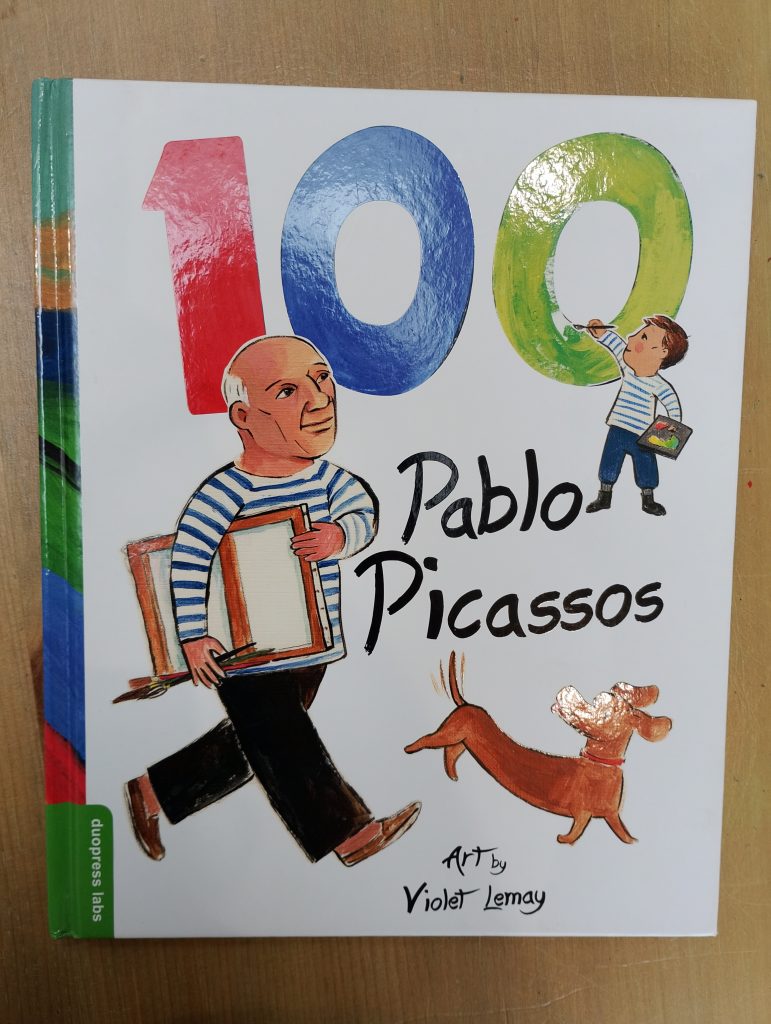
100 Pablo Picassos
Violet Lemay
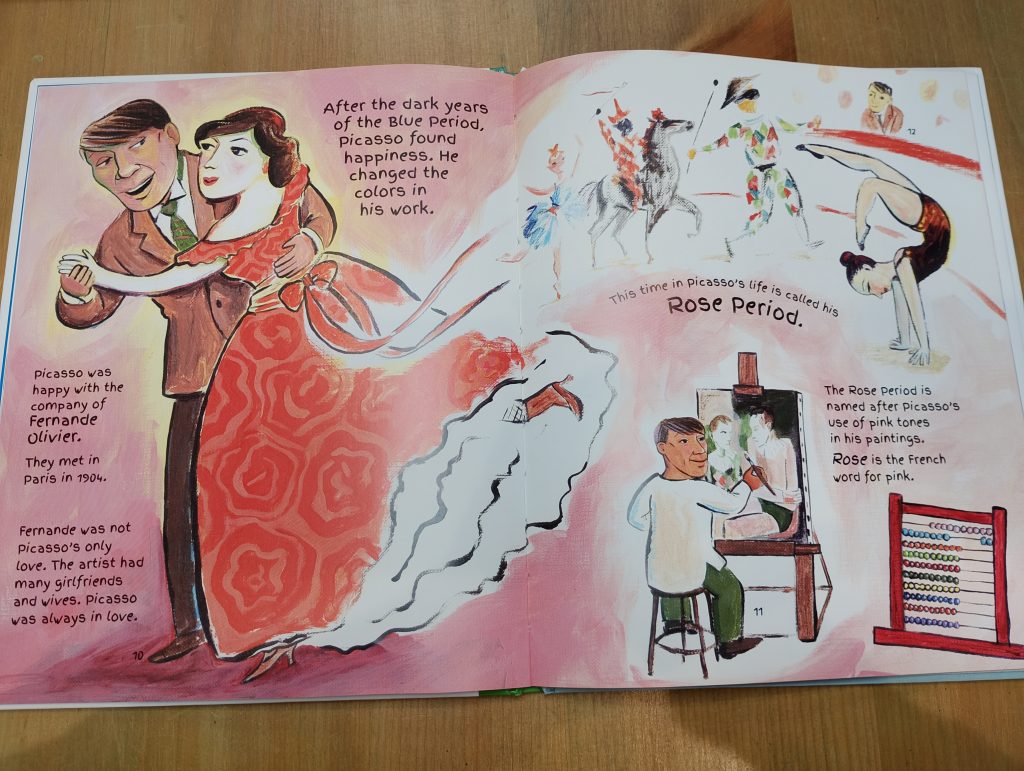
I picked this book because it had a clear chronological progression through the various stages of Picasso’s art. It was easy to tie in each week’s Picture Study with the next few pages, looking at his Blue Period, Rose Period, Cubism, etc. The book does include sketches of Les Demoiselles and Guernica, but I didn’t mind us briefly viewing them in this format. There are some allusions to Picasso’s love life, I have shown the most detailed in one of the photo below. I chose to skip over this paragraph.
Overall, I think this book was a good option, but with the caveats mentioned above. Picasso’s life and works do make him a more complicated choice to study with young children.
Claude Monet
Katie and the Waterlily Pond
James Mayhew
One of James Mayhew’s wonderful ‘Katie’ series of picture books about the works of different artists. This is a good introduction for younger children. Katie journeys through several of Monet’s paintings, meeting different characters. Not a biography, more of an introduction to the artist’s works. The paintings are: In the Woods at Giverny, Bathers at La Grenouillere, The Rue Montorgueil, Path Through the Poppies, The Waterlily Pond.

Linnea in Monet’s Garden
Christina Bjork
A slighter older book, this is one I loved as a child. It is just what I think a children’s art book would be, incorporating a story arc but with plenty of examples of the artist’s works and inspiration, and something of the story of the artist’s life.
It tells the story of a little girl called Linnea, who visits Monet’s house and garden. She travels with her neighbour, a former gardener and Monet-enthusiast. (I have to say that, rereading as an adult, this did seem rather a safeguarding failure on the part of her parents, and it would have been better to use a grandparent character. The relationship is lovely and entirely grandfatherly, so I’m not sure why the author didn’t choose a grandparent).
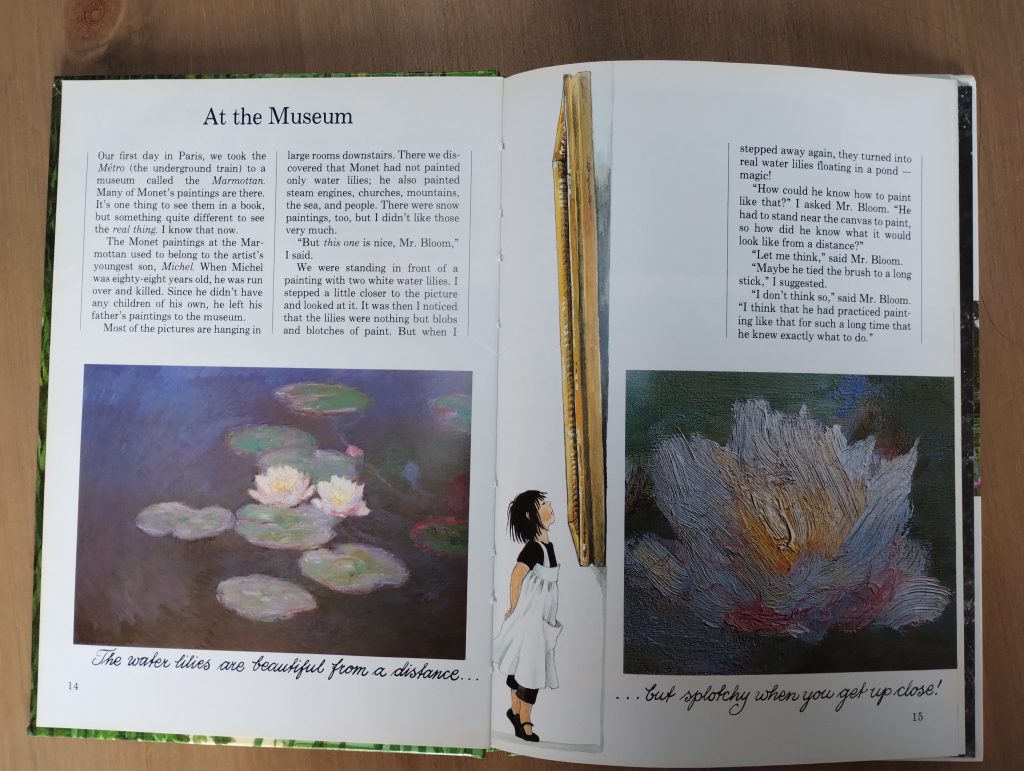
The book is beautifully illustrated and full of little sketches, as well as photographs of Monet’s paintings. Some pages tell Linnea’s story, whilst others give more information about Monet (Impressionism, the Japanese Bridge, Monet’s family), though still through the lens of the story. I particularly liked the page showing a photograph of a waterlily painting at a distance, and then again close up, to explain the broad brush strokes of the Impressionists.
Key paintings in the book: The Japanese Bridge, Nympheas Effet du Soir, Impression – Sunrise, The Poppy Field near Argenteuil, En Norvegienne, Camille on her Deathbed, Morning on the Seine near Giverny.


Claude Monet: The Painter who Stopped the Trains
P.I. Maltbie
This one is more of a story book than the previous Monet suggestions, and does not really have any illustrations of his art except in the Appendix. It is a nice counterpoint, in that it focusses on Monet’s paintings of the trains at Gare Saint-Lazare, whereas the other books are much more focussed on Monet’s flower and river scenes.
I would have preferred more inclusion of Monet’s actual artwork, to help children to build familiarity with his works.

The Pre-Raphaelites
We looked at the Pre-Raphaelites as a group of artists, mostly focussing on individuals within the Pre-Raphaelite Brotherhood. The accompanying books were about William Morris. Although we did not study Morris’s paintings, his influence on the Pre-Raphaelites was profound. This artist study also dovetailed nicely with our historical studies on the Industrial Revolution and the Victorians.
The artists that we studied were:
- Ford Madox Brown (The Last of England)
- William Holman Hunt (The Light of the World, The Scapegoat)
- John Everett Millais (Ophelia, The Order of Release, The North-West Passage)
- Dante Gabriel Rossetti (Beata Beatrix, Proserpine)
- John William Waterhouse (The Lady of Shalott)
Beautiful Useful Things: What William Morris Made
Beth Kephart and Melodie Stacey
This is a beautiful book, about beautiful things. There isn’t a huge amount of text content here, but the pictures are gorgeous, and very much in William Morris style. Was it worth the price tag? I am not sure. My children loved it and found it inspirational, which is surely one of the main points of studying art.


William Morris (V&A Introduces)
Anna Mason
This little book is certainly the more practical of the two William Morris book suggestions. It provides little snapshots of various aspects of Morris’s life and works, such as ‘Morris the designer’ and ‘The Arts and Crafts movement’. I particularly appreciated the pages exploring how his pattern designs were created. We really enjoyed reading a couple of pages each week as part of our picture study.


Auguste Rodin
Rodin was our first foray into looking at sculpture for our picture study! It is harder to do, because sculpture is meant to be enjoyed ‘in the round’, and is harder to convey through a 2D photograph. I also found that the backgrounds were distracting in some of the photographs we used. The pieces we chose to study were: The Burghers of Calais, The Thinker, The Age of Bronze, Monument to Balzac, The Walking Man, The Head of John the Baptist, and The Cathedral.
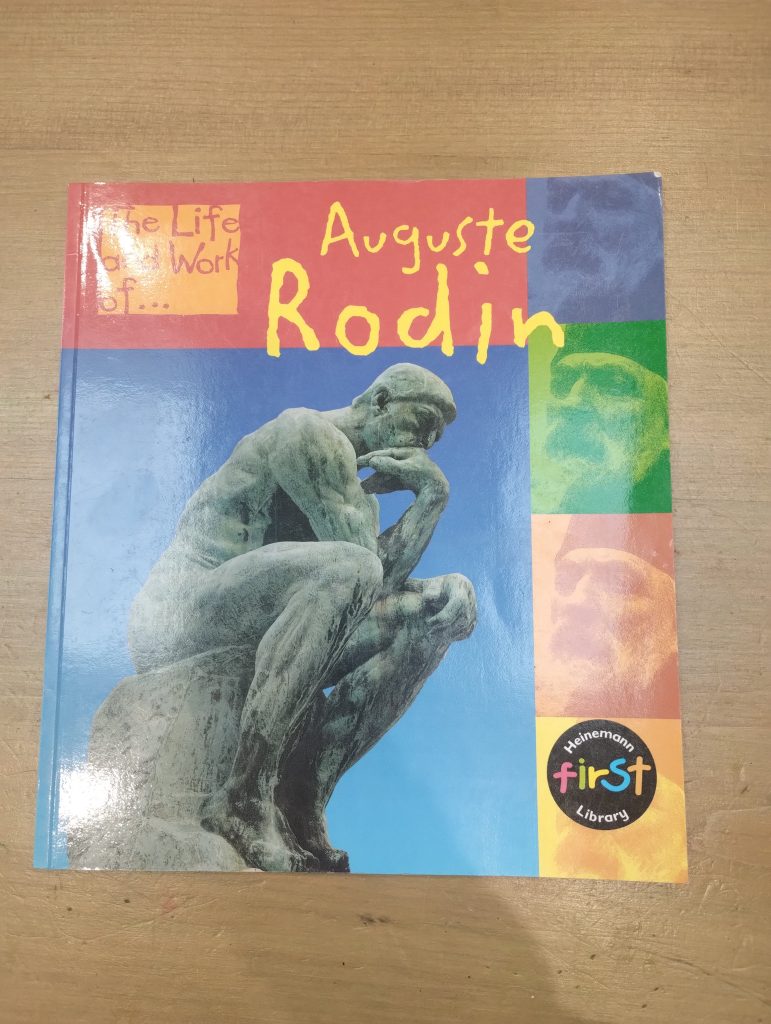
The Life and Work of…Auguste Rodin
Richard Tames
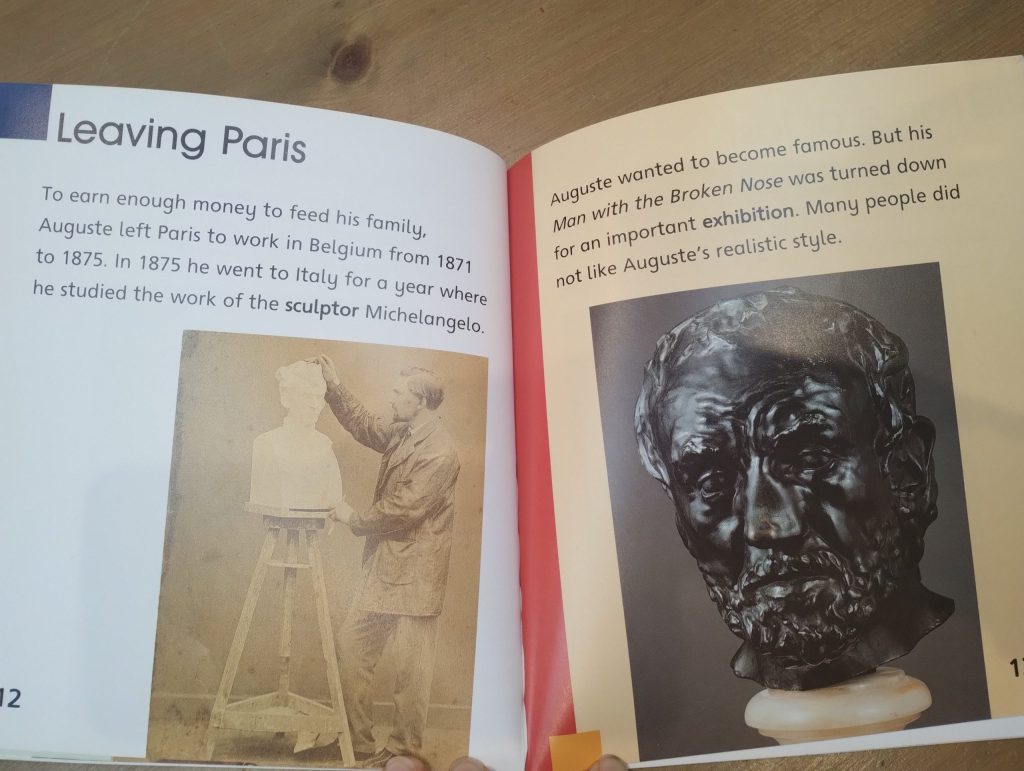
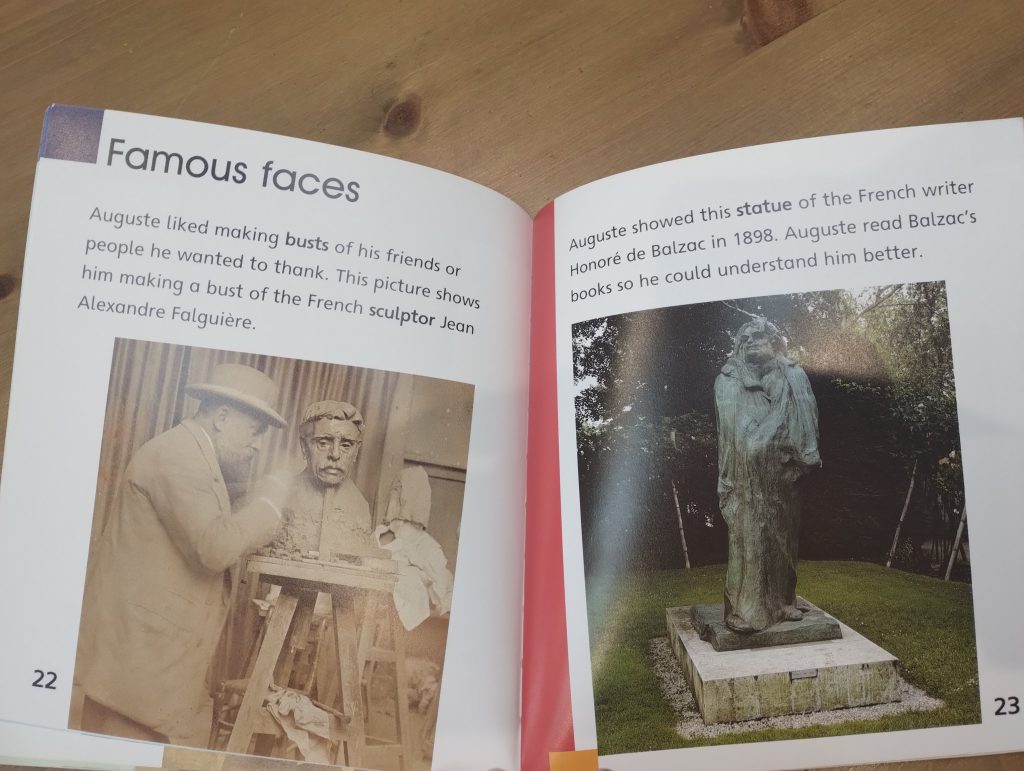
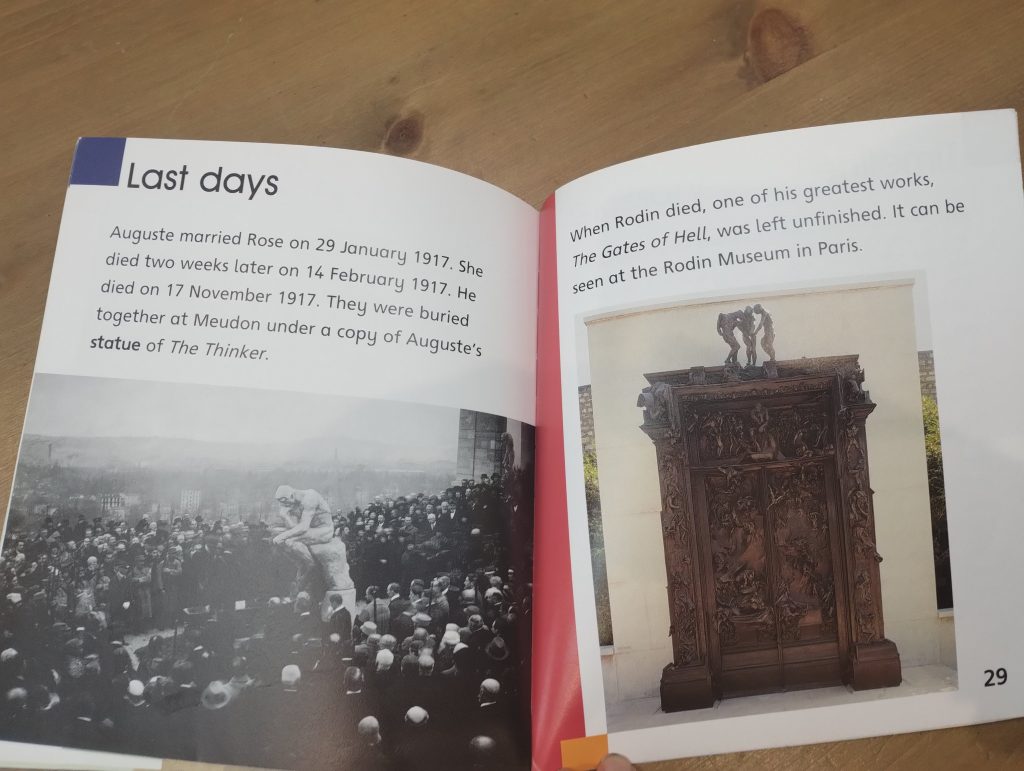
This unassuming little book is my current top pick for studying Rodin with small children. It is designed for younger children to read to themselves, so the language is quite simple, but in many ways I appreciated that. There was a good narrative flow, and we were able to read a few pages each picture study, often tied in with the sculpture we were looking at that week.
There is a brief explanation of Auguste’s relationship with Rose Beuret, that they had a son together but only married just before her death.
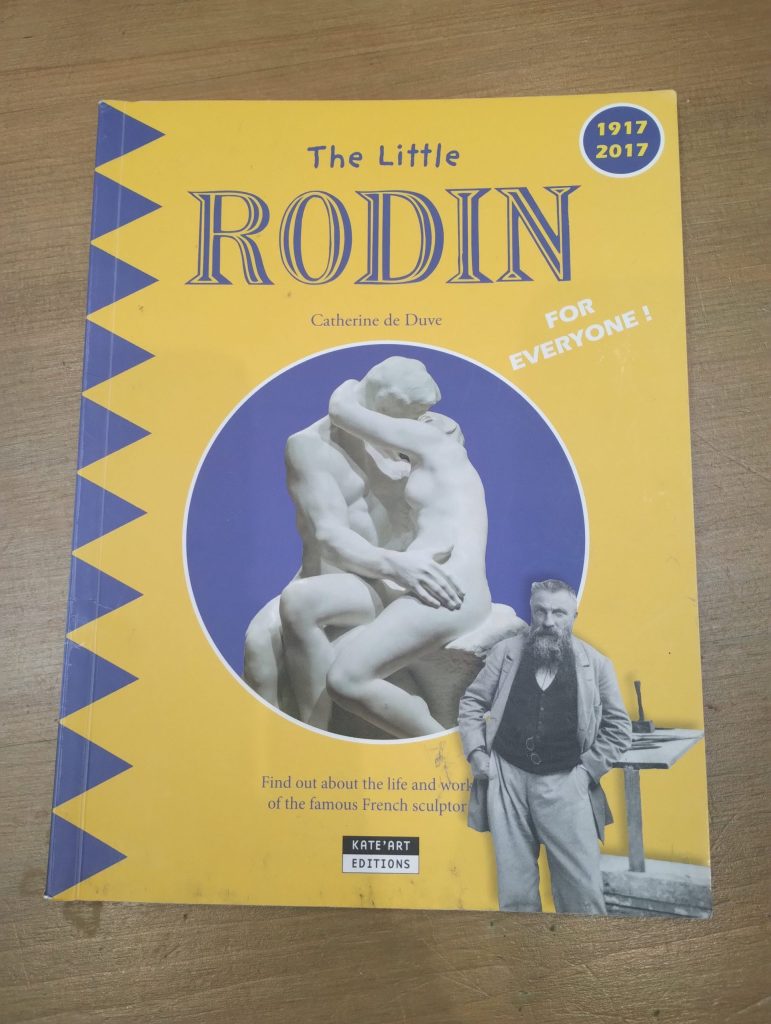
The Little Rodin
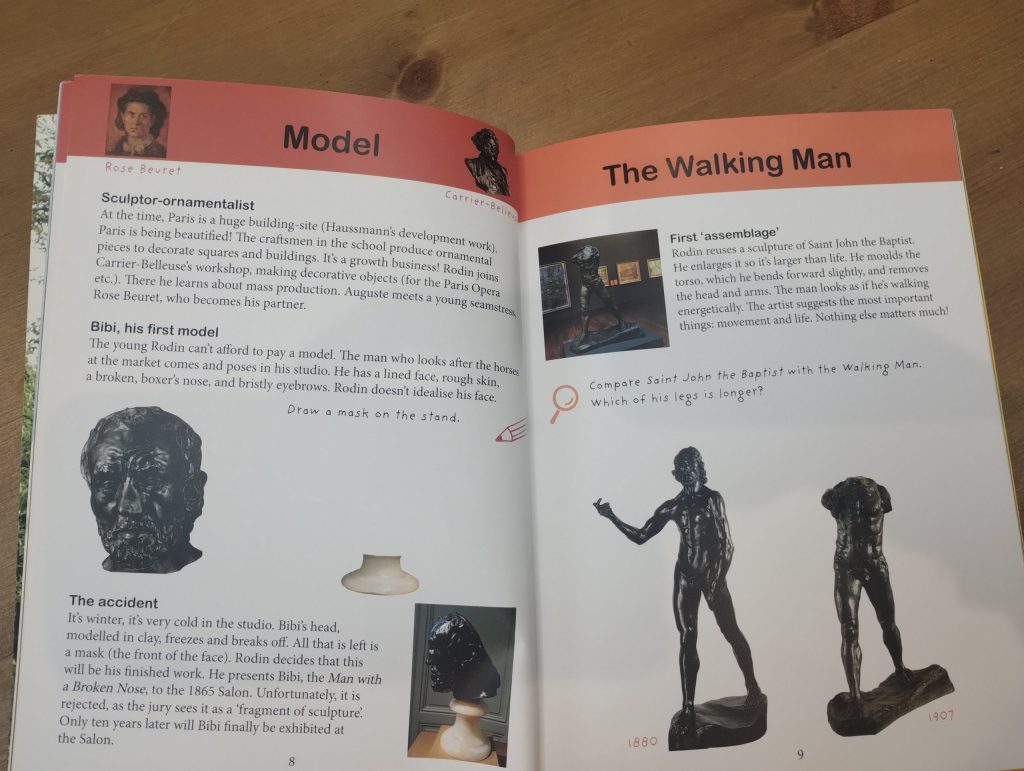
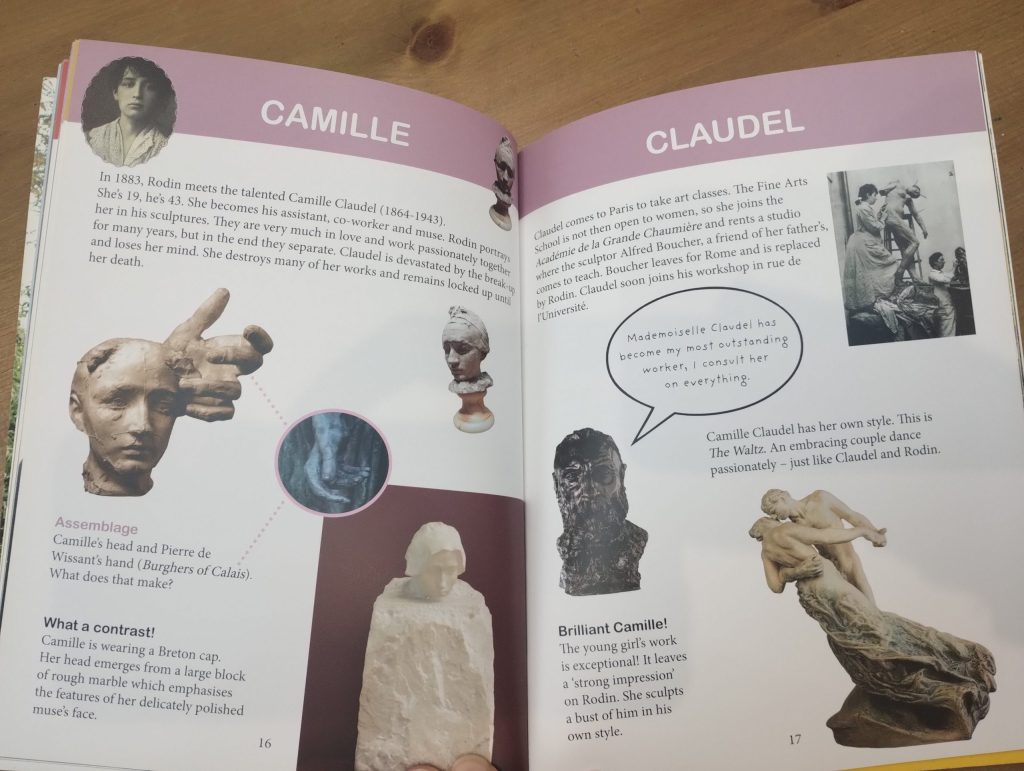
Catherine de Duve
This is a second option. I didn’t find it as helpful as the Richard Tames book above. The flow of the book feels very scattered, and it appears to have been translated for publication in English, not terribly well in my opinion. However, there is quite a bit of content here that is not in the Tames book. I have included a couple of page spreads to help you decide!
Georges Seurat
Katie and the Bathers
James Mayhew
Another book from James Mayhew’s Katie series, this time focussing on Pointillist artists. Katie jumps into different famous paintings and meets some of the characters. There are five paintings in this book, three of which are Seurat’s: Bathers at Asnieres, Sunday Afternoon on the Island of La Grande, Port of Honfleur. This is only a brief introduction, the book does not have a biographical element, and it only discusses Pointillism briefly on the final page.
(The book also covers Woman Hanging up the Washing by Pisarro and Portrait of Felix Feneon by Signac).

Joseph M.W. Turner
J. M. W. Turner
David Thomas
This is not a children’s book, but it is fairly accessible for children, at 24 pages long with lots of pictures and short passages of text. I would say that my children found this one harder to follow than the Constable book in the same series by the Medici Society. There are some excellent paragraphs, and it may be better to preread and be slightly selective about what you use. We tend to read a couple of pages each week alongside our picture study.
‘It is interesting to notice that John Constable, only a year younger than Turner, had by 1802 only just begun to exhibit his pictures at the Royal Academy. Turner, by his landscapes, sea-pieces and topographical works in oil and watercolour, had become wealthy and successful; the originality of his works was not, as with Constable, a bar to success’.
The book has many many illustrations. Here are some of the more famous of Turner’s works that are discussed: Fishermen at Sea, Frosty Morning, The Bay of Baiae with Apollo and the Sibyl, Messieurs les Voyageurs on their return from Italy, The Burning of the Houses of Lords and Commons, The Fighting Temeraire, Rain Steam and Speed.


Katie and the British Artists
James Mayhew
Two of the paintings in this picture book are by Turner: Rain, Steam and Speed and The Fighting Temeraire. This is not a biography, but it is a nice introduction to some famous British artists for younger children. Katie jumps into various paintings, and meets different characters in them. There are a couple of paragraphs only of biography and description of Turner’s paintings at the end of the book.
Other artists and works mentioned: The Cornfield (Constable), Whistlejacket (Stubbs), The Painter’s Daughters Chasing a Butterfly (Gainsborough).

Vincent Van Gogh
Great Artists Book 3 (Ladybird)
Dorothy Aitchison
A wonderful series of short artist biographies from Ladybird, this volume covers Van Gogh, Gauguin and Cezanne. Each page is illustrated with a watercolour, and several of the pictures incorporate Van Gogh’s works. The biography is sensitively done, but it does accurately reflect some of the sadder aspects of Van Gogh’s life. ‘They soon began to quarrel and Van Gogh threw a glass at Gauguin. He then followed Gauguin through the streets with an open razor. When Gauguin took refuge in a hotel, Van Gogh, in a frenzy, cut off part of his own ear and was taken to hospital.’
There is also a short explanation of his death by suicide.
Paintings referenced or illustrated: The Potato Eaters, Sunflowers, Yellow Chair, Fishing Boats on the Beach, Self-Portrait with Bandaged Ear, Portrait of Dr Gachet.
Katie and the Starry Night
James Mayhew
A good introduction to Van Gogh for younger children. In this picture book, Katie climbs into five of Van Gogh’s paintings and interacts with characters she meets there. There is one information page at the end of the book with a short biography of Van Gogh and a description of the subjects and artistic techniques used in the various paintings.
Paintings referenced: The Starry Night, Vincent’s Chair, Noon, The Olive Grove, Fishing Boats on the Beach.

Camille and the Sunflowers
Laurence Anholt
A lovely picture book story about Camille Roulin, the son of one of Van Gogh’s friends in Arles. The book is fictional, but somewhat based on real events whilst Van Gogh was staying in Arles. It includes illustrations of several of Van Gogh’s paintings.
Paintings referenced: Portrait of the Postman Joseph Roulin, La Berceuse, Portrait of Armand Roulin, The Schoolboy with Uniform Cap, Roulin’s Baby, The Starry Night, Sunflowers.

Jan Vermeer
Great Artists Book 1 (Ladybird)
Dorothy Aitchison
I really like this series of short biographies by Ladybird, and wish there were more of them! This volume covers Rubens, Rembrandt, and Vermeer. Every page is illustrated, and a good number of the watercolour sketches include Vermeer’s paintings, often a sketch of the artist in the process of painting, or of selling one of his works. Vermeer’s techniques such as the use of a camera obscura are discussed, and the book draws the reader’s attention to the typical pattern of light streaming from a high window to the left. There is also a page devoted to Van Meegeren’s forgeries.
Paintings shown or discussed: A Painter in his Studio, View of Delft, A Street in Delft, A Young Woman Standing at a Virginal, The Music Lesson, The Milkmaid.


Anna and Johanna
Geraldine Elschner and Florence Koenig
I’m not quite sure what I think of this one! The cover says that the book was inspired by Vermeer, and that is fair. It is neither a biography nor an overview of his paintings, but a picture story about two girls in Delft. The catalyst for events in the story was the explosion of a powder magazine in Delft in 1654.
The plotline is that twin baby girls were rescued from the ruins of a painter’s house, and adopted, one by a rich family, and the other by their servant. The children were not told that they were twins until adolescence, by which point their lives were very different, although they remained friends. The inspiration for the story was Vermeer’s paintings The Milkmaid and The Lacemaker.
This is probably a personal thing, but I found the plotline rather problematic. There is no clarification that the girls have been orphaned, and the separation of the twins whilst adults around them know the truth (admittedly not all adults at all points) seems to me very morally complicated, when I was looking for a book about Vermeer.