
Children’s books about architecture
We have recently been reading these books in our ‘morning circle’ as part of a weekly study of the history of architecture.
This post contains affiliate links. As an Amazon Associate, I earn from qualifying purchases.
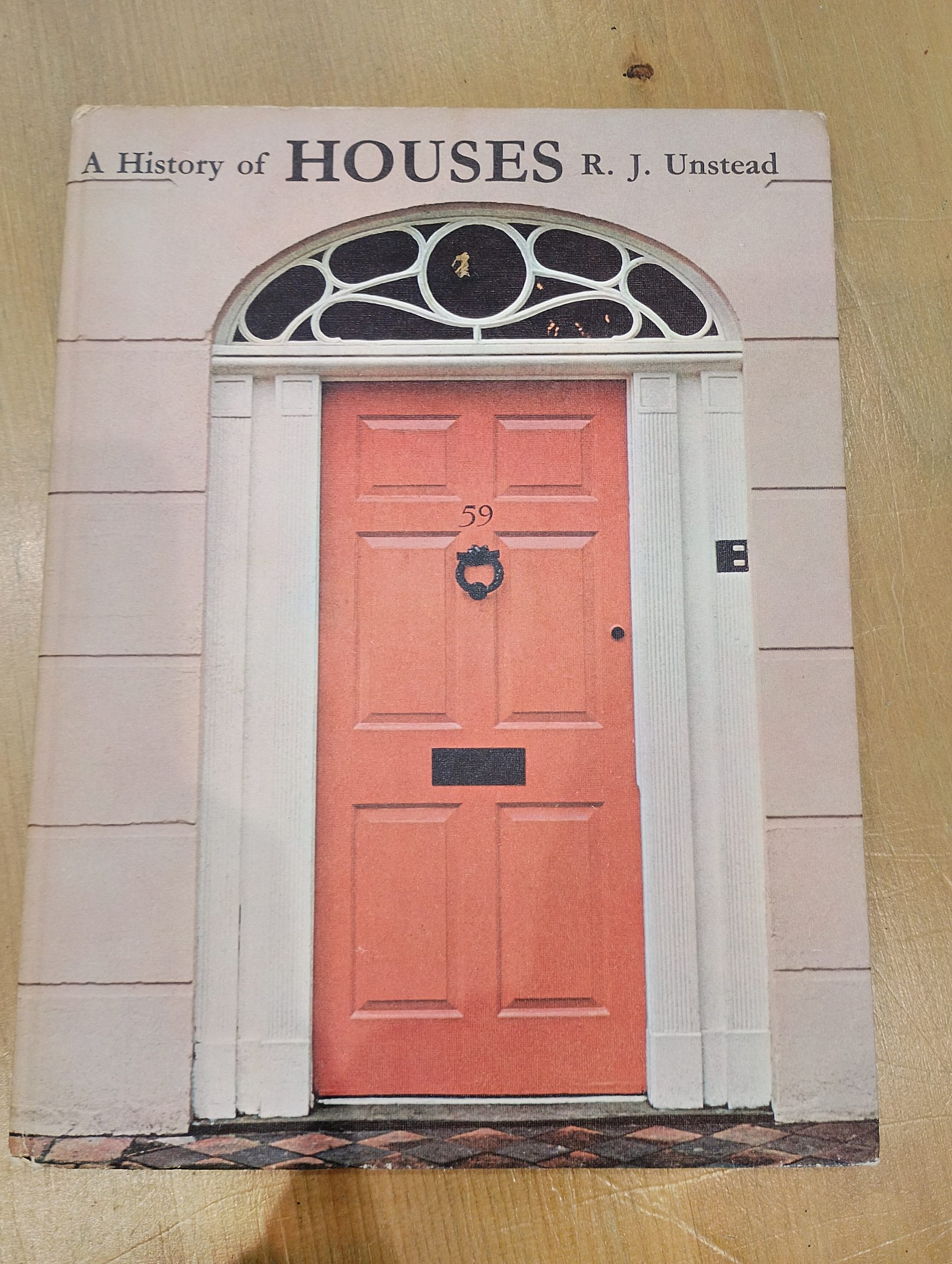
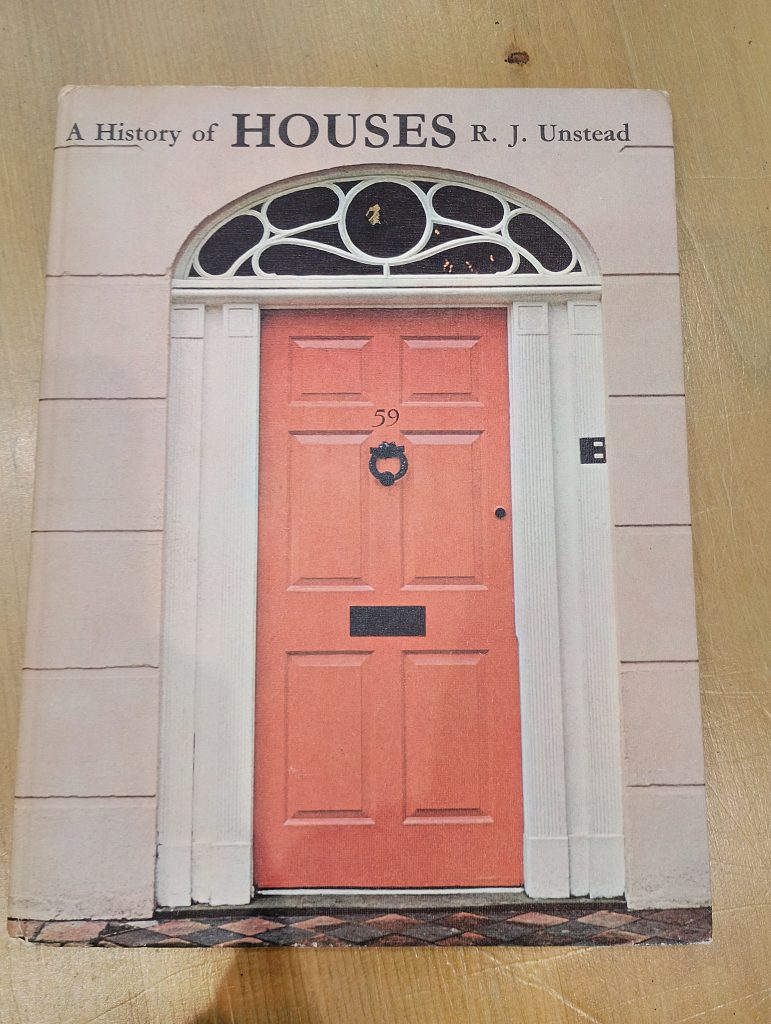
A History of Houses
R.J. Unstead
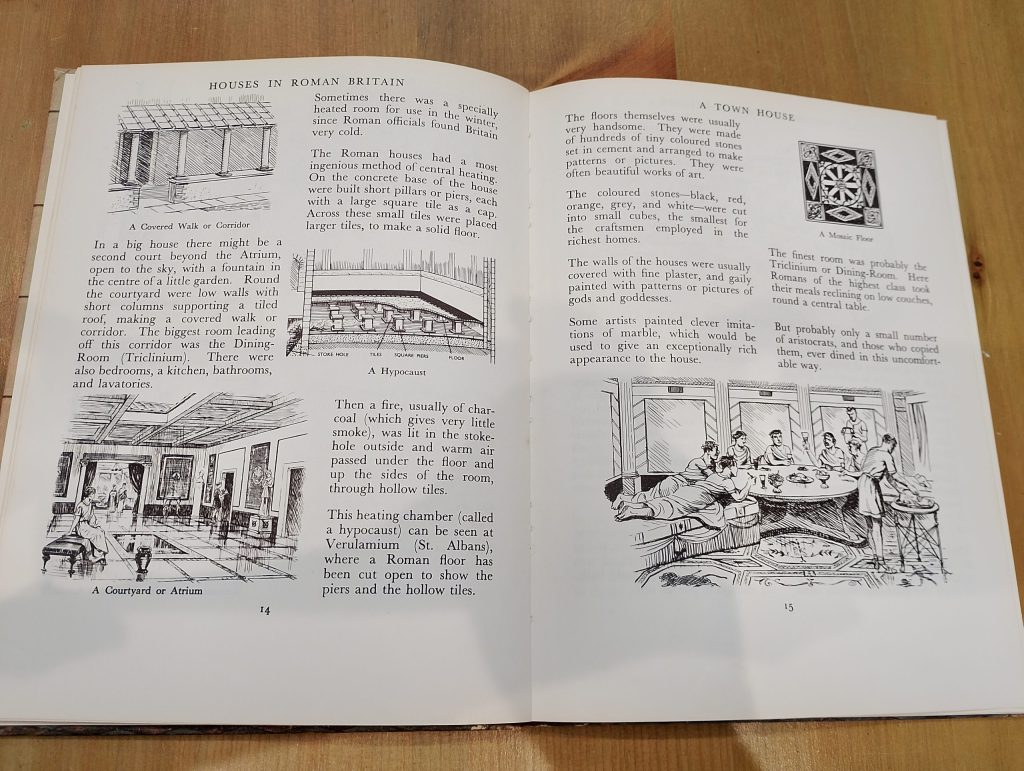
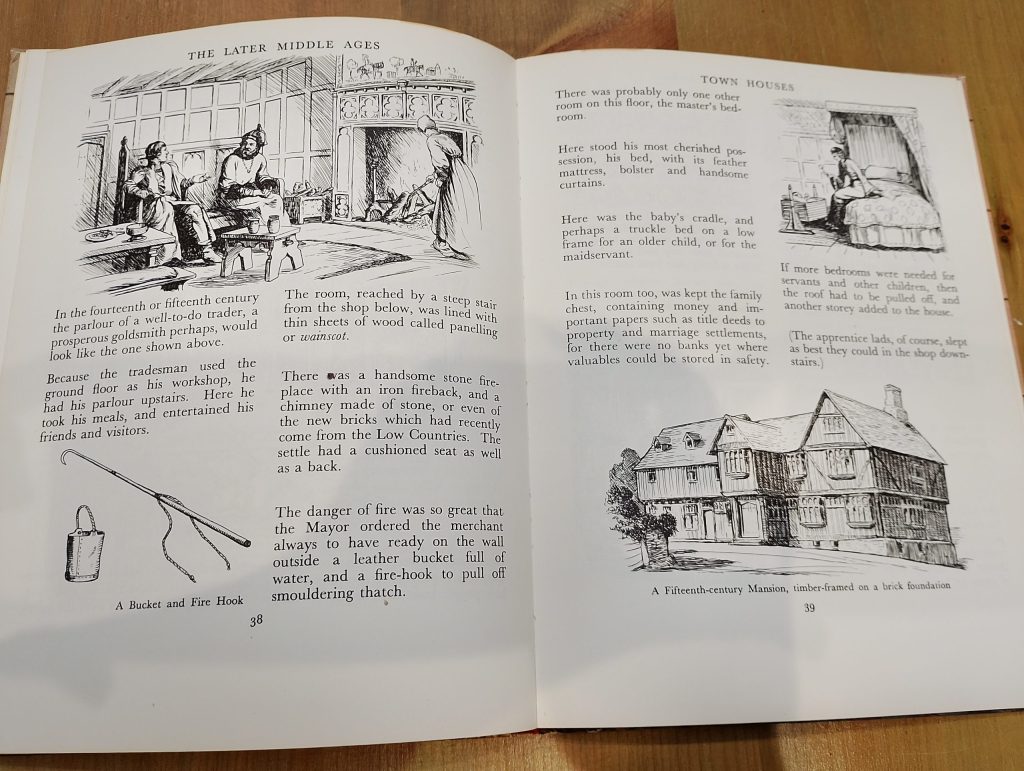
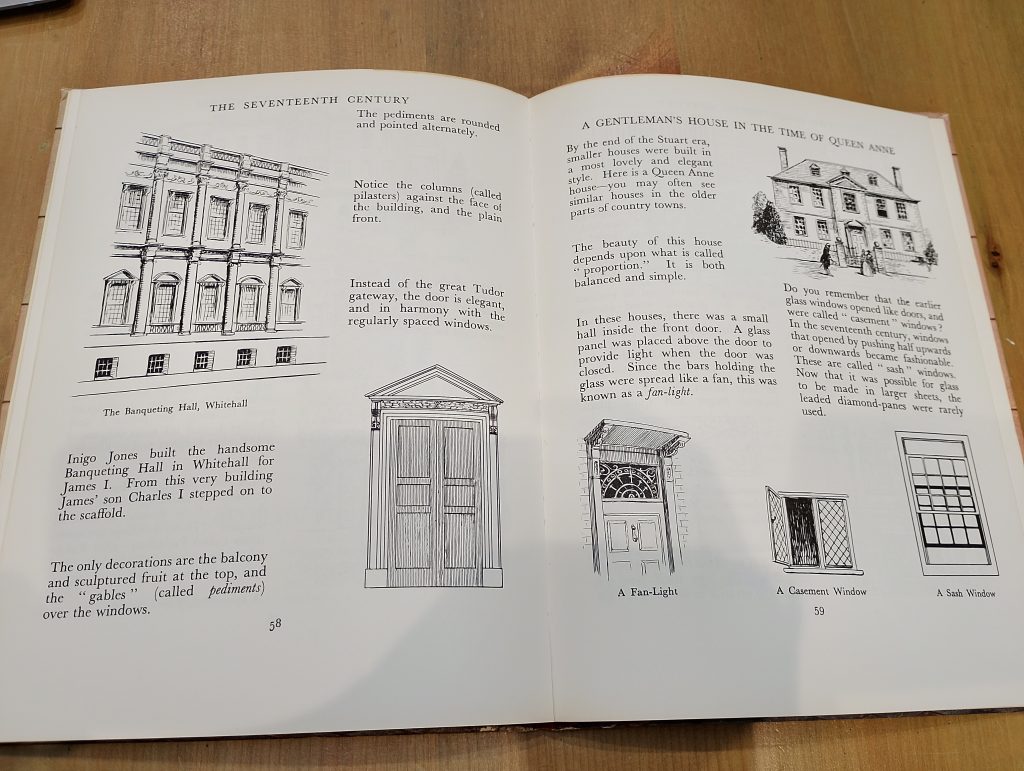
We really enjoyed this volume from Unstead. It is fairly short, at about 80 pages long, with plenty of line drawn illustrations on every page. It covers the history of British houses from the Stone Age until the twentieth century, including construction methods and materials. For most periods there are descriptions of the houses of both the rich and the poor. We were particularly interested to see the development of fireplaces and chimneys over time, and how heating proved very important in the design of rooms and buildings. As the book progresses, there is also some coverage of the development of furniture. We were all very engaged by this book, and learned many new things. It does not cover formal architecture per se, but gives one plenty to think about when looking around a castle or stately home.
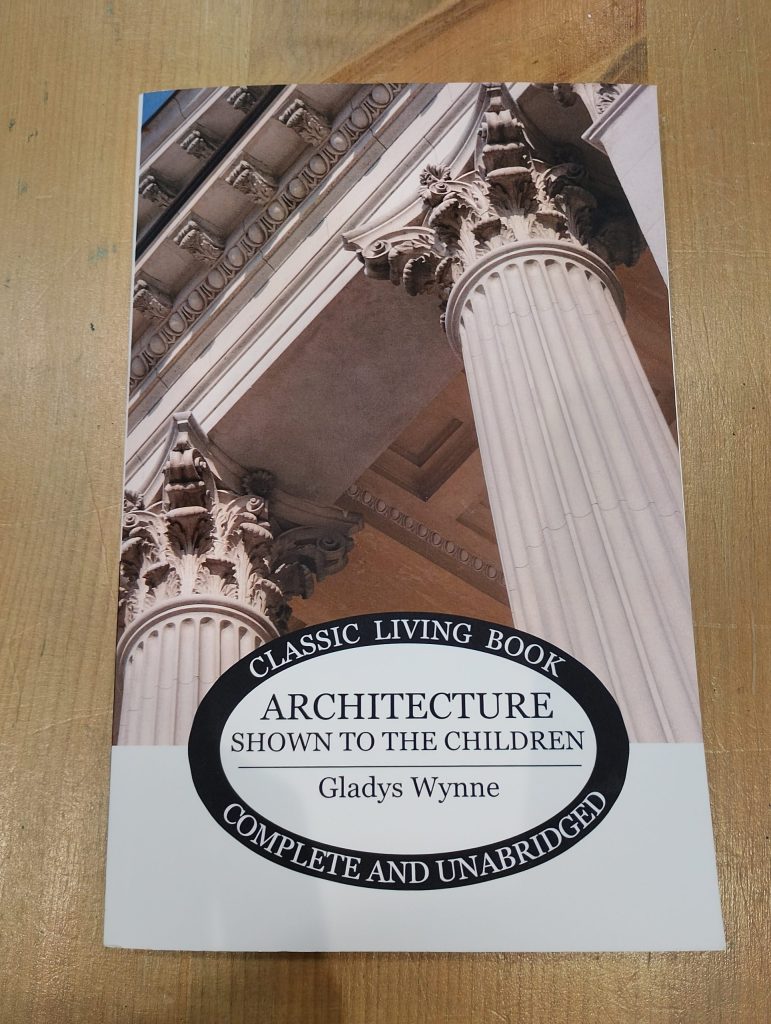
Architecture Shown to the Children
Gladys Wynne
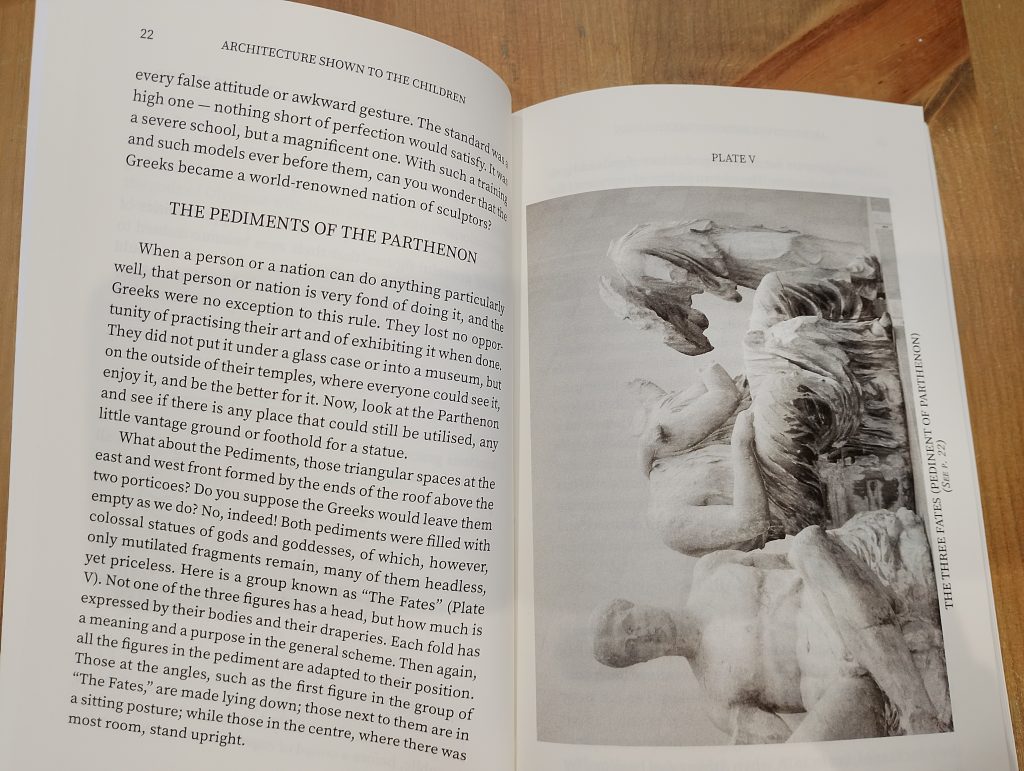
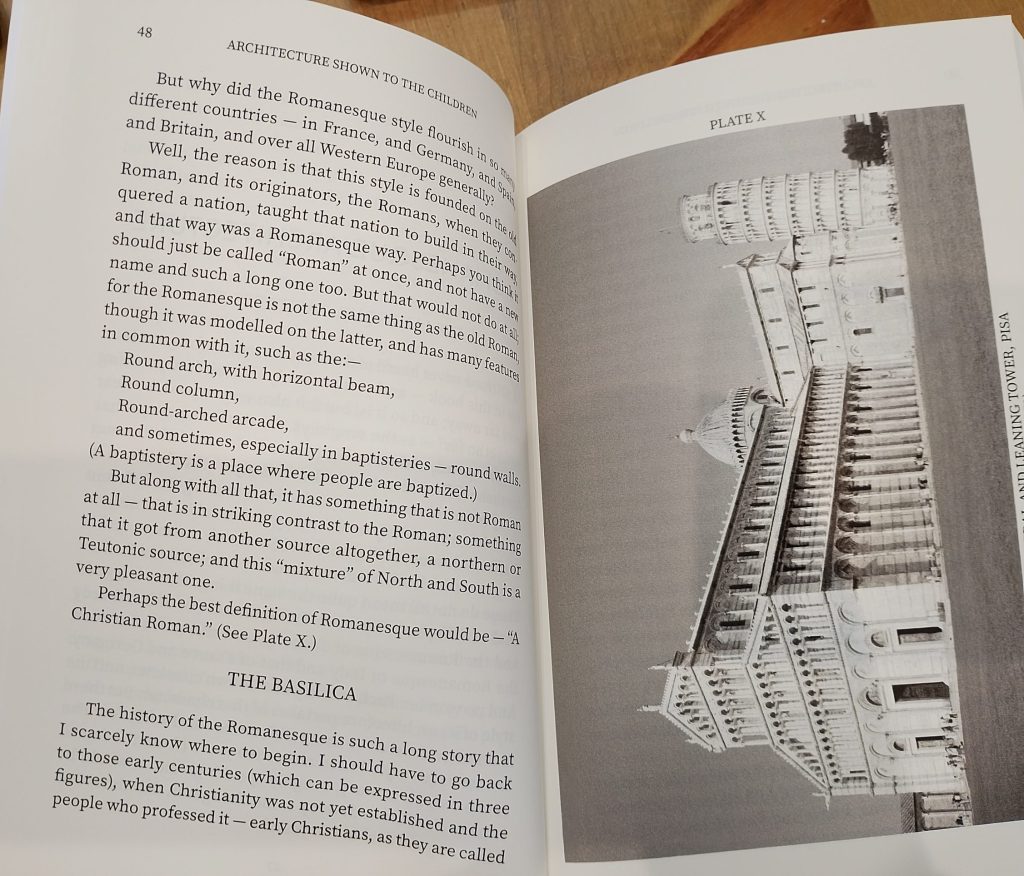
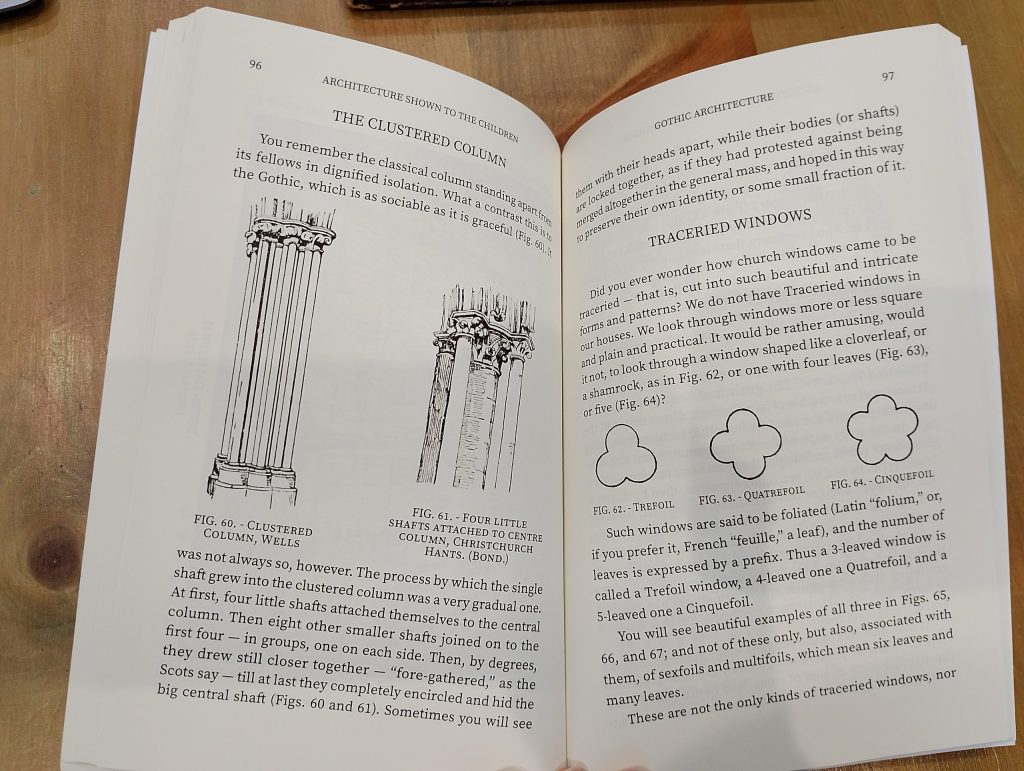
This is an older book, first published in 1913. I came across it recommended by Charlotte Mason enthusiasts, as a good choice for covering architectural history with children. It begins with the Ancient Greeks and the Parthenon, and continues through Roman, Byzantine, Romanesque, Norman, Gothic and Renaissance architectural styles. There are quite a number of full page photographs in our edition (Living Book Press), and the original line drawings. I was expecting the photographs to be in colour, but I suspected our edition was not printed by Living Book Press themselves but outsourced to a UK printer, and our edition has black-and-white photographs, which was a slight disappointment.
We did not enjoy this book as much as I had expected. The text is florid, and I found myself skipping some sections as extraneous. The pinnacle of architecture, per the author, was the Greeks, and everything subsequent is essentially imitation! I was hoping we would at least learn and apply some architectural terms, but I am not sure that our retention was as good as it could have been. One of my children did mention that it had changed the way they looked at local buildings, trying to spot the influence of different styles.
Two other ideas which I have not used are Young People’s Story of Architecture by V.M. Hillyer and The Architecture Pop-Up Book by Anton Radevsky. The Hillyer book is another Charlotte Mason style recommendation. The Radevsky book looks rather quirky, but has really quite a number of important buildings in pop-up form, and I think it could be a good addition to Architecture Shown to the Children to help them to better visualise what is being described. It also includes a broader range of architectural styles and influences such as the pyramids and the Taj Mahal.


