Figuratively Speaking curriculum: lesson plans to incorporate classic literature and poetry
This post contains affiliate links. As an Amazon Associate, I earn from qualifying purchases.
Figuratively Speaking is a curriculum designed to teach 40 common literary terms through short lessons and activities, with examples from classic literature. Figuratively Speaking is published by The Learning Works, and has excellent reviews. I was excited about using this curriculum with my child, but I wanted to increase the depth of our first literature study by incorporating some full-length classic books. I also hoped to shift the focus more towards British literature and poetry. We had a fantastic year studying literature using Figuratively Speaking, and it was one of my child’s favourite subjects.
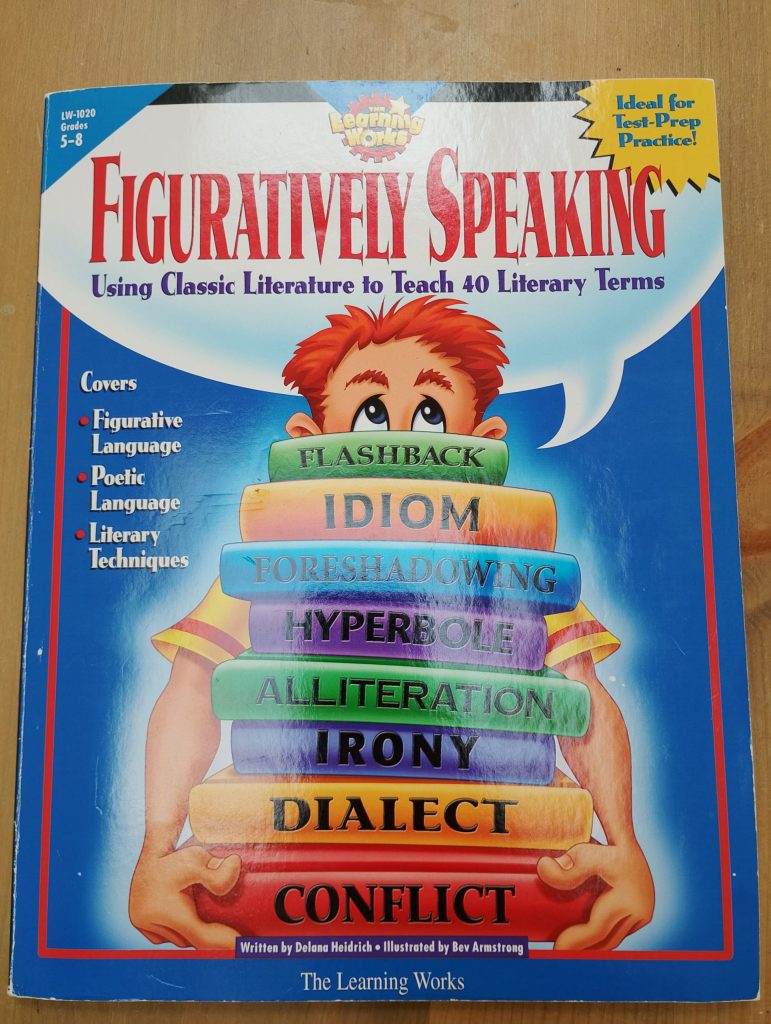
The full-year plan below is quite a long document, so I have included some links to different sections to help you find your way around. Figuratively Speaking is intended for students in grades 5-8, and my child was at the younger end of this range, so we covered a lot of material orally, saving writing mostly for creative pieces. It would certainly be possible to include more written analysis if preferred.
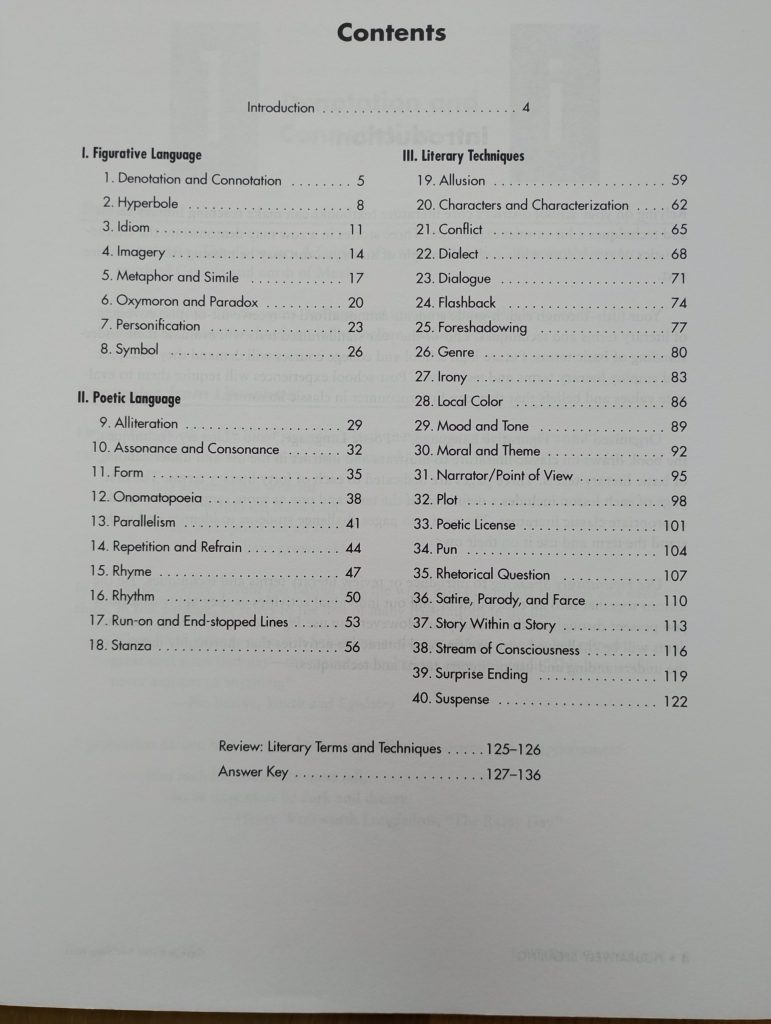
Typically we covered one literary term per week, across two sessions, covering discussion, reading and sometimes a written project. We did not always complete every suggested activity within a lesson, just those that looked interesting to us. Sometimes we only needed one session to complete the lesson, so that we were able to finish the book within an academic year with some time to spare.
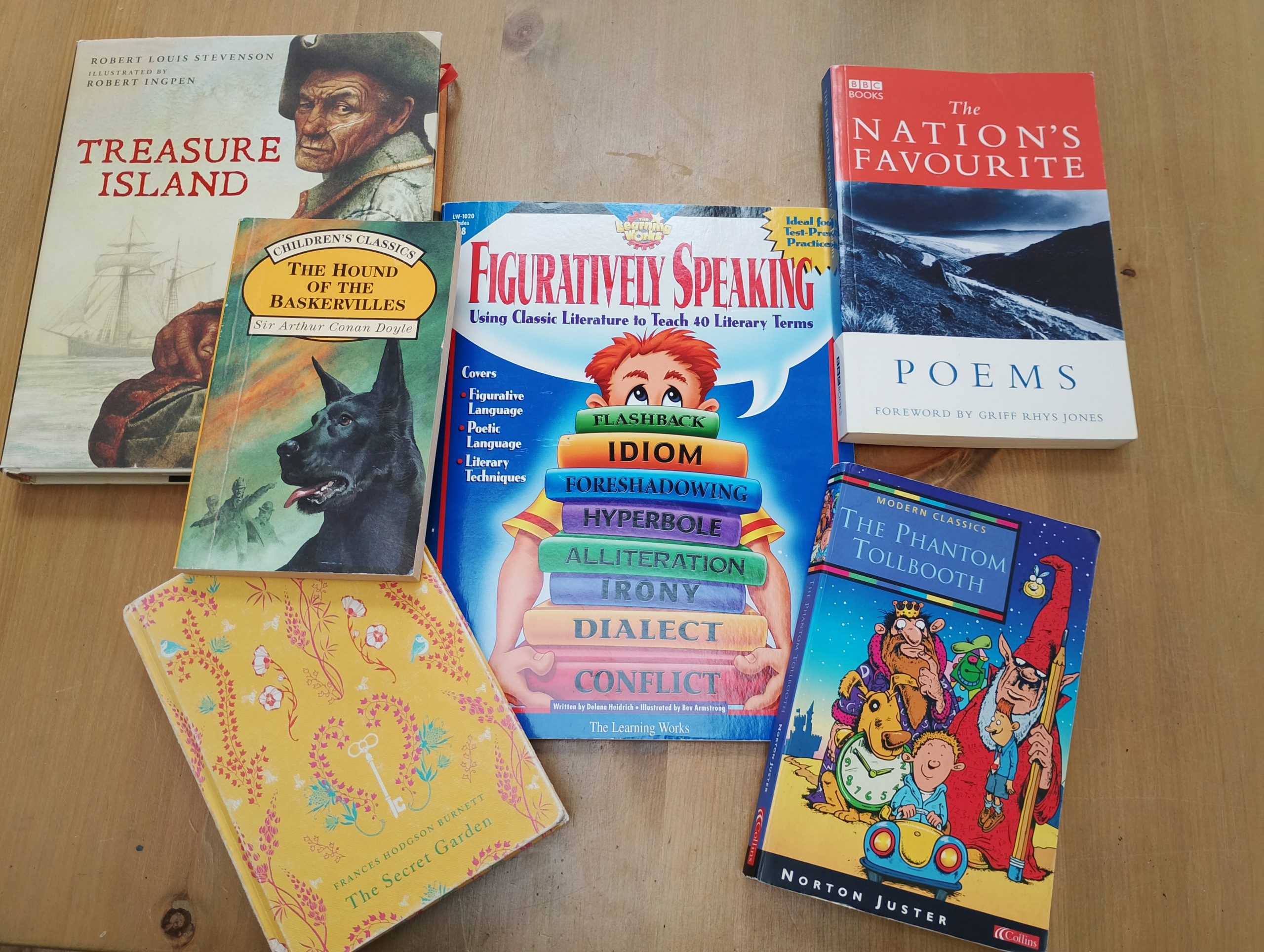
- Block 1: Treasure Island
- Block 2: Poetry Macrostructure
- Block 3: The Phantom Tollbooth
- Block 4: Poetry Microstructure
- Block 5: The Secret Garden
- Block 6: Famous Speeches
- Block 7: The Hound of the Baskervilles
- Block 8: Wrap-Up Unit
Block 1: Treasure Island
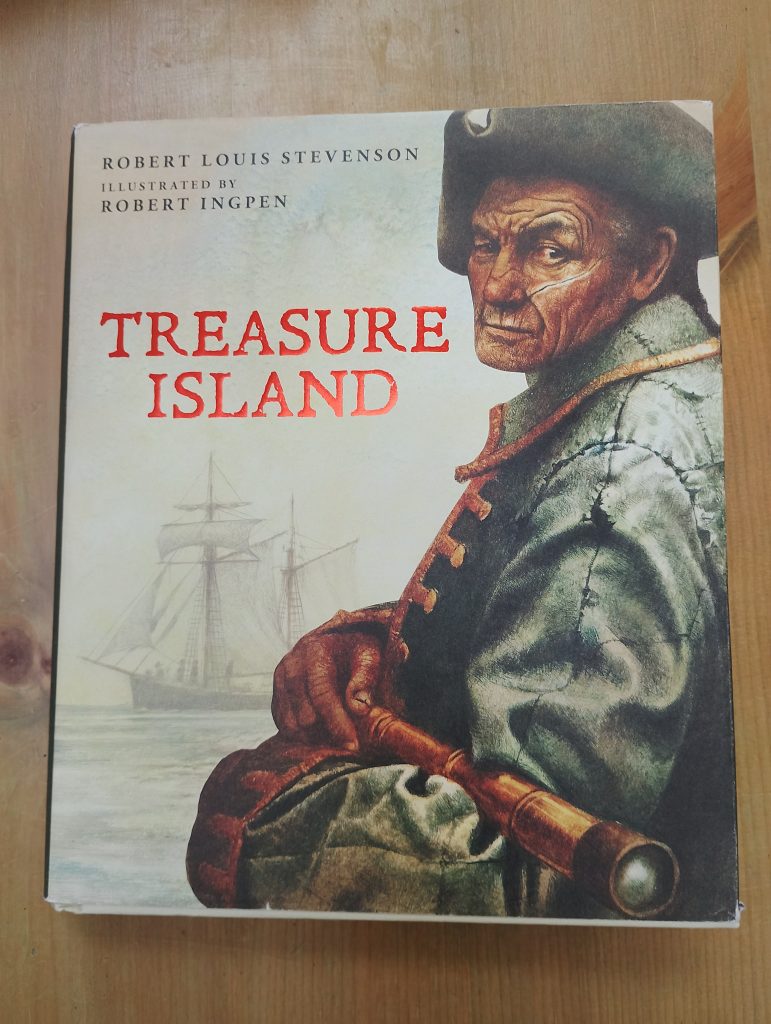
We really enjoy the illustrated edition with paintings by Robert Ingpen. There are both an unabridged edition and a quite heavily abridged edition with Ingpen illustrations, so take care that you are purchasing the one which you prefer.
4. Imagery
- Read Chapter 1 of Treasure Island
- Discuss this C.S. Lewis quote: In writing. Don’t use adjectives which merely tell us how you want us to feel about the thing you are describing. I mean, instead of telling us a thing that was “terrible,” describe it so that we’ll be terrified. Don’t say it was “delightful”; make us say “delightful” when we’ve read the description. You see, all those words (horrifying, wonderful, hideous, exquisite) are only like saying to your readers, “Please will you do my job for me.”
- Write a descriptive paragraph about one of the suggested experiences on p16, or one of your own choosing.
- Read Chapters 2-3 of Treasure Island in preparation for next week.
25. Foreshadowing
- Discuss foreshadowing in Chapters 2-3 of Treasure Island
- In Chapter 1, we get Jim’s wild dreams about a one-legged pirate. Chapter 3 would be a good place to talk about foreshadowing because we get the Black Spot.
- Discussion of Lesson 25 Foreshadowing.
- Writing exercise as suggested in Lesson 25 on p79.
- Read Ch4-6 of Treasure Island in preparation for next week.
20. Characters and Characterisation
- Chapter 6 is helpful for looking at Characterisation, because it has the contrast between the Squire (hot-headed) and Dr Livesey (calmer).
- Discussion of Lesson 20 Characterisation
- Writing exercise: create a character, and write a paragraph in which his character is revealed by various of the strategies suggested in Lesson 20. If easier, do a protagonist and an antagonist reacting to one another.
- Read Ch7-15 of Treasure Island in preparation for next week.
5. Simile and Metaphor
- Look for similes and metaphors in Chapters 14 and 15.
- Discussion of Lesson 5 Simile and Metaphor (no written exercise this week).
- Read Ch16-18 of Treasure Island in preparation for next week.
31. Narrator/Point of View
- Discussion of Lesson 31. Narrator/ Point of View
- Chapters 16-18 are narrated by Dr Livesey, so this is a good opportunity to discuss a shift in the narrator as a literary device.
- Discuss books we have read written from different points of view. How does that affect how you view the story?
- Read Ch19-21 of Treasure Island in preparation for next week.
21. Conflict
- Discussion of Lesson 21. Conflict. There is extensive conflict in this section of Treasure Island!
- Written exercise suggested on p67.
- Read Ch22-end of Treasure Island in preparation for next week.
32. Plot
- Discussion of Lesson 32. Plot. On p98 there is a description of a common plot structure. Discuss how we see these various plot elements in Treasure Island.
19. Allusion
- Discussion of Lesson 19. Allusion.
- Discuss: How does Arthur Ransom use allusion to Treasure Island in Swallows and Amazons and to Farthest North in Winter Holiday? (NB: these are books that we know very well. They make extensive allusion to older classic literature. For example, the Amazon pirates’ uncle is known as Captain Flint, he is tipped the black spot, his treasure is taken and buried on a lake island. Allusion could be incorporated elsewhere within the year’s study to connect to books with which your student has good familiarity).
- Writing exercise: Write some short paragraphs on the examples of allusion we have discussed within these books.
Block 2: Poetry Macrostructure
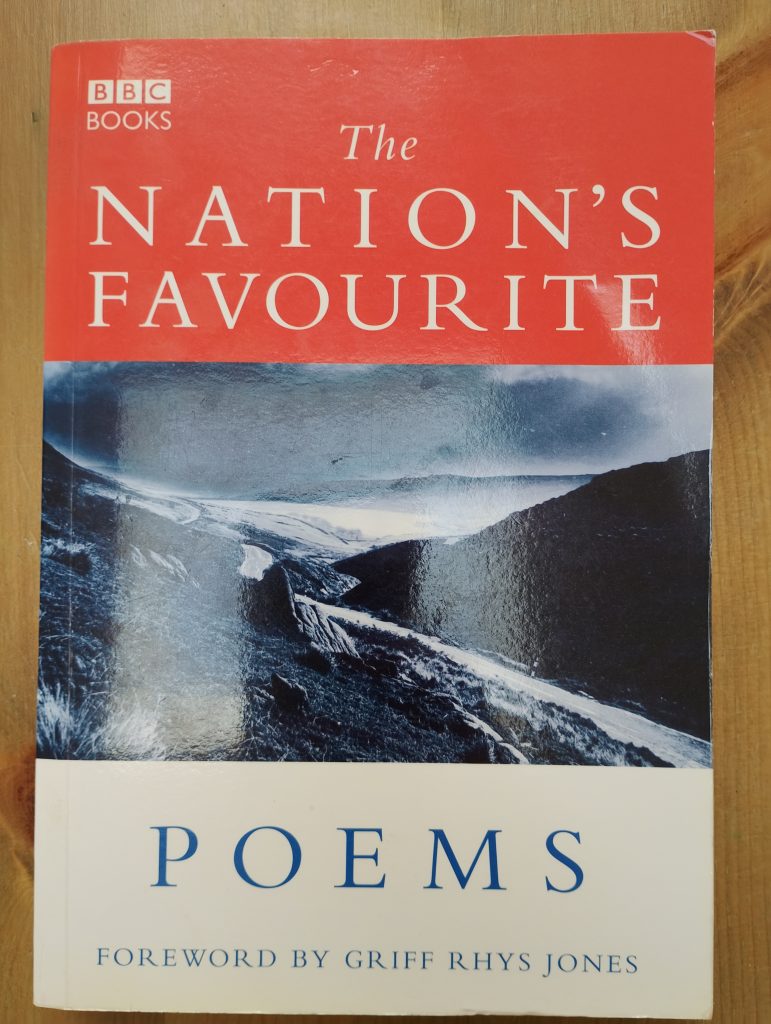
We used The Nation’s Favourite Poems (BBC Books) as an anthology including many of these poems, and printed out others as required.
15. Rhyme
- Discussion of Lesson 15. Rhyme.
- Look through The Nation’s Favourite Poems together and jot down some different rhyming structures on the whiteboard.
- Writing exercise: write a stanza of poetry with a rhyming structure of your choice.
16. Rhythm
- Discussion of Lesson 16. Rhythm, including clapping the beats.
- Look at Iambic pentameter in the Prologue to Romeo and Juliet.
- Review rhythm in Sea Fever, The Highwayman, and Tarantella.
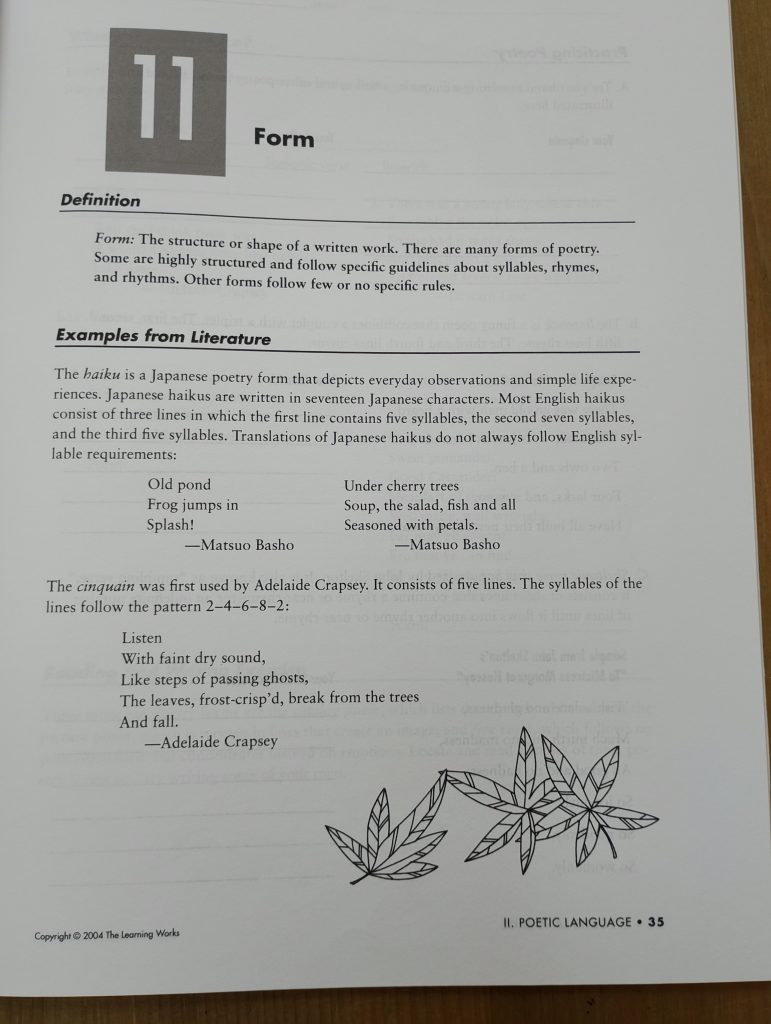
11. Form
- Discussion of Lesson 11. Form.
- Read some Edward Lear limericks.
- Writing exercise: Choose two forms of poem to write out of haiku, limerick, cinquain.
- Read Cool Melons – Turn to Frogs (this is a book about the Haiku poet Issa).
18. Stanza
- Brief discussion of Lesson 18. Stanza. I didn’t think stanzas were very interesting, so took the opportunity to discuss sonnets as well! Petrarchan, Shakespearean and Spenserian sonnets.
- Read some Shakespearean sonnets, including 116 and 130. Also How Do I Love Thee? (Elizabeth Barrett Browning). Discuss their rhyming patterns.
Block 3: The Phantom Tollbooth
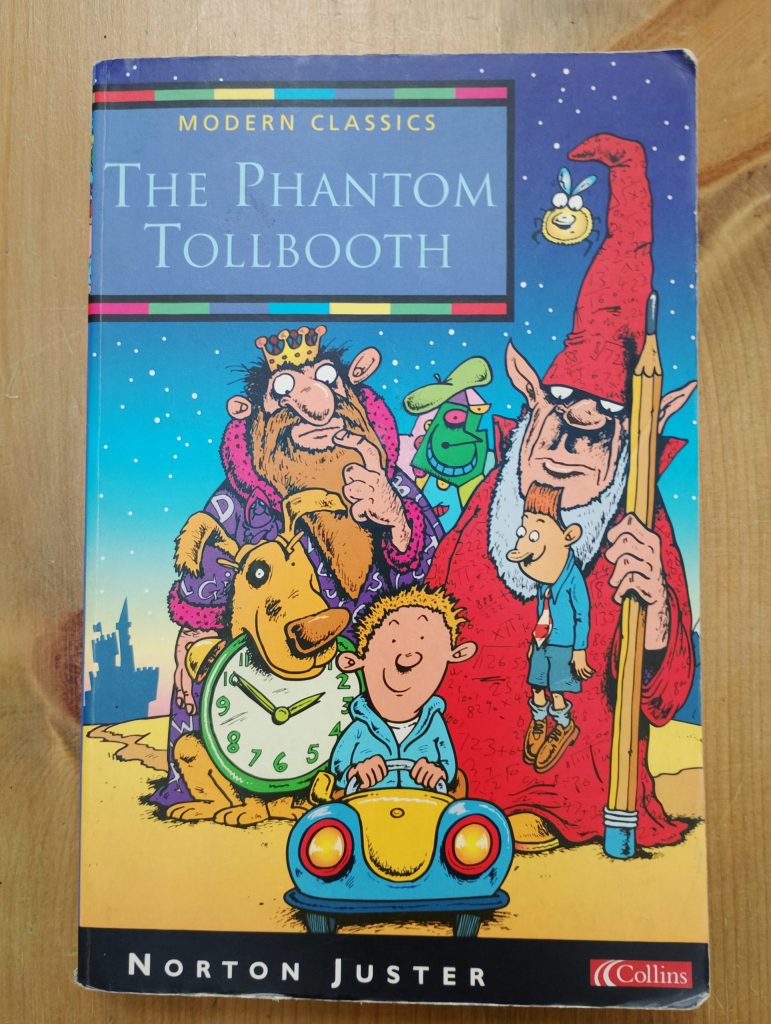
My student had a lot of fun with this classic book!
34. Pun
- Read Ch1-6 of The Phantom Tollbooth. There are a number of puns in the names of characters in the first few chapters, particularly the Weather Man, the Witch and the Watchdog.
- Discussion of Lesson 34. Pun.
- Read Ch7-8 of The Phantom Tollbooth in preparation for next week.
3. Idiom
- Discussion of Lesson 3. Idiom. There are many idioms in Chapter 7 of The Phantom Tollbooth, and also some in Chapter 8.
- Read Ch9-17 of The Phantom Tollbooth in preparation for next week.
36. Satire, Parody and Farce
- Discussion of Lesson 36. Satire, Parody and Farce. Chapter 17 of The Phantom Tollbooth is helpful here, it is about bureaucracies. Some of these ideas may be outside the life experience of younger students.
- Read Ch18-end of The Phantom Tollbooth in preparation for next week.
6. Oxymoron and Paradox.
- Discussion of Lesson 6. Oxymoron and Paradox. I did not specifically apply this to The Phantom Tollbooth, but I think it fits well here as a concept. I did not I really agree with the Figuratively Speaking definition of paradox, and so we largely discussed famous paradoxes.
- This list of paradoxes was a helpful starting point: https://www.mentalfloss.com/article/59040/10-mind-boggling-paradoxes#inline-text-2
Block 4: Poetry Microstructure
9. Alliteration
- Discussion of Lesson 9. Alliteration.
- Look at some Gerard Manley-Hopkins poems, especially The Wind-Hover and Pied Beauty.
- Writing exercise: part A on p31. We worked on this together.
10. Assonance and consonance
- Discussion of Lesson 10. Assonance and consonance.
- Look together for examples of assonance in Wilfred Owen’s poems, especially Exposure.
12. Onomatopoeia
- Read The Pied Piper of Hamlin by Robert Browning.
- Discussion of Lesson 12. Onomatopoeia.
- Look for Onomatopoeia in The Pied Piper and Anthem for Doomed Youth (Wilfred Owen).
14. Repetition and Refrain
- Discussion of Lesson 14. Repetition and Refrain.
- Look at A Red Red Rose (Robbie Burns) for repetition, and The Charge of the Light Brigade (Alfred Lord Tennyson) for refrain.
2. Hyperbole
- Discussion of Lesson 2. Hyperbole, including the pros and cons.
- A Red, Red Rose – Robert Burns
- How do I love thee? Let me count the ways
- Sonnet 130 (as an antidote!)
- Writing exercise: the hyperbolic story exercise on p10 is fun.
29. Mood and Tone
- Discussion of Lesson 29. Mood and Tone.
- Look at the mood and tone in Sonnet 116 and Sonnet 130.
7. Personification
- Discussion of Lesson 7. Personification
- Look at personification in Sonnet 60 and 1 Corinthians 13.
- Writing exercise: write a short paragraph or poem personifying an object or idea.
1. Denotation and Connotation
- Discussion of Lesson 1. Denotation and Connotation.
- Look for connotations in Fire and Ice (Robert Frost).
Block 5: The Secret Garden
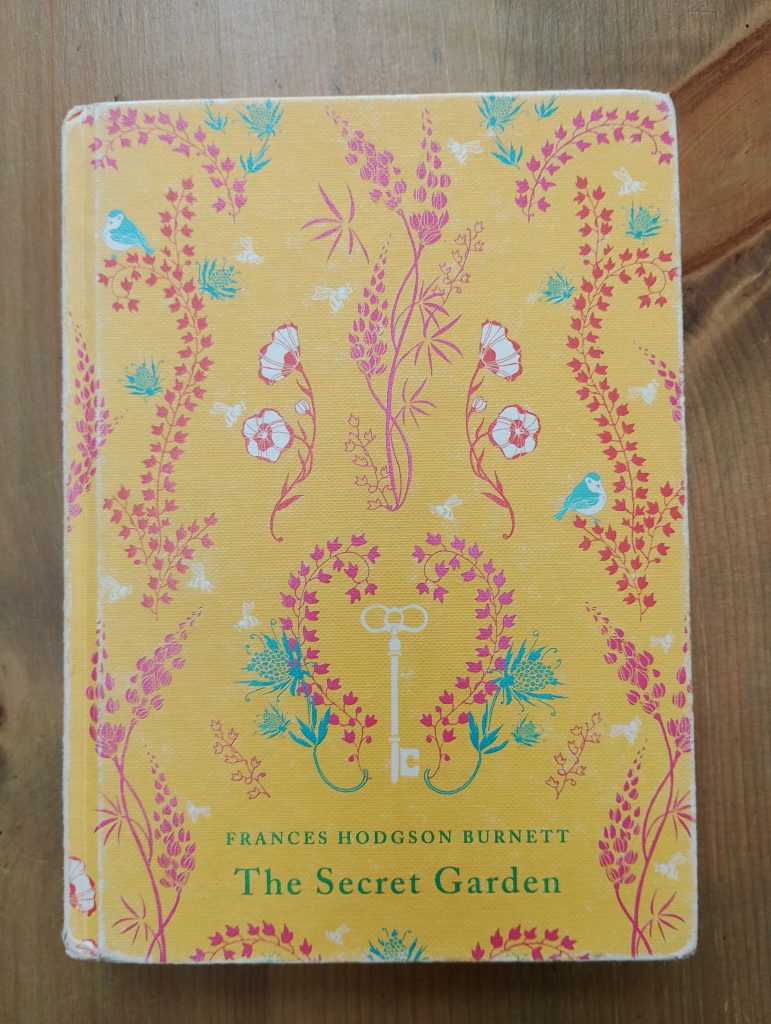
This beautiful children’s story has wonderful local colour from the English county of Yorkshire, including rich use of dialect and vivid descriptions of the moorland.
22. Dialect
- Read Chapters 1-4 of The Secret Garden.
- Discussion of Lesson 22. Dialect (we made limited use of the specific details of this lesson because we were focussing more on British dialect examples).
- Talk about the use of Dialect in British literature (e.g. Swallows and Amazons) and class connotations. Talk about which characters talk in dialect in The Secret Garden, and why that is.
- Talk about the sensitivity of dialect in American literature.
- Read Chapters 5-8 of The Secret Garden in preparation for next week.
28. Local colour
- Discussion of Lesson 28. Local Colour. Talk about the local colour of Yorkshire in The Secret Garden.
- Writing exercise: try to write a couple of paragraphs of a story giving local colour about the region where you live, or a place you have been on holiday.
- Read Chapters 9-18 of The Secret Garden in preparation for next week.
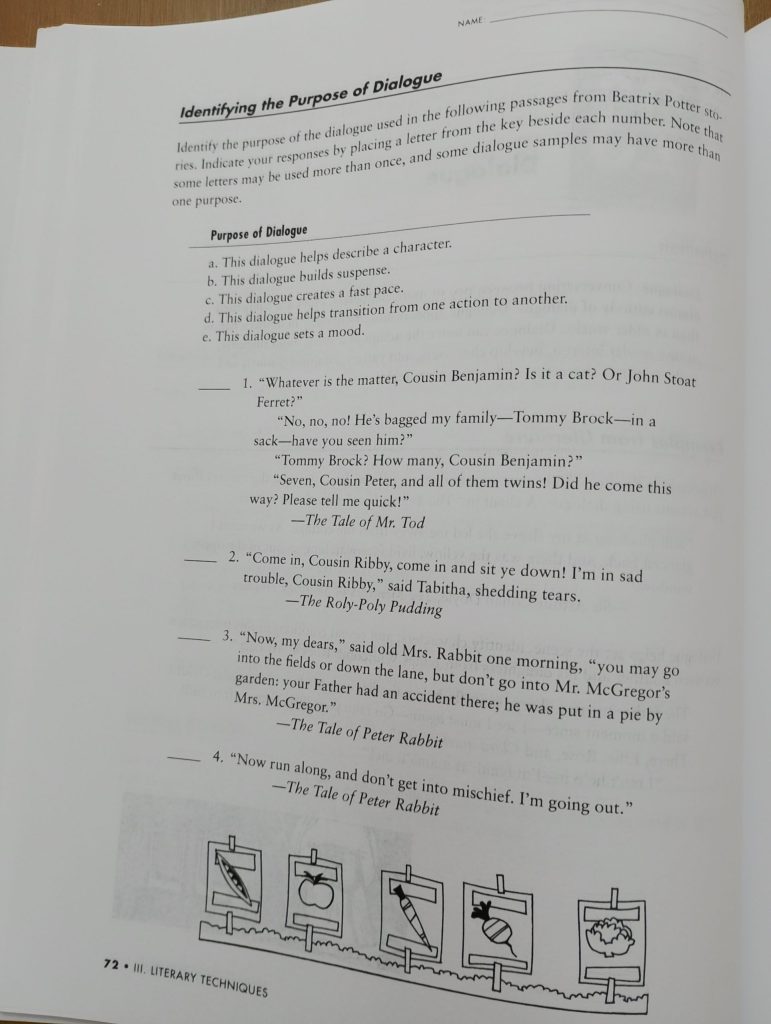
23. Dialogue
- Discussion of Lesson 23. Dialogue.
- Talk about dialogue in The Secret Garden, how dialogue moves the story and Mary’s thinking forwards.
- Writing exercise: write a good sentence for each of 4-5 different ways in which dialogue is used in The Secret Garden. Discuss and plan together first.
- Read the rest of The Secret Garden (this may require an additional week devoted to reading).
30. Moral and Theme
- Discussion of Lesson 30. Moral and Theme.
- Talk about the themes of The Secret Garden. E.g. loneliness, healing, the power of nature.
- Writing Exercise: A paragraph about the theme of healing in the Secret Garden, for Mary and for Colin.
8. Symbol
- Discussion of Lesson 8. Symbol.
- Talk about symbols in The Secret Garden.
- Add further details to your written exercise from last week, explaining how the garden is both a symbol of healing, and a route to healing.
Block 6: Famous Speeches
17. Run on and end-stopped lines
- Discussion of Lesson 17. Run on and end-stopped lines.
- Use the St Crispin’s Day speech (from Henry V), reading aloud together, to practice this skill. We went through the whole speech, and redid some of the difficult sections. Then we listened to Kenneth Branagh’s performance in the film version!
13. Parallelism
- Discussion of Lesson 13. Parallelism.
- Look at Parallelism in Churchill’s speeches (We Shall Fight Them on the Beaches, Finest Hour, The End of the Beginning) and Tyger, Tyger (William Blake).
35. Rhetorical Question
- Discussion of Lesson 35. Rhetorical Question. The exercises in the book were more challenging than usual, and needed some time and thought.
- Find examples of rhetorical questions in Romans Chapter 8. Discuss their usage.
33. Poetic Licence
- Discussion of Lesson 33. Poetic Licence.
- Watch the opening scene of Richard III from The Hollow Crown. https://www.youtube.com/watch?v=gOp7_j0EEko
- Look at the text of Richard’s speech, and discuss the portrayal of Richard vs. historically known information, with particular reference to the princes in the tower.
- Look at ‘Friends, Romans, Countrymen’ from Julius Caesar and find the places where the speech breaks with iambic pentameter.
Block 7: The Hound of the Baskervilles
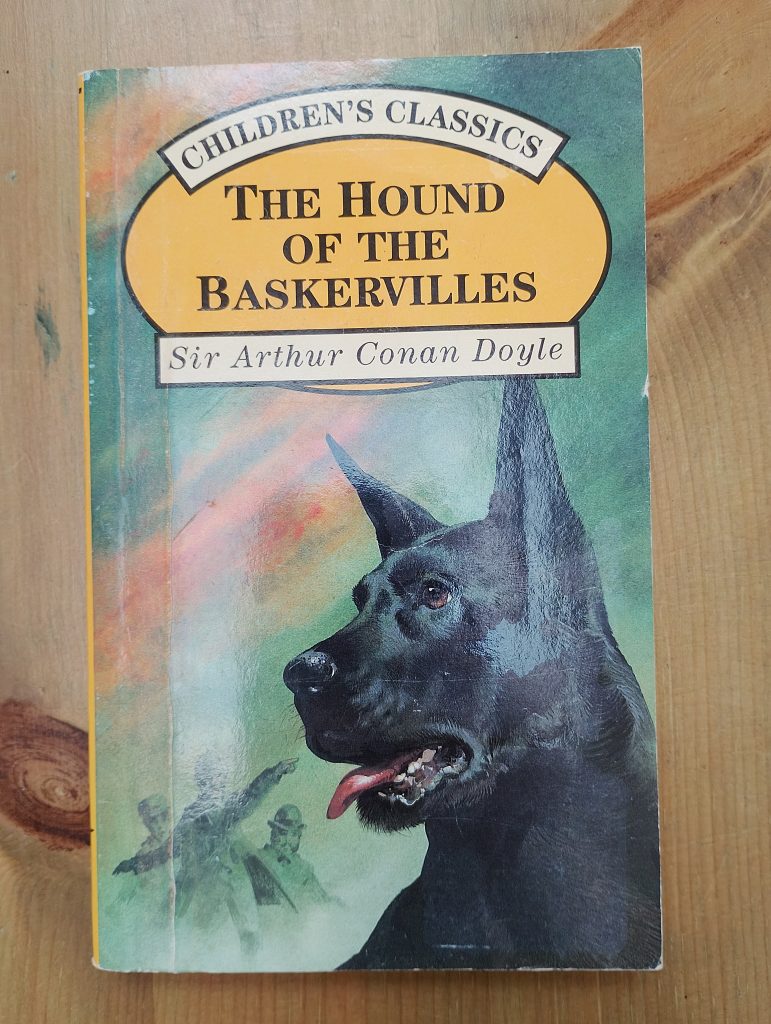
24. Flashback
- Read Chapters 1-2 of The Hound of the Baskervilles.
- Discussion of Lesson 24. Flashback
- Discuss whether the beginning of The Hound of the Baskervilles is a flashback, or a story within a story.
- Talk about flashbacks in Harry Potter.
- Writing exercise: Write a few lines describing one flashback scene in Harry Potter, and the reason for including it, or describe the function of the Pensieve.
- Read Chapters 3-9 of The Hound of the Baskervilles in preparation for next week.
40. Suspense
- Discussion of Lesson 40. Suspense. This was a shorter lesson.
- Look for suspense in The Hound of the Baskervilles together.
- Read Chapters 10-12 of The Hound of the Baskervilles in preparation for next week.
27. Irony
- Discussion of Lesson 27. Irony. I didn’t think much of some of the examples of irony given here, so we discussed some examples of our own. There are many good instances in the Asterix comics.
- Discuss the use of irony in The Hound of the Baskervilles. The ‘man on the tor’ is actually Sherlock Holmes himself.
- Finish reading The Hound of the Baskervilles.
26. Genre
- Discussion of Lesson 26. Genre.
- Talk about the genres of the books we have studied this year. Do you have some preferred genres to read?
Block 8: Wrap-Up Unit
These are some stand-alone lessons to cover topics that didn’t readily fit in elsewhere.
9. Surprise Ending
- Discussion of Lesson 9. Surprise Ending.
- Read O. Henry’s Heart and Hands, and discuss.
- Talk about the strategies J.K. Rowling uses in The Prisoner of Azkaban to create a surprising ending. Writing exercise: to write these up into a paragraph.
37. Story within a Story
- Discussion of Lesson 37. Story within a Story.
- Talk about Where the Mountain Meets the Moon . Discuss whether we enjoy reading stories within a story.
38. Stream of Consciousness
- Discussion of Lesson 38. Stream of Consciousness.
- I found it difficult to find literary examples of ‘stream of consciousness’ which were age-appropriate. Alfred Prufrock felt too grown up. The example that worked best was actually Winnie the Pooh thinking about the bees.
- Talk about when an author might use stream of consciousness, e.g. the minds of small children, or drifting off to sleep.